Update 20 Jul 2026, 22:34 UTC:
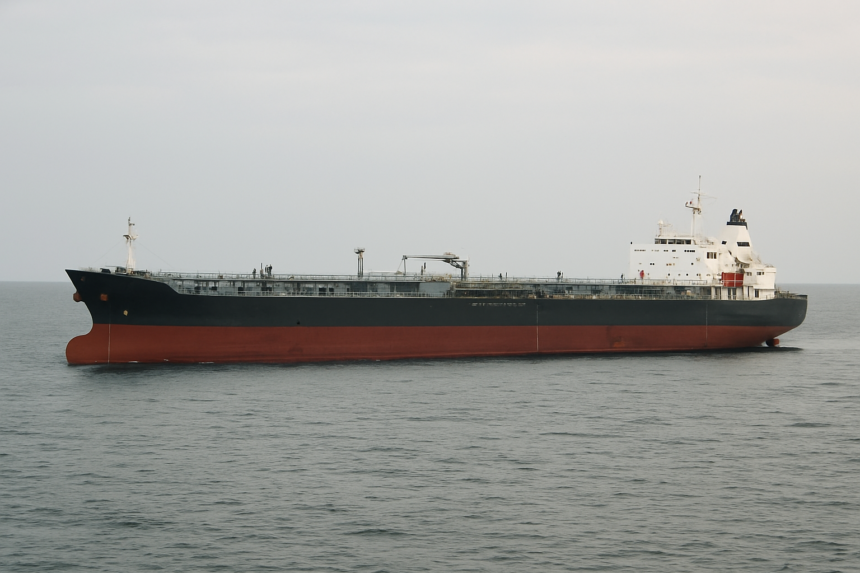
The maritime landscape has intensified around the Strait of Hormuz, with a recent report indicating that 728 tankers are currently active in the Arabian Gulf. This surge in maritime traffic coincides with escalating geopolitical tensions in the region.
Current Fleet Overview
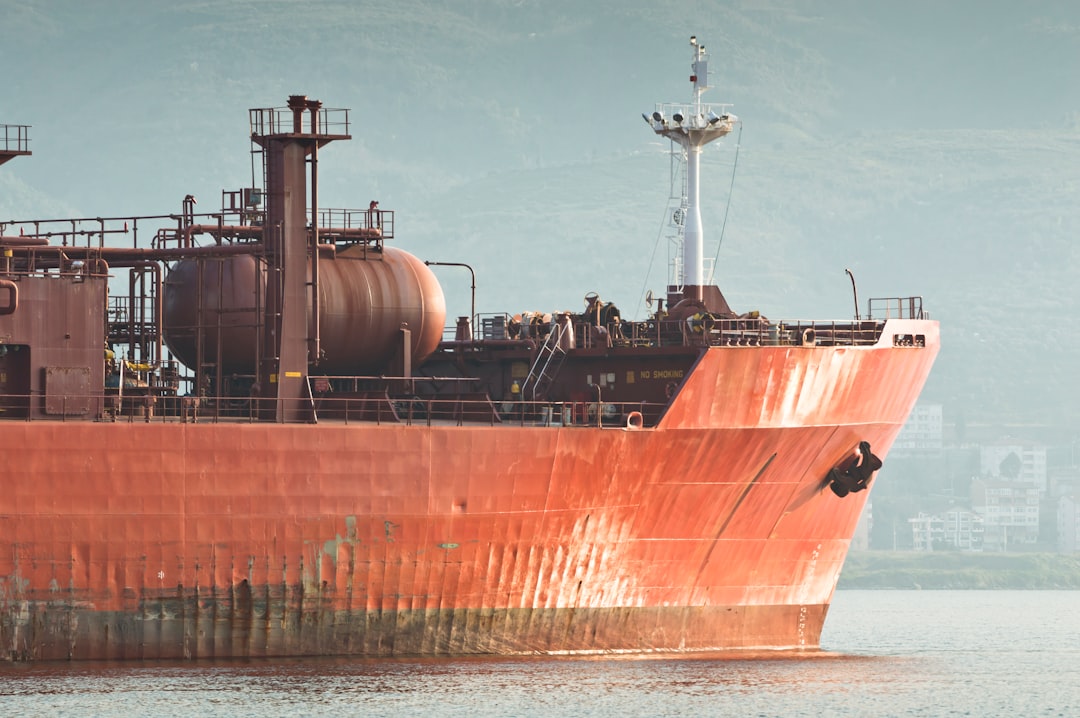
According to XSMarine’s live fleet tracker, a total of 728 tankers have been recorded in the Arabian Gulf, with crude tankers accounting for 179 vessels, representing 24.6% of the total fleet. Among the crude segment, Very Large Crude Carriers (VLCCs) stand out, comprising 123 vessels, which makes up 68.7% of crude tanker activities in the region. Comparatively, Suezmax vessels number at 34 (19.0%), and Aframax/LR2 vessels count at 18 (10.1%).

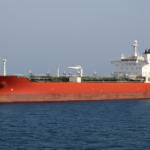
A closer look reveals that 381 of these vessels, nearly 52.3%, are currently at anchorage, while 234 vessels are actively at sea, and 59 are at berth. Notably, 246 vessels, approximately 33.8%, are not transmitting AIS positions, with a higher incidence of AIS-inactive vessels (39.7%) found west of the Strait compared to the east (28.6%).
Ballast and Laden Vessel Dynamics
The dynamics of ballast and laden vessels also underscore the current operational climate. Across both sides of the Strait, ballast vessels outnumber laden vessels, totaling 394 and 334, respectively, resulting in a split of 54.1% to 45.9%. Particularly concerning is the disparity observed east of the Strait, where there are 226 ballast vessels versus only 159 laden ones, equating to a 58.7% to 41.3% split.
The varying availability of vessels has further implications for the market. The count of VLCC ballasters in the Arabian Gulf was reported at 115 for the week ending July 15, 2026, marking a slight decline of 1% week-on-week. This figure contrasts sharply with the phenomenon early in the year when the count peaked at nearly 140 due to heightened conflicts in the region.
Market Implications
The recent uptick in available spot and relet vessels since June 2025 has shown diverging trends across vessel classes. While Aframax availability saw peaks and troughs, Suezmax vessels remained relatively scarce until a recent increase to around 20 vessels was recorded in July 2026. The VLCC segment’s availability has experienced a remarkable rise, climbing from fewer than two vessels in November 2025 to more than 36 in early July 2026.
The Operational Read
The significant increase in tanker presence around the Strait of Hormuz reflects both operational readiness and potential risk factors associated with geopolitical tensions. For operators navigating these waters, the high number of anchorage vessels suggests delays and heightened demurrage risks. Furthermore, vessel availability fluctuations complicate chartering arrangements, prompting operators to reassess routes and operational strategies. Continuous monitoring of AIS activity will be crucial, as the underreporting of vessel positions could indicate rising threats or vulnerabilities in this critical chokepoint.