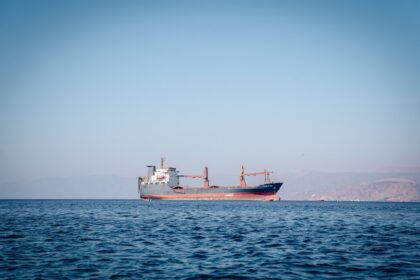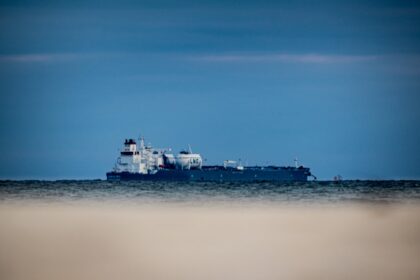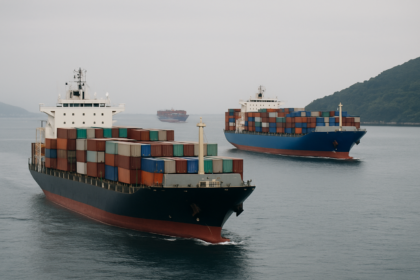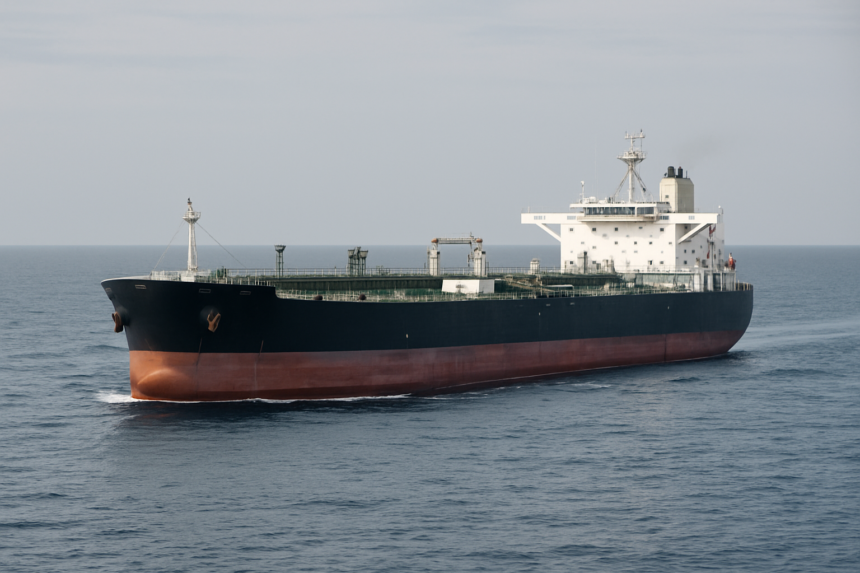
The United States has escalated its military actions in the region, completing a fresh round of strikes against Iranian military assets on Monday evening. These efforts were aimed at degrading Iran’s capabilities to threaten commercial vessels traversing the Strait of Hormuz, a vital maritime corridor that handles a significant share of the world’s oil traffic.
Crisis in Maritime Operations
The recent U.S. Central Command (Centcom) strikes specifically targeted Iranian military command centers, missile and drone launch sites, and air defense systems. A Centcom statement confirmed that U.S. forces facilitated the safe passage of approximately 900 commercial vessels and 450 million barrels of crude oil through the strait since early May, underscoring the U.S. commitment to ensuring navigation rights in the face of growing hostilities.
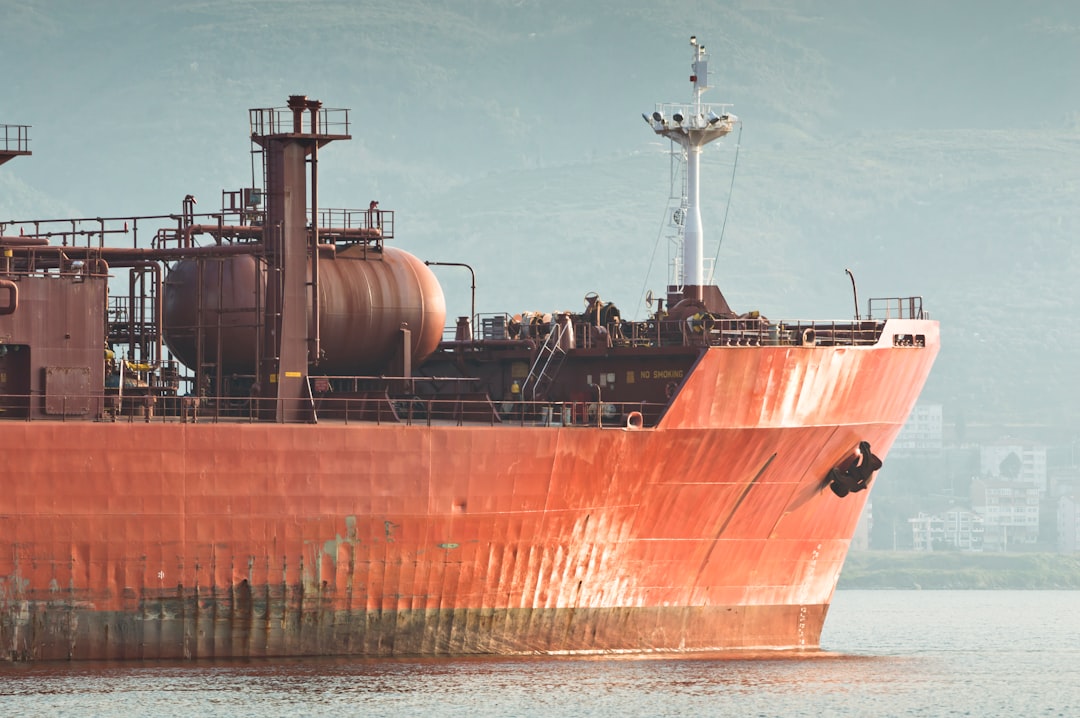
Conversely, Iran’s response included a direct attack on a tanker within the Strait of Hormuz, forcing the crew to abandon the vessel, thus raising alarms over Iran’s tightened control of the waterway. Additionally, the Iranian military conducted assaults on Kuwait’s critical infrastructure, including power generation and water desalination plants, exacerbating regional tensions.

Houthi Threats and Regional Implications
Adding another layer to this complex situation, the Iran-backed Houthi militants in Yemen declared a maritime embargo against Saudi Arabia on Monday. This action threatens to close the Bab el-Mandeb Strait, a crucial chokepoint connecting the Red Sea to the Gulf of Aden, potentially impacting global shipping routes and oil supply stability. The Houthi statement, which accused Saudi Arabia of launching an aggressive siege against them, has drawn threats of retaliation from the Saudi-led coalition in Yemen.
Amid these escalating threats, reports of ongoing diplomatic efforts have surfaced, with mediators reportedly proposing a 10-day ceasefire aimed at de-escalating hostilities between the U.S. and Iran. However, market analysts from ING suggest that significant divisions persist between the two parties, indicating that achieving lasting peace may be challenging.
The Operational Read
The increasing tensions in the Strait of Hormuz highlight the precarious balance of maritime security in the region. For shipping operators, the current environment raises concerns regarding safety, operational costs, and potential disruptions to supply chains. Companies may need to evaluate security protocols and possibly reroute vessels to mitigate risks associated with Houthi actions and Iranian aggressions. Monitoring developments related to ceasefire negotiations will be crucial, as any shifts could drastically alter operational practices in an area that remains vital for global oil transit.