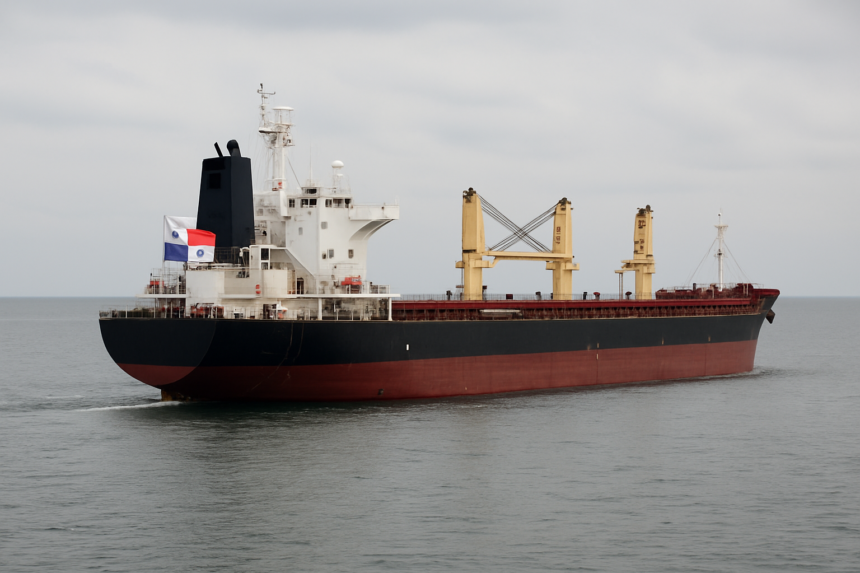
A renewed warning from the U.S. Federal Maritime Commission (FMC) regarding China’s detention of Panama-flagged vessels has escalated scrutiny of Chinese-controlled shipping operations within U.S. jurisdictions.
Laura DiBella, the FMC commissioner, articulated concerns about ongoing port state control inspections carried out by Chinese authorities, which she characterized as having no signs of abatement. The inspections are perceived as retaliatory from China, targeting foreign vessels amidst rising geopolitical tensions.
The Context
Panama-flagged vessels are significant in international trade, often used by various shipping companies to optimize operational flexibility and regulatory compliance. A heavy reliance on these ships by Chinese carriers highlights the potential impact of U.S. actions aimed at addressing what the FMC describes as retaliatory practices.


The FMC has emphasized the need for transparency and fairness in maritime operations, and the situation raises the stakes for shipping operators who may face disruptions if U.S. regulatory actions materialize. The potential ramifications could be far-reaching, affecting vessel wait times, operational planning, and compliance burdens.
Future Developments
Chinese carriers must navigate a complex regulatory landscape, balancing their operational strategies while managing international scrutiny. As tensions evolve, the FMC is expected to monitor the actions of Chinese authorities closely and may take steps to protect U.S. interests in maritime trade.
The Operational Read
For shipping operators, the implications of these detentions reverberate beyond immediate compliance issues. Panama-flagged ships are often pivotal in maintaining fleet flexibility, and regulatory actions against Chinese operators could disrupt established supply chains. In the short term, operators might consider adjusting routes or bolstering compliance efforts to mitigate risks associated with potential sanctions or detentions. The broader market may also witness shifts in carrier alliances as stakeholders reassess their risk exposure related to geopolitical dynamics.