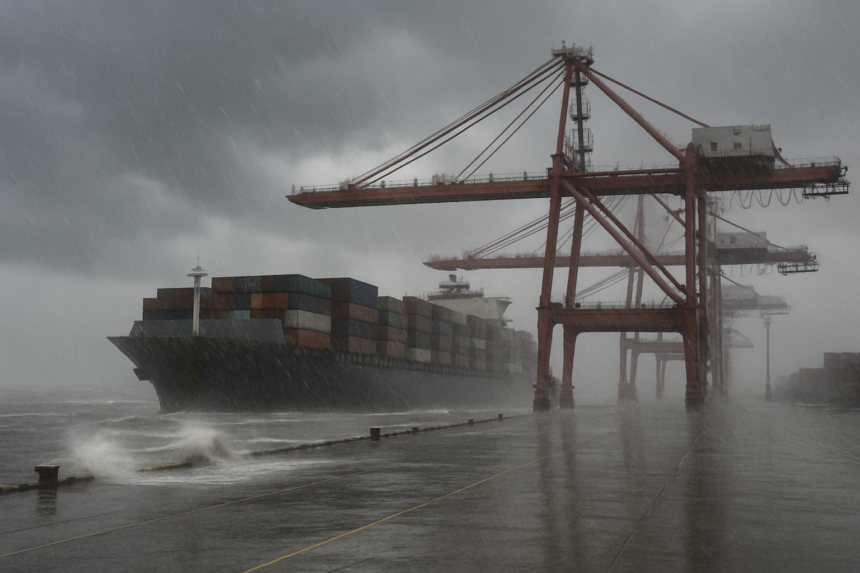
Super Typhoon Bavi is on a trajectory that poses a significant threat to operations at several major Chinese ports and the broader Pacific shipping routes. The storm is expected to approach the Taiwan-China shipping corridor, with forecasts indicating wind gusts reaching up to 100 knots as early as Friday, July 10. This situation raises concerns over potential disruption to vessel routing, port operations, and commodity discharge schedules across the region.
The Nature and Impact of Bavi
According to the ECMWF model outputs shared via Windy, Bavi is classified as an extremely powerful typhoon system. As it nears the coast, the projected path threatens one of Asia’s busiest maritime areas, crucial for vessels transiting from the Pacific to the Taiwan Strait and East China Sea, as well as major Chinese ports. The typhoon’s formidable strength could severely hinder navigational safety and efficiency, prompting many vessels to alter their routes significantly.
Adjustments to Shipping Operations
Reports from sources including Signal and AXSMarine indicate that vessels are already taking precautions by changing their courses away from the storm’s anticipated path. If conditions deteriorate, it is likely that weather-related routing changes will become more widespread, affecting not only safety but also operational schedules across various shipping segments. Key metrics to assess in the upcoming days include deviations from planned routes, port closure announcements, and overall berth activity.


Commodity Flows at Risk
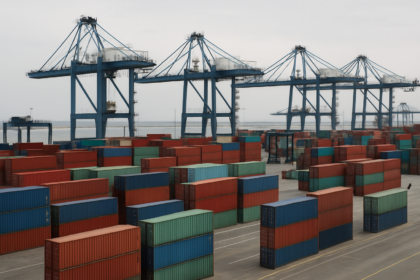
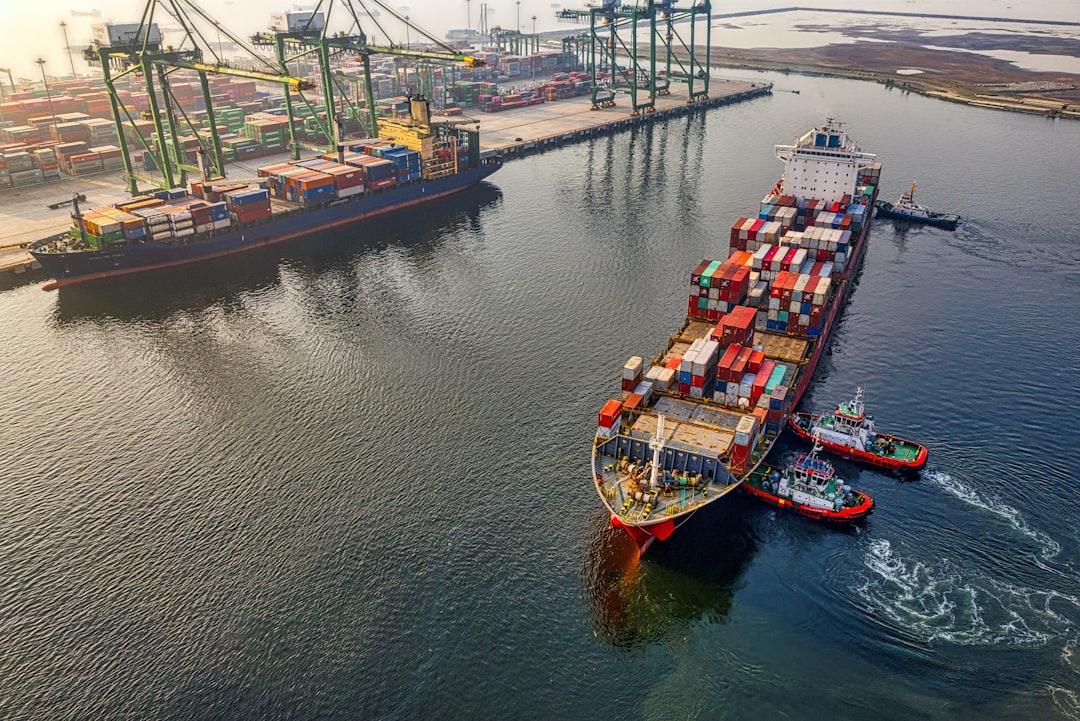
The implications of Super Typhoon Bavi extend beyond mere weather disturbances; various shipping segments stand to face disruptions. Container shipping operations may experience scheduling delays, particularly if port authorities are compelled to close ports or limit vessel movements for safety measures. Meanwhile, the dry bulk sector may contend with anchorage congestion and reduced terminal efficiency, as vessels could face delays in unloading due to weather constraints.
Notably, commodity flows expected to experience the most significant disruptions include iron ore, thermal coal, bauxite, soybeans, coking coal, and nickel ore. Current data from AXSMarine emphasizes that iron ore discharge volumes are set to increase from 12.5 million tons in week 28 to 16.7 million tons in week 29, accentuating the urgency for timely unloading schedules.
With the continuation of typhoon season, weather-related risks will remain pertinent, leading to ongoing concerns over port congestion and vessel supply disruptions. Monitoring the evolving conditions surrounding Typhoon Bavi will be critical for freight operators and charterers alike.
Behind the Headline
The operational landscape is intricately linked to weather events such as Super Typhoon Bavi, with the potential for major disruptions in port activities and commodity flows. For operators, the need for real-time data and flexibility in routing becomes paramount, particularly in a highly interconnected market. The upcoming days will require vigilant monitoring of vessel movements, port announcements, and congestion levels to mitigate the impacts of Bavi. Understanding these dynamics and preparing for potential aftershocks will be critical as the season progresses.