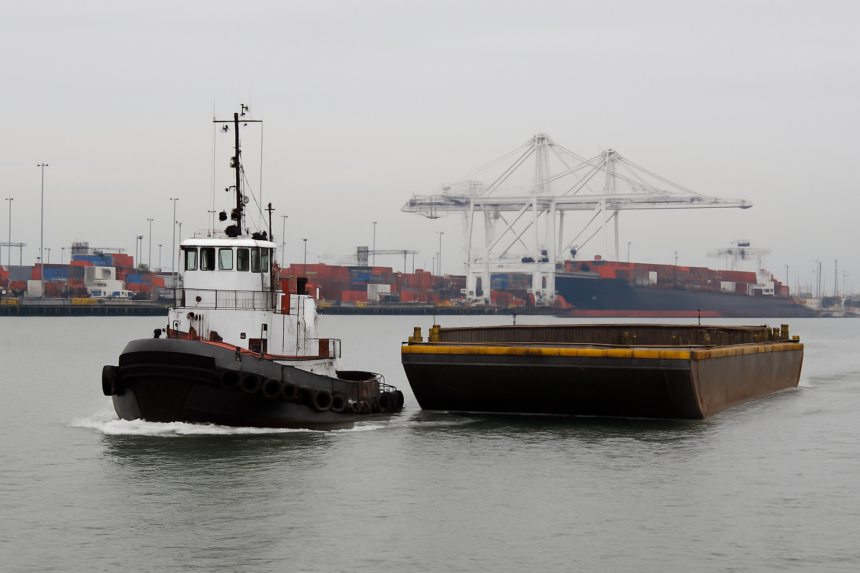
On May 28, 2026, the U.S. Coast Guard (USCG) apprehended eight stowaways aboard a barge in San Juan’s harbor, reflecting a disturbing trend in stowaway activity related to tug and tow operations to Puerto Rico. Unlike previous cases where stowaways typically embarked from foreign ports, this group originated from the continental United States, specifically from Florida.

The incident began on May 22 when Sector San Juan responded to a report from Customs and Border Protection’s Air and Marine Operations Center, indicating possible stowaways aboard the barge being towed by the U.S.-flagged tug Southern Dawn. The swift action of the Coast Guard emphasizes the vigilance required to monitor and control stowaway incidents within domestic maritime operations.
The Incident
Upon arrival in San Juan, the USCG conducted a thorough inspection of the tug and barge, leading to the discovery of the eight individuals attempting to enter Puerto Rico without permission. This development stands out because it showcases a change in the patterns of stowaways, now capitalizing on routes beginning within the United States rather than traveling from overseas.

Regulatory Implications
This interception comes amid increasing scrutiny on port security and immigration enforcement in U.S. waters. The evolving nature of stowaway attempts, particularly with vessels departing from domestic ports, raises questions regarding the adequacy of existing maritime security protocols. Port authorities may need to reassess and augment their security measures to prevent similar occurrences in the future.
Market and Operational Impact
For operators involved in tow and barge traffic, there is an urgent need to enhance monitoring processes and conduct crew training regarding stowaway identification and reporting procedures. The presence of stowaways introduces risks not only related to legal repercussions but also to vessel safety, operational delays, and potential financial repercussions through increased scrutiny and potential sanctions.
Behind the Headline
The apprehension of stowaways aboard a domestically flagged vessel underscores the complexities facing maritime operators today. With security concerns escalating, operators must be proactive in implementing thorough screening and monitoring protocols. The shift in stowaway behavior suggests that future incidents may continue to emerge from U.S. ports, necessitating a reevaluation of strategy among tugboat operators and port authorities alike. Enhanced collaboration between the Coast Guard and port stakeholders will be essential to address these evolving threats effectively.