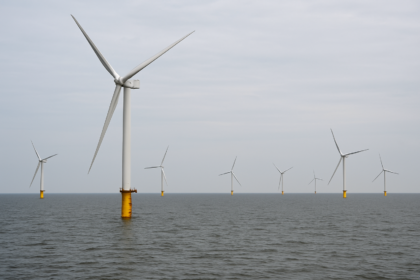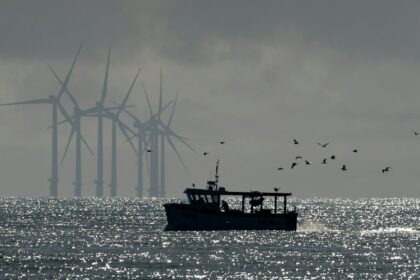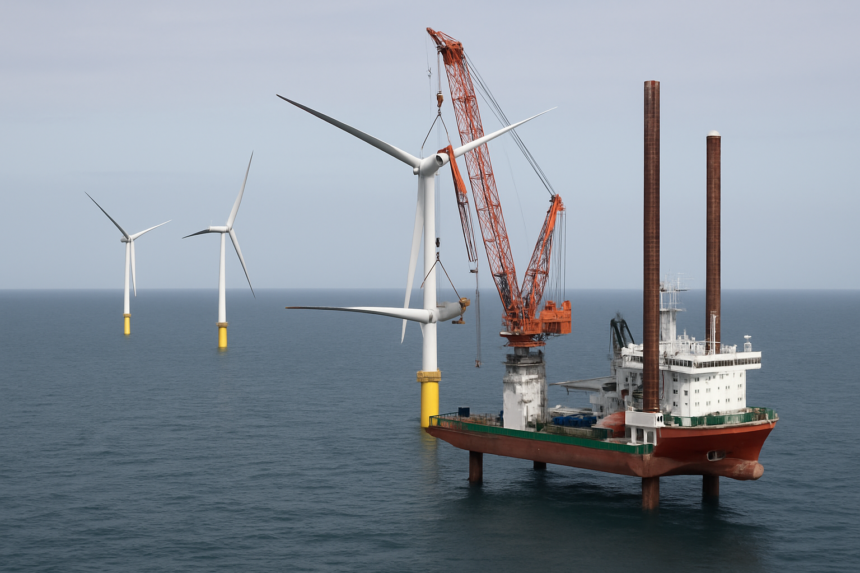
The BIMCO subcommittee is making significant strides in the development of the WINDSEACON contract, intended to standardize the time charter party for the transport and installation of offshore wind turbines. This initiative comes as the offshore wind sector experiences rapid growth amidst increasing demand for renewable energy.
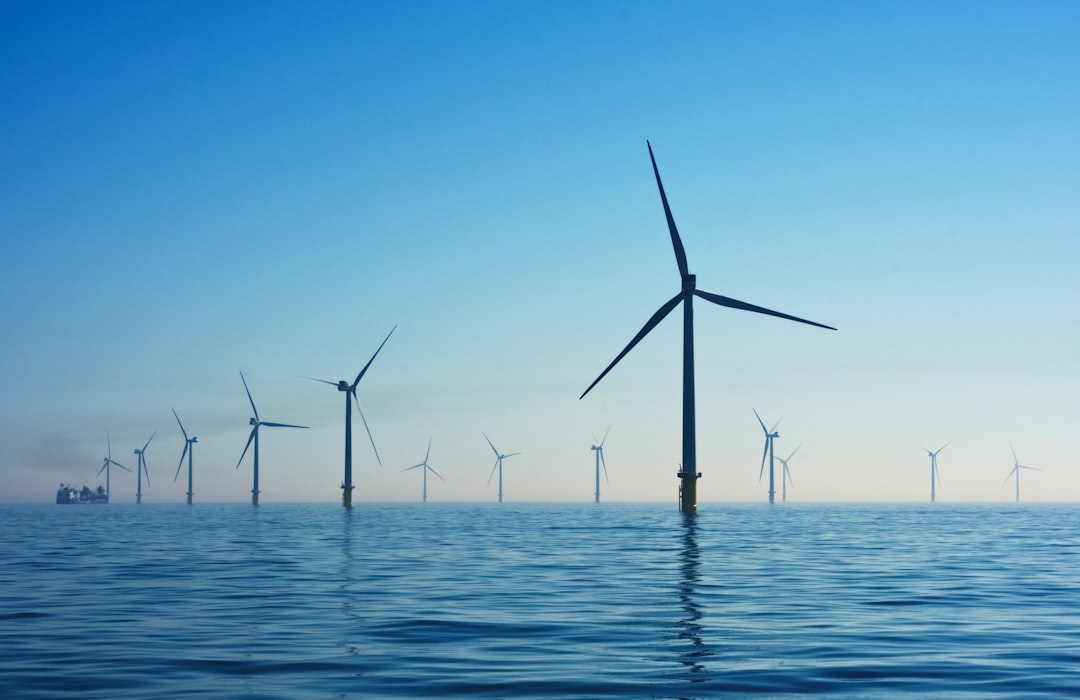
Project Background
WINDSEACON was initiated to establish a comprehensive and balanced contractual framework specifically designed for the offshore wind market. Historically, this sector has relied on a mixture of construction contracts and existing offshore charters, exposing it to unique operational risks. The subcommittee comprises a diverse group of stakeholders, including vessel owners, charterers, developers, manufacturers, and legal experts, ensuring that the resulting contract meets the needs of the entire value chain.
Stakeholder Engagement
A critical milestone was reached earlier this year with the release of the first draft of WINDSEACON for broader consultation. This draft allows participants across the industry to provide valuable feedback through BIMCO’s established sounding board process. The recent meeting of the subcommittee facilitated a comprehensive review of the feedback received, with discussions centering around maintaining clarity, flexibility, and balance in the contract. Such an approach is vital for effectively addressing the operational and commercial challenges associated with offshore wind projects.

Next Steps for Finalization
Following the current consultation phase, the subcommittee will integrate the collected feedback to further refine the contract. Their goal is to finalize the WINDSEACON charter party for adoption and publication, ultimately providing the offshore wind sector with a tailored solution that enhances operational efficiency and contractual clarity.
Behind the Headline
The development of the WINDSEACON contract represents a pivotal moment for the offshore wind industry, where operational complexity necessitates tailored contractual solutions. As stakeholders work collaboratively, the implementation of a standardized contract will significantly streamline processes and reduce risks associated with turbine transport and installation. For operators, this brings the prospect of improved consistency in contractual obligations and potential reductions in disputes. The focus on incorporating feedback from a broad array of industry experts is particularly noteworthy, reflecting a commitment to creating a balanced framework that considers all involved parties. Moving forward, attention will be on how effectively the final contract can adapt to the evolving landscape of renewable energy projects.