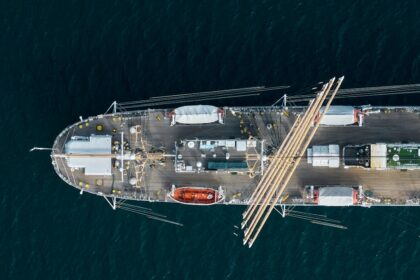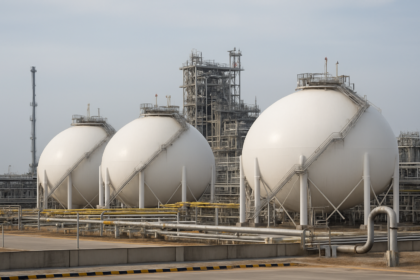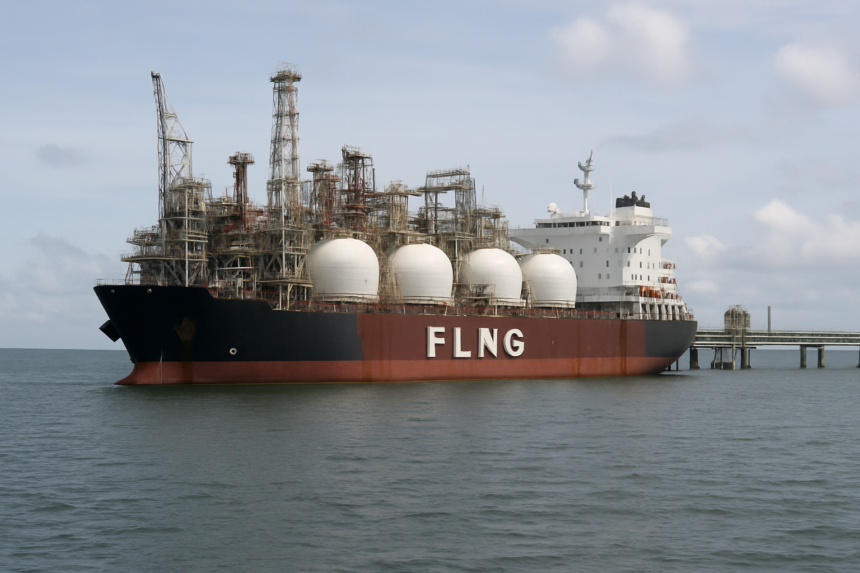
Poland is advancing plans for a second floating LNG import terminal at Gdansk, a significant step in reinforcing the country’s energy infrastructure. This new terminal will be located alongside the first Gdansk FSRU project, aiming to enhance Poland’s energy security and supply diversification.
Strategic Energy Infrastructure
The proposed floating LNG terminal underscores Poland’s commitment to a robust energy strategy amid evolving market conditions in Europe. As the continent grapples with fluctuating gas demand and heightened energy security concerns, the development of additional LNG infrastructure is deemed crucial. This facility is expected to further integrate Poland into the broader European gas market, facilitating the importation of liquefied natural gas from various global sources.
Market Implications
The expansion of LNG infrastructure aligns with Europe’s shift towards reducing dependence on traditional gas supplies. The initiative also highlights Poland’s objective to position itself as a strategic hub for LNG distribution in Central and Eastern Europe. Analysts suggest that reinforcing the LNG supply chain could lead to more competitive pricing structures and enhanced energy security for the region.


Future Developments
As Poland moves forward with the second FSRU project, stakeholders in the energy market will closely monitor project timelines and construction schedules. The anticipated benefits include greater resilience against supply disruptions and better compliance with environmental regulations, considering the growing emphasis on cleaner energy sources.
Behind the Headline
The ongoing development of floating LNG terminals is particularly relevant in light of the changing dynamics within the European energy sector, especially regarding reliance on imported gas. For operators and stakeholders, this project signals a proactive approach to energy management that addresses both current needs and future uncertainties. As Poland expands its LNG capabilities, the implications for supply chain logistics, pricing, and competition in the wider market will be critical to observe.