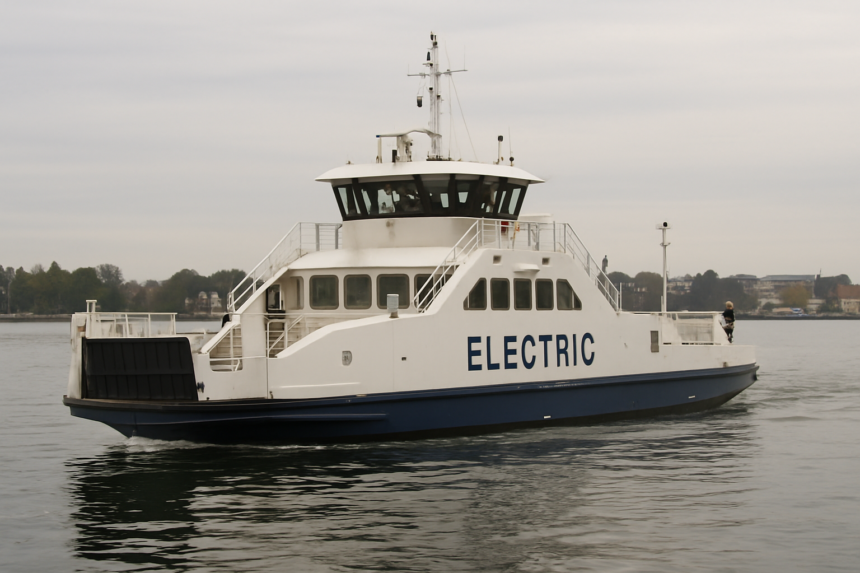
EV Maritime has been appointed to integrate electric propulsion systems for five new battery-electric fast ferries under a contract with Australian shipbuilder Echo Marine Group. This fleet, which will operate for the Public Transport Authority of Western Australia (PTA), is part of the METRONET on Swan Ferry Service Expansion, a significant move to upscale Perth’s public transportation infrastructure.
The Project Scope
The project involves constructing five 24-meter high-speed vessels at a cost of A$66 million, a notable expansion of the ferry network in Western Australia. Echo Marine Group, awarded the contract, will rely on the naval architecture expertise of One2three Naval Architects, while EV Maritime focuses on electrical systems integration and engineering key mechanical systems. This initiative represents a strategic shift towards electric marine transport solutions, showcasing a commitment to sustainable public transit.
Technological Innovation and Design
The new fleet will be Western Australia’s inaugural fully electric ferries, marking a turning point in local transport operations. EV Maritime’s business model aims to de-risk procurement for governments and operators by developing standardized technology platforms for high-performance electric vessels. The ferries will draw from the performance credentials of the EVM200 platform while incorporating custom design features tailored to meet PTA’s specifications, highlighting EV Maritime’s engineering capabilities.

In contrast to the Auckland Transport’s EVM200 ferries, which cater to a standardized platform design and are known for their speed and capacity (each capable of carrying up to 200 passengers), the Perth project will deviate from standardization to meet specific client requirements, thereby enhancing the operational versatility in the Australian marine sector.
The Operational Read
The commitment to introduce electric fast ferries into the Perth network not only underscores the shift towards sustainable transportation but also presents operational efficiencies for local operators. The integration of electric propulsion systems can yield significant reductions in operating costs and emissions, aligning with global moves toward decarbonization. As this fleet enters service, it may set a precedent for future maritime projects in Australia and beyond, signalling opportunities for innovative vessel designs and advanced electric systems integration. Stakeholders will closely monitor the operational performance of these new ferries, particularly their impact on passenger throughput and service reliability.