The International Maritime Organization (IMO) has called for immediate international action to secure the release of 44 seafarers currently held captive by Somali pirates. During the opening of the IMO Council’s 137th session in London, Secretary-General Arsenio Dominguez emphasized the severe humanitarian crisis the crew members face, highlighting their diminishing supplies of food and water aboard three hijacked vessels.
The Incident
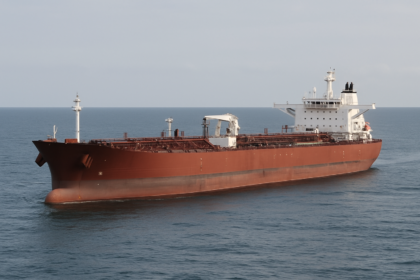
The seafarers are trapped on the MT Honour 25, Eureka, and Sward, which were seized during separate hijackings that occurred between April and May in the strategic shipping corridors off Somalia and in the Gulf of Aden. Dominguez’s urgent plea for assistance called attention to the ongoing threat posed by piracy and armed robbery, stating that these incidents remind the maritime community of the persistent dangers faced by crews operating in these regions.
The IMO has reported a troubling resurgence in piracy events, with 24 actual and attempted piracy and armed robbery incidents documented in the Red Sea and Gulf of Aden over the past three months. Dominguez noted that the attackers are increasingly employing more dangerous weaponry and displaying escalating violence toward merchant crews, which significantly raises the stakes for all operators in the area.

Recent Developments
This warning comes on the heels of an attack on a Palau-flagged bulk carrier, Lady Naeima, which occurred over the weekend in the Red Sea. Although the crew remained safe as the vessel continued on its course, the attack serves as a stark reminder of the deteriorating security situation. Dominguez underscored the importance of vigilance among flag States, shipowners, and operators to adhere to Best Management Practices (BMP) designed to mitigate piracy risks.
The IMO’s concerns are echoed by a recent advisory from the Joint Maritime Information Center, which noted that, despite the onset of the southwest monsoon reducing the operational range of pirate skiffs offshore, coastal waters remain conducive to opportunistic attacks. This is particularly true in areas known for small craft operations, highlighting the need for comprehensive risk assessments before transiting these waters.
The Global Context
As maritime security remains a priority, the IMO is actively working to combat piracy through initiatives such as the Djibouti Code of Conduct. This framework gathers participation from 22 nations in the Western Indian Ocean and Gulf of Aden, aiming to coordinate security operations and improve regional capabilities. Furthermore, Dominguez’s remarks extended beyond piracy; he acknowledged recent easing tensions in the Strait of Hormuz, while also recognizing the broader implications of maritime conflict on global trade, energy, and food security.
The Operational Read
The current situation underscores the heightened risks associated with maritime operations in high-risk areas. With a notable resurgence in piracy in the Red Sea and Gulf of Aden, shipping operators must exercise extreme caution and adhere strictly to BMP guidelines to safeguard crew and vessel integrity. The effectiveness of the Djibouti Code of Conduct and regional cooperation will be crucial in addressing piracy and ensuring the safe movement of vessels. Vigilance in risk assessment and security measures is paramount, as ongoing geopolitical tensions and the threat of aggressive piracy tactics represent significant challenges for the maritime industry.