On July 6, 2026, Indonesian President Prabowo Subianto and Singapore Prime Minister Lawrence Wong reaffirmed their nations’ commitment to keeping the Strait of Malacca open amidst renewed regional tensions that have raised concerns regarding navigation rights in critical waterways.
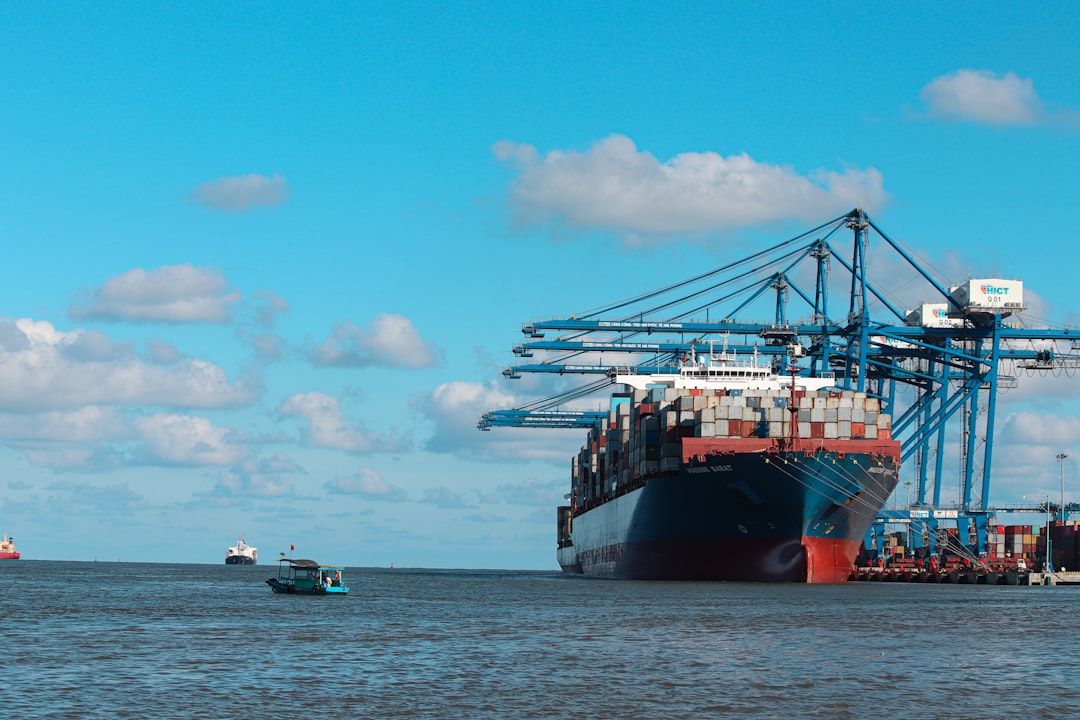
The leaders convened in Jakarta, where they discussed shared interests in maintaining security within the vital strait and addressing issues such as accidents and piracy, underscoring the importance of this region, which serves as one of the world’s busiest shipping lanes.
Geopolitical Context
The Strait of Malacca, bordered by Indonesia, Singapore, and Malaysia, connects the Indian Ocean with the South China Sea and is a crucial artery for global trade, facilitating over 20% of the world’s seaborne commerce. These discussions arise as tensions in the Middle East have prompted questions about the governance of international waterways, particularly following proposals for transit fees in the Strait of Hormuz.


Wong emphasized the importance of collaboration with other littoral states, affirming that both nations will uphold the principles established under the United Nations Convention on the Law of the Sea. This reassurance comes at a critical juncture for shipping operators reliant on the uninterrupted flow of maritime traffic through the strait, with implications for global supply chains, particularly those linked to East Asia’s manufacturing sectors.
Indonesia’s Position on Navigation Issues
Discussions earlier this year within Indonesia’s political landscape regarding imposing transit fees on vessels traversing the Strait of Malacca had sparked significant concern. Finance Minister Purbaya Yudhi Sadewa’s comments on potential charges were quickly mitigated by Foreign Minister Sugiono, who reaffirmed the country’s longstanding commitment to freedom of navigation in these waters.
This backdrop highlights the delicate balance that Indonesia and Singapore must maintain while engaging in deeper dialogue with global stakeholders, ensuring that their maritime strategies align with international norms and the economic realities faced by shipping operators. As such, the reaffirmation of free passage is not only critical for the immediate security of the strait but also for maintaining broader geopolitical stability in the region.
The Operational Read
The commitment from Indonesia and Singapore to safeguard the Strait of Malacca preserves an essential corridor for international shipping and trade flows. For operators and shipping companies, this statement reduces the risk of unexpected charges or restrictions on passage, maintaining operational predictability. The focus on cooperation among littoral states signals a collective approach to navigational security, vital for sustaining trust among shipping lines reliant on this gateway. As geopolitical tensions evolve, attention will shift to how well these nations can foster continued openness while potentially addressing emerging security concerns in the region.