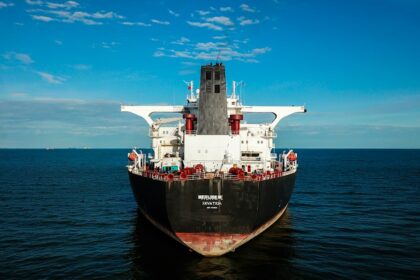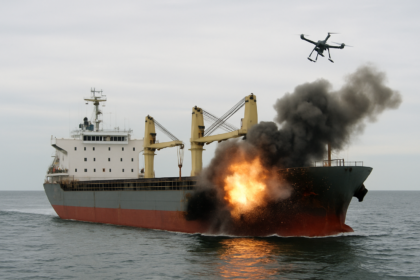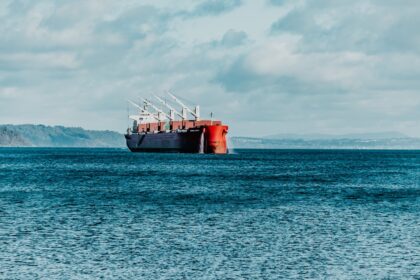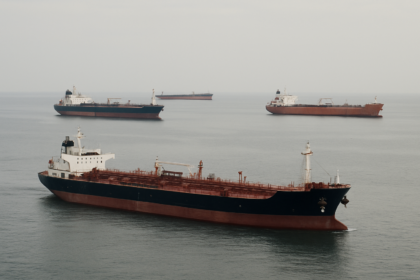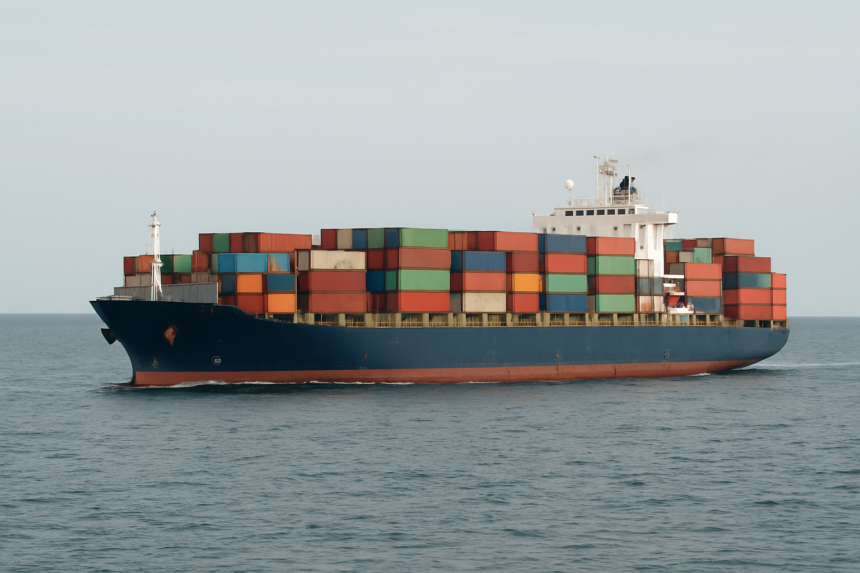
The maritime sector has reported a remarkable recovery in the first half of 2026, as evidenced by the ClarkSea Index, which surged by 61% year-on-year, now averaging $38,717 per day. This increase comes in the context of significant geopolitical tensions surrounding the critical Strait of Hormuz, where a 95% drop in maritime transits has caused considerable operational stress in the shipping industry.
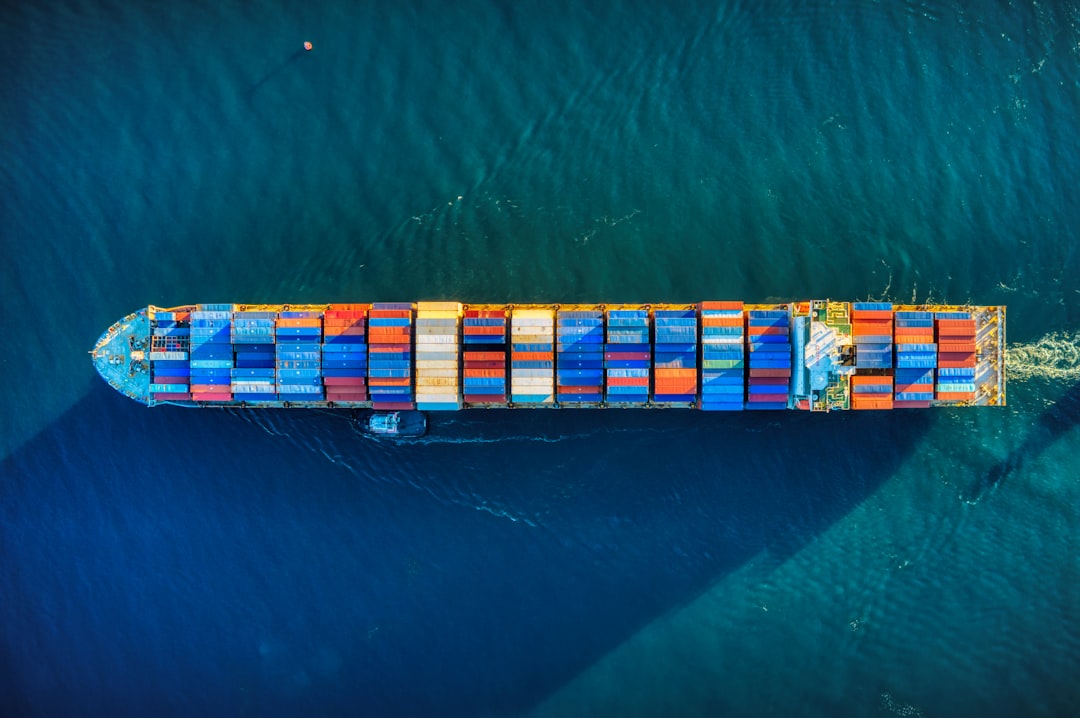
The Geopolitical Landscape
The closure of the Strait has been a focal point of maritime disruptions, accounting for around 20% of global oil supply. While this reduction has significantly impacted cargo volumes across various sectors, including oil, gas, chemicals, and fertilizers, alternate energy exports from regions such as the United States have mitigated some of the effects. According to recent statements from Clarksons Research, factors such as longer-haul voyages and repositioning efficiencies have resulted in a net positive effect on the overall shipping market’s balance sheet.
Despite the challenges, there has seen a rebound in traffic through the Strait post the U.S.-Iran deal in late June, albeit remaining below typical levels. The complexity of scenarios ahead indicates potential implications not only for the energy market but also for broader economic conditions globally.

Market Dynamics and New Developments
The first half of 2026 also saw 150 VLCCs ordered, indicating a robust response from operators amidst ongoing demand pressures. Shipyard output increased by 14% year-on-year, with notable growth in Chinese shipbuilding capacity. In addition, day rates for tankers reached unprecedented levels, averaging $82,000/day, a consequence of both strong OPEC volumes and reduced fleet growth amid the geopolitical backdrop.
LPG carrier performance was particularly noteworthy, with Very Large Gas Carriers (VLGCs) peaking close to $200,000/day and averaging around $100,000/day during this period. These figures are reflective of the upside from market disruptions that were amplified by the ongoing Middle Eastern conflicts.
Long-Term Considerations
Looking toward the future, shippers must contend with evolving dynamics, including ongoing Russian energy trade patterns, the implications of a sanctioned fleet comprising approximately 24% of tanker capacity, and fluctuating dry bulk volumes from regions like Guinea. Additionally, developments in the Chinese economy and regulatory uncertainties with respect to the green transition present further challenges that need proactive management.
Behind the Headline
The substantial rise in the ClarkSea Index underscores the shipping industry’s adaptive capacity in the face of significant geopolitical challenges, particularly in the Strait of Hormuz. As operators navigate the complexities arising from reduced transits and alternative energy sourcing, attention will also be needed on the potential impacts of ongoing geopolitical tensions on energy security. Future scenarios could see evolving demand patterns, requiring a strategic approach to fleet management and operations. Operators who can effectively respond to these dynamics will be best positioned in the marketplace.