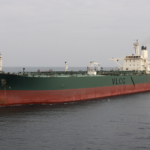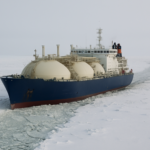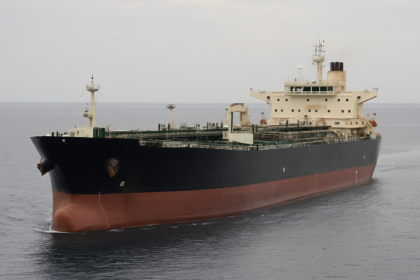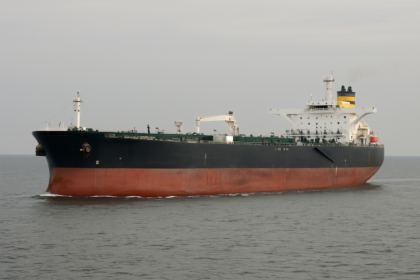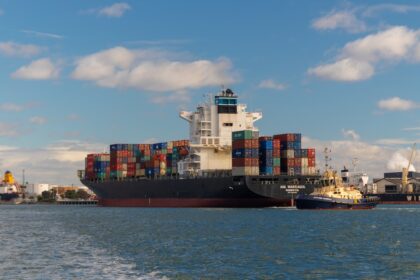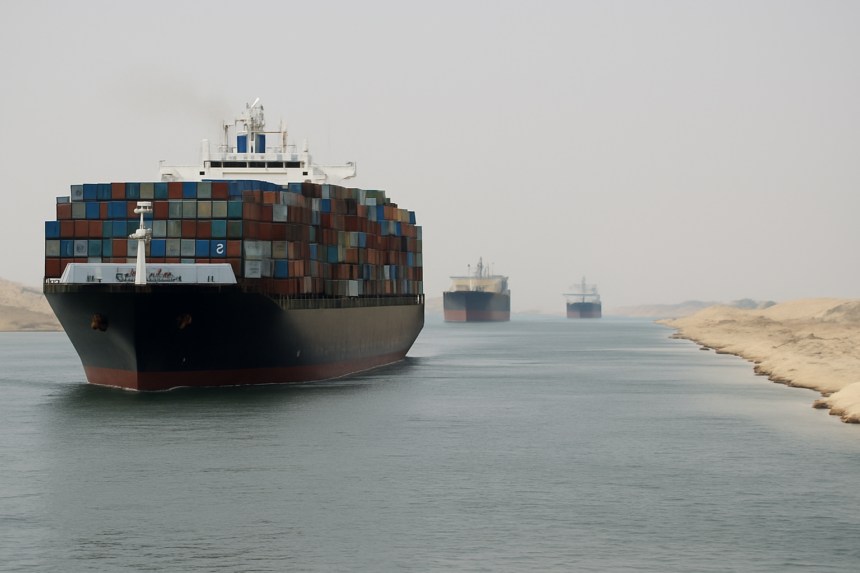
The Suez Canal Authority (SCA) has announced plans to raise transit surcharges for most vessel classes effective July 15. This change is aimed at tankers, gas carriers, bulkers, and containerships navigating the internationally significant waterway. The announcement, delivered through a series of navigation circulars, marks a significant shift that will alter cost structures for operators utilizing this critical maritime route.
Details of the Increase
The additional surcharges come on top of the standard transit dues already levied by the SCA. While the precise percentage increase has not been disclosed, the hike is expected to significantly impact shipping costs, putting pressure on operators who depend on the Suez Canal for efficient transit between Europe and Asia. The decision reflects a response to current market conditions and economic factors influencing transit pricing.
Implications for Global Shipping
The increase in transit charges is likely to affect shipping logistics, compelling operators to reassess their routing strategies and operational budgets. As the canal remains one of the busiest maritime routes globally, any changes to its cost structure can ripple through the entire supply chain. Increased fees may prompt shipping lines to explore alternative routes or modify their schedules to mitigate the impact of the rising costs.


Operator Considerations
In light of these developments, shipping operators should account for increased transit costs in their financial forecasts and charter negotiations. With fluctuating fees, operators may experience higher charter party costs, which could influence bidding strategies and operational decisions. The added financial burden could compel fleet operators to seek more optimized vessel deployments or adjust service frequencies to maintain profitability.
Behind the Headline
The SCA’s decision to raise transit surcharges indicates the evolving economic pressures faced by maritime logistics. For vessel operators, the increased costs may necessitate rerouting or renegotiating contracts to accommodate higher expenses. Monitoring the freight market sentiment will be crucial in assessing how these changes influence competition among shipping lines and overall delivery timelines. As operators navigate heightened costs, vigilance on pricing strategies and operational efficiency will define success in the coming months.