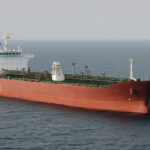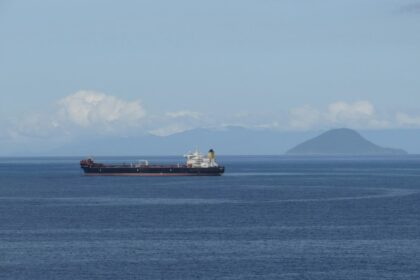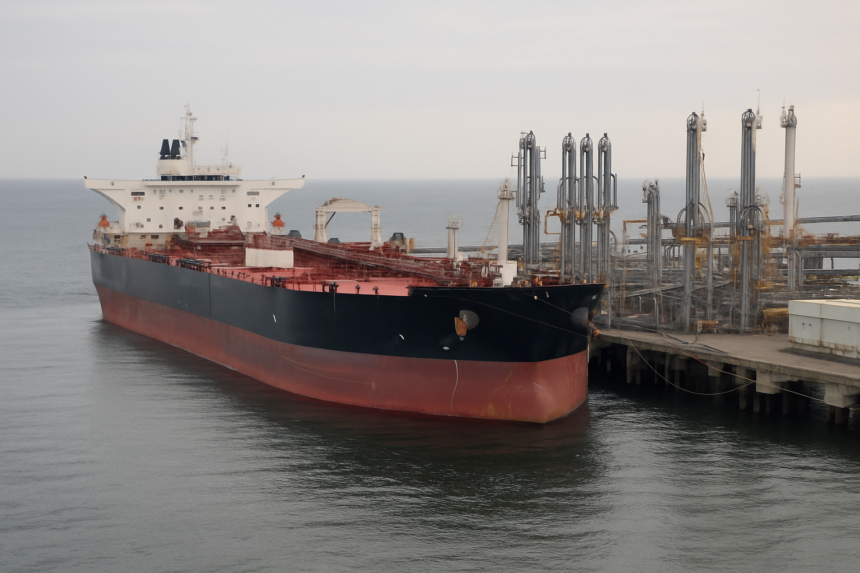
Venezuelan crude oil exports have experienced a notable resurgence in early 2026, following a change in government and the easing of previously imposed sanctions. This relief has resulted in a significant rebound for a sector that had seen export volumes stagnate close to zero from 2022 to 2025. A U.S.-led blockade had restricted sanctioned tankers involved in Venezuelan crude exports, but recent developments have allowed for the clearance of previously accumulated stocks.

The Geopolitical Context
The shift in the Venezuelan government has led to renewed legitimacy in trade licensing, revitalizing operations for major traders. The U.S. Gulf Coast refiners, adept at processing heavy sour crude, have turned to Venezuela as a reliable supply source, especially with Iranian exports facing ongoing constraints due to sanctions and the volatility surrounding the Strait of Hormuz. As a consequence, the U.S. has reclaimed its position as the primary destination for Venezuelan crude, replacing China, which had dominated during the sanctions period.
Moving forward, Venezuelan-owned vessels make up a relatively small portion of the global dark fleet, which consists of 831 tracked tankers. Currently, they account for only 20, indicative of a trend toward compliant transport channels rather than reliance on shadow operations.


Impact on Dry Bulk Shipping
Despite geopolitical tensions impacting the Strait of Hormuz and creating broader market uncertainty, the dry bulk shipping sector is experiencing unexpected benefits. Dry bulk freight rates have soared, achieving levels not witnessed during this time of the year in recent history, сontrary to traditional patterns.
The rise in fuel costs, attributed to ongoing global disruptions, has compelled shipowners to implement slow steaming strategies, thereby reducing available tonnage. Capesize vessels have been particularly noteworthy, with current freight rates exceeding 40,000 USD per day. Increased demands for commodities such as iron ore and bauxite from China have driven this surge, with Q1 imports of these materials increasing by 10% and 28%, respectively.
The growing reliance on coal, propelled by high gas prices and energy security concerns, further pricks the demand for dry bulk shipping, creating a paradox where tight supply amidst heightened demand leads to inflated rates.
The price of Very Low Sulphur Fuel Oil (VLSFO) has significantly increased, doubling from 480 USD per ton to 800 USD per ton since the onset of the conflict in the Hormuz region. This escalation has made fuel the largest operational cost for vessel operators, prompting many to slow their shipping speeds. The current average sailing speed for the Capesize fleet is about 0.31 knots slower than pre-closure levels, representing a 2.7% reduction.
Behind the Headline
The operational realities underlying the resurgence of Venezuelan oil exports are deeply intertwined with global geopolitical dynamics and supply chain logistics. For shipping operators, the normalization of trade with Venezuela presents both opportunities and challenges, as vessel utilization remains strained. The continued adherence to in-market compliance will shape future operational decisions, while fluctuating oil prices and geopolitical tensions will likely remain prevalent issues. Monitoring developments in the Strait of Hormuz, and the response of operators to evolving market conditions, will remain critical for shippers navigating this complex landscape.