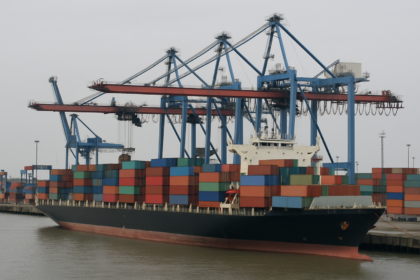
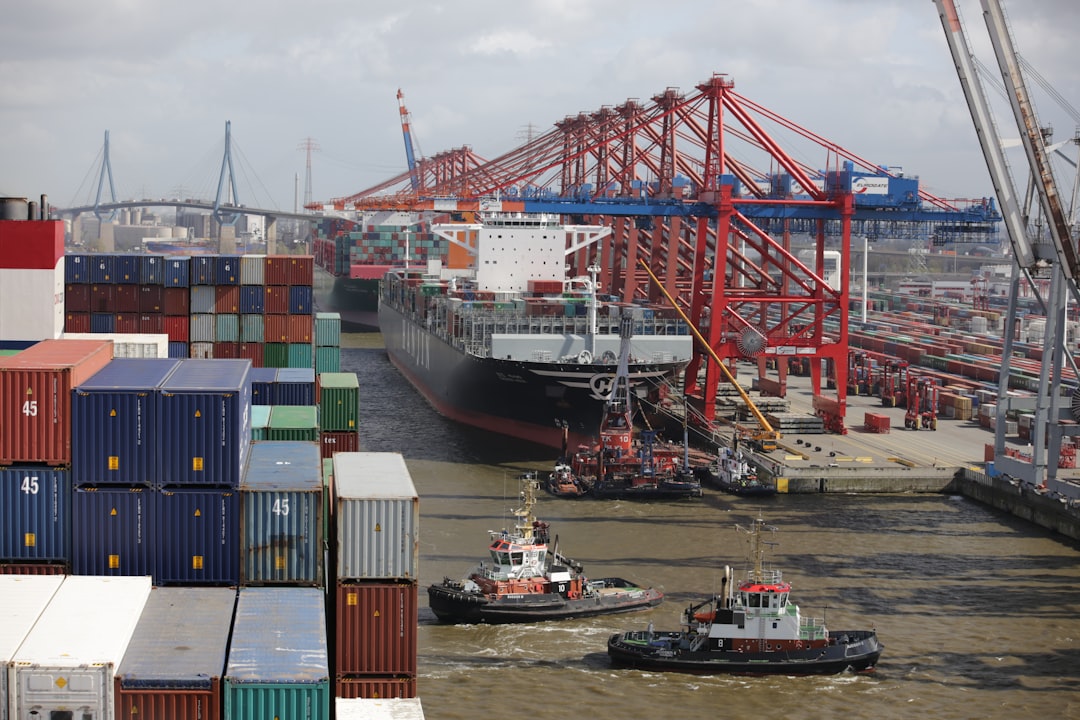
Spot container shipping rates from East Asia and China to the United States have witnessed an unprecedented surge, driven by importers accelerating shipments to avert upcoming tariffs. According to data from Freightos, rates to the West Coast rose by 8% this week, translating to $6,236 for a 40-foot equivalent unit (FEU), marking an increase of nearly three and a half times from a rate of $1,806/FEU recorded on 27 February.
The Market Dynamics
Judah Levine, head of research at Freightos, noted that an early onset of this year’s peak shipping season has been pivotal in inflating rates since May. Carriers are strategically shifting their capacity from secondary trade lanes to accommodate the burgeoning demand. Levine pointed out that transpacific East Coast rates have now surged $1,000/FEU above last year’s summer peak, with West Coast rates approaching the peak observed in 2025.
The surge in demand is attributed to shippers frontloading goods in anticipation of carrier fuel surcharges, manufacturer price hikes, and looming tariff deadlines. As a result, a significant volume of cargo might be pushed forward, leading to expectations of an early peak season unwinding around July. However, port congestion may prolong the strength of these volumes beyond the initial projections.

Carrier Responses
Drewry, a supply chain advisory firm, also reported a 10% increase in West Coast rates this week, nearly tripling from late February. The firm noted eight blank sailings planned for the transpacific route, underscoring the strain on capacity. Carriers have introduced numerous General Rate Increases (GRIs) and Peak Season Surcharges (PSS) in July, anticipating robust cargo volumes, with HMM set to implement a $3,000/FEU PSS effective 15 July.
Robert Khachatryan, CEO of Freight Right Logistics, observed that the rate volatility reflects a broader global trade environment influenced by tariff uncertainty, supply chain security, and selective bilateral negotiations. He indicated that carriers are testing the market’s upper limits with an additional GRI of $1,500/FEU slated for early July, inciting last-minute shipments as importers aim to sidestep increased costs.
With the demand surge compressing the typical multimonth peak season, many importers have moved to expedite orders, resulting in congested vessel capacity for goods destined for future sales cycles. Khachatryan warned that the market is nearing a critical turning point, predicting a potential drop in volumes by July as importers reach their capacity limits, with many maintaining three to four weeks of safety stock.
Behind the Headline
The current spike in transpacific container rates serves as a crucial indicator of the operational pressures facing stakeholders in the shipping industry. As shippers expedite orders in response to tariff concerns, the compression of typical shipping cycles may lead to a surge in inventory, subsequently straining logistics operations. This dynamic highlights the necessity for carriers and charterers to remain agile in adapting to rapidly changing demand. Industry participants should closely monitor incoming volumes and be prepared for potential market corrections in the coming months, as external factors continue to influence logistics strategies.