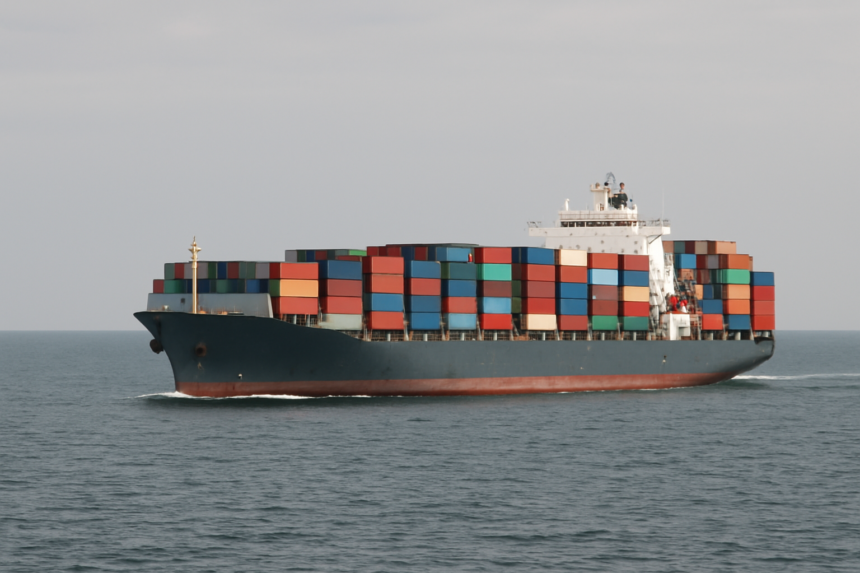
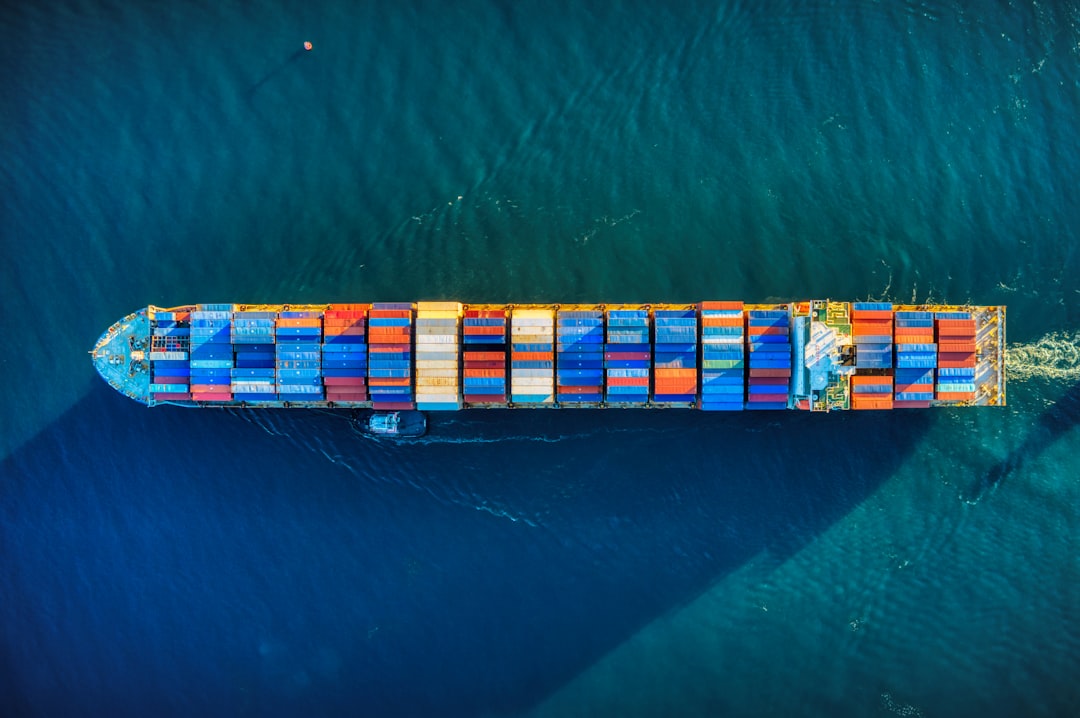
Container spot freight rates experienced a notable increase this week, reaching their highest levels since the pandemic-related peak of 2022. According to Drewry’s World Container Index, rates surged by 9% week on week, now pegged at $4,530 per 40ft container.
Market Drivers
The spike in freight rates is attributed to multiple factors, including tariff-driven cargo frontloading. As businesses expedite shipments to avoid potential future tariffs, demand for container space has intensified. This rush to move goods is now occurring alongside lingering disruptions stemming from geopolitical tensions in the Strait of Hormuz, which continue to impact global maritime operations.
Geopolitical Impacts
Disruptions in the Strait of Hormuz, a critical chokepoint for oil and gas shipments, are compounding challenges for operators. Channel congestion and increased security measures are creating delays that further hinder operational fluidity. As a result, the volatility in the container shipping market is expected to persist, with operators navigating these compounded pressures and recalibrating their logistics strategies.

Strategic Responses
In response to these fluctuations, shipping companies are reassessing their contract strategies and cargo routing options. Operators are urged to develop flexible plans to accommodate the rapid changes in spot rates while maintaining efficient supply chains. This requires keen market awareness and strategic foresight to mitigate risks associated with unexpected disruptions or rate increases.
Behind the Headline
The recent surge in container spot rates highlights the intricate relationship between global trade dynamics and geopolitical events. For operators, adjustments to freight rates often necessitate strategic adaptations in contracts and shipping routes. The ongoing unrest in critical maritime regions underlines the importance of real-time data and risk management in container shipping. Monitoring rate trends and geopolitical developments will be essential for stakeholders aiming to maintain competitiveness in this increasingly volatile market.