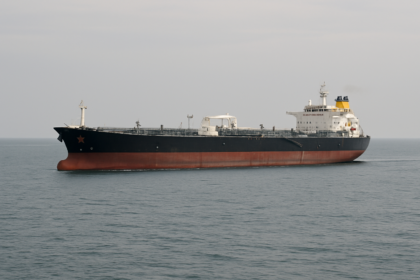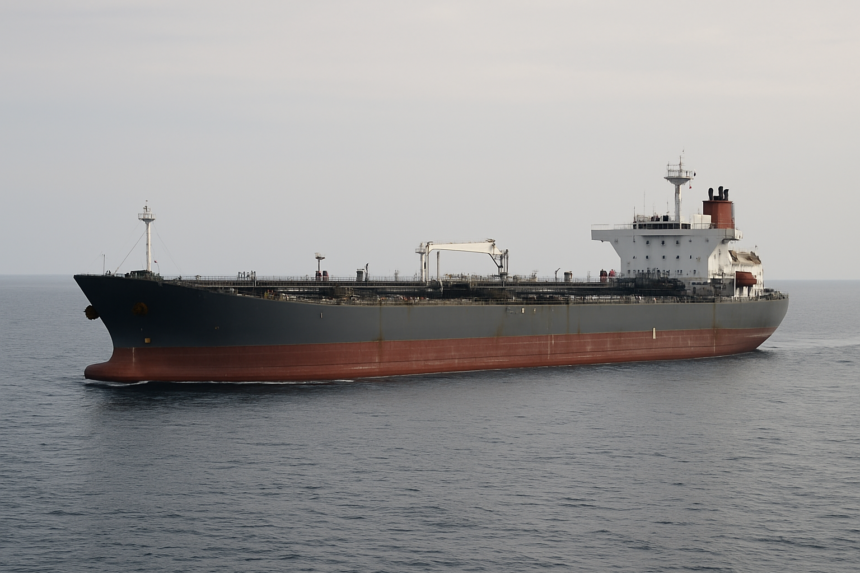
Efforts by the United States to enhance safety for commercial shipping in the Strait of Hormuz are ongoing, as discussions with Iranian representatives seek to stabilize the region. However, the situation remains volatile, with security described as ‘hour to hour’ by Chubb Ltd. Chief Executive Officer Evan Greenberg.

The Current Security Landscape
Greenberg emphasized the profound uncertainties posed by mines in the strait, which have been a significant concern for maritime insurers. Negotiations aimed at securing a permanent ceasefire and free passage through the waterway are ongoing in Switzerland. As US and Iranian discussions continue, maritime operations must navigate a ‘war-zone environment’ where only a narrow channel is available for commercial transits, constraining the flow of goods.
Commercial Traffic and Insurance Support
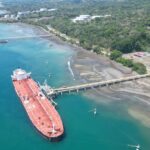
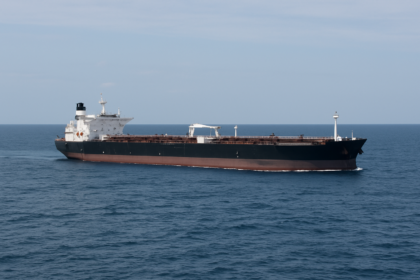
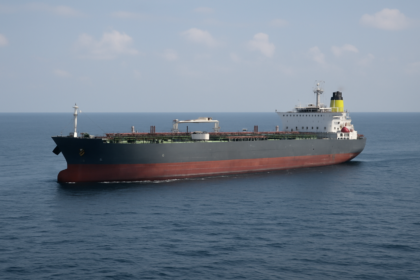
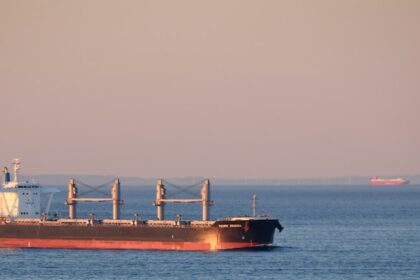
Recent reports from the US military’s Central Command indicate a notable increase in commercial shipping activity. On Saturday, over 55 merchant vessels transited the strait, carrying more than 17 million barrels of oil. This surge in activity underscores the resilience of maritime operations despite Iran’s assertions of closing the waterway.


In response to the risks associated with transiting the strait, Chubb Ltd. and Lloyd’s of London Ltd. have formed a $400 million marine war risk insurance consortium to cover potential threats faced by vessels operating in the region. Additionally, the US International Development Finance Corporation announced a $20 billion reinsurance initiative designed to reinforce the confidence of shipping operators amidst these challenges.
Military Guidance and Future Outlook
To enhance safety for commercial vessels, the US Navy has initiated operations that involve guiding ships through a carefully configured route along the Omani coast, effectively managing the risks while promoting a steady flow of oil and cargo. The implementation of these protective measures is critical as maritime stakeholders assess the evolving dynamics of the Strait of Hormuz.
The Operational Read
The evolving security conditions in the Strait of Hormuz emphasize the critical need for enhanced risk management strategies among operators and insurers. The reliance on a narrow transit channel indicates logistical constraints that could affect shipping schedules and increase laytime. As negotiations unfold, the ramifications of any agreements will directly impact trading routes and insurance premiums. Operators must remain vigilant, adapting their operational protocols to align with shifting geopolitical landscapes and potential occurrences of unrest in this vital global shipping lane.