Update 03 Aug 2026, 22:32 UTC:
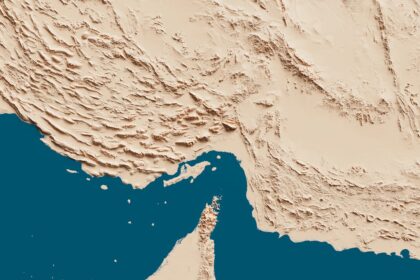
On July 31, the Bermuda-flagged LNG carrier GasLog Shanghai was struck by a likely Iranian projectile approximately 11 nautical miles northeast of Limah, Oman. This incident is the second confirmed attack on Qatari LNG shipments within a month, raising alarms about the safety of maritime operations in the strategic Strait of Hormuz.
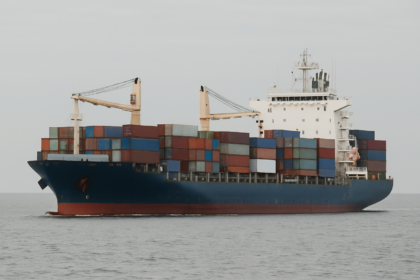
GasLog confirmed the attack, stating that the vessel sustained damage to its engine room but that all crew members were safe and the ship remained stable. The Iranian Revolutionary Guard Corps (IRGC) subsequently claimed responsibility for disabling two tankers attempting to navigate the southern route of the Strait under U.S. air escort, asserting that they also warned others to turn back.

The Broader Context
Recent developments indicate a concerning trend of increasing hostilities in maritime zones critical for global energy shipments. The IRGC’s reported strikes are symptomatic of broader geopolitical tensions involving Iran, particularly in the context of Qatari LNG shipments. Observers have noted that prior to the attack on GasLog Shanghai, a Liberia-flagged tanker designated as part of the ‘dark fleet’ was also targeted, illustrating the expanding operational risk environment.
In contrast, 22 Chinese-linked vessels successfully transited the Bab el-Mandeb and docked at Saudi ports without incident from July 20 to August 2, while the Houthis engaged in assaults on four Saudi tankers concurrently. This divergence highlights a tactical advantage for Chinese vessels, benefiting from differential access in a high-stakes region.
Regional Response
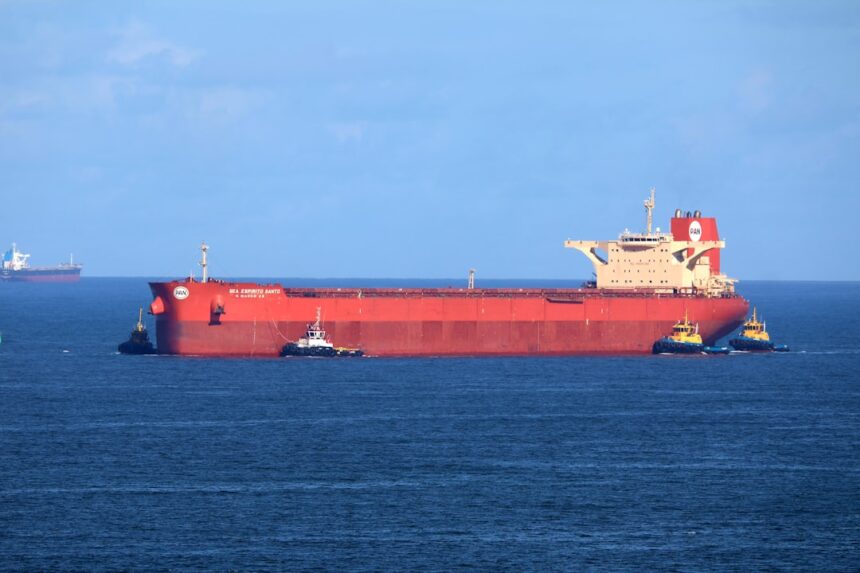
The situation has prompted Saudi Arabia to announce a 14-nation maritime coalition aimed at bolstering security in the Red Sea and the Strait of Hormuz. Additionally, six Saudi-flagged Very Large Crude Carriers (VLCCs) have begun diverting their routes around the Cape of Good Hope as a precautionary measure due to the heightened risks associated with navigating the Strait of Hormuz and surrounding waters.
The increase in maritime threats is compounded by fully dark operational conditions at Yanbu King Fahd port, which has been in effect since July 27. Furthermore, the drone strike on two LNG tankers at Damietta on July 29 appears to be linked to Iranian retaliatory actions, extending Iran’s military activities beyond its immediate region.
The Operational Read
The operational landscape for charterers and shipping operators in the region is facing unprecedented challenges. Increased military activity and geopolitical maneuvering are resulting in real-time operational adaptations, as seen with the rerouting of Saudi vessels and the selective engagement of Chinese-linked shipping through contested areas. Companies must consider enhanced risk mitigation strategies, including robust insurance options and contingency planning for potential disruptions. The situation warrants close observation, particularly the responses of the IRGC and the evolving maritime coalition led by Saudi Arabia. Operators in the maritime sector will need to remain agile, navigating both the physical dangers and the intricacies of international maritime law as tensions continue to shape the operational environment.