The anticipated reopening of the Strait of Hormuz is within 30 days, following the Islamabad Declaration aimed at establishing peace between the U.S. and Iran. This declaration is expected to significantly impact the maritime dynamics in one of the world’s most vital oil corridors.
The Incident
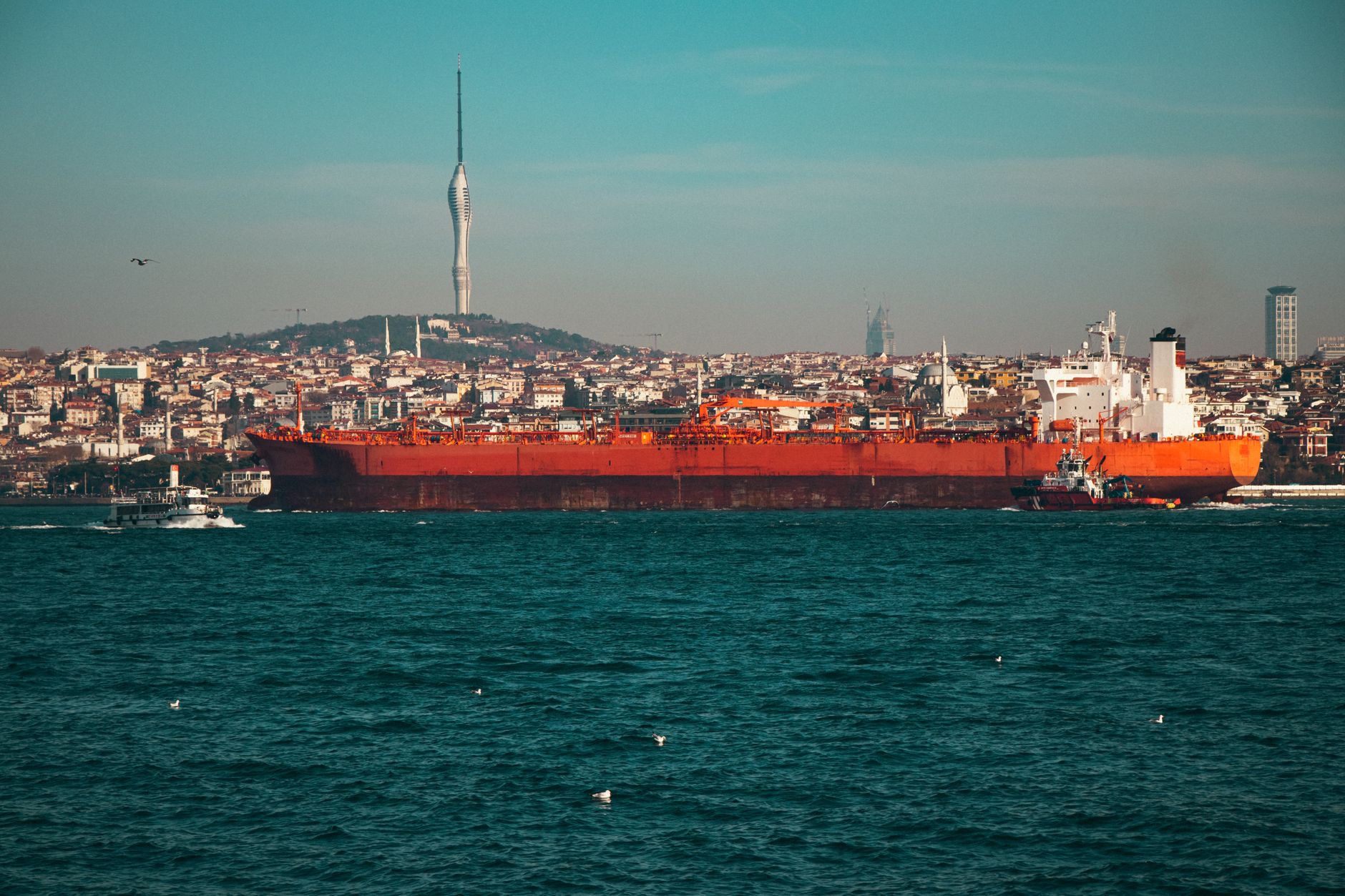
The closure of the Strait of Hormuz began after U.S. and Israeli airstrikes on February 28, 2026, resulting in an immediate 80% drop in maritime traffic through the strait. The crisis left approximately 750 vessels stranded, carrying oil and gas worth an estimated $15.3 billion. Insurers responded swiftly, with most shipping underwriters canceling war risk coverage for the region within 72 hours after the onset of hostilities.
Shift in Maritime Governance
With the impending reopening, the agreement’s framework includes provisions that may reshape maritime governance. Iran and Oman are projected to take on greater control, including the potential imposition of transit fees. Iranian officials have expressed intentions to levy charges on vessels passing through the strait. Reports indicate that certain vessels during the conflict were charged approximately $2 million per transit for specialized services.

The Persian Gulf Strait Authority, established amid the crisis, required vessels to obtain transit permits, and non-compliance led to ships being turned away. Five member states of the Gulf Cooperation Council formally protested Iran’s actions to the International Maritime Organization, noting that such fees contest established principles under the United Nations Convention on the Law of the Sea (UNCLOS).
Market Reactions
The crisis led to a significant rise in war risk premiums, with costs escalating from a mere 0.1% to as high as 10% of the hull value based on the operational environment and level of risk involved. This shift could alter the operational economics for tanker operators and affect charter rates in the Gulf region.
Behind the Headline
The reopening of the Strait of Hormuz heralds a critical moment for shipping companies and tanker operators navigating the Gulf. The integration of transit fees represents a significant shift in operational costs, potentially incentivizing some owners to reroute around the Cape of Good Hope to avoid direct charges. The evolving situation calls for vigilance among maritime stakeholders as they reassess risk management strategies and prepare for extended discussions on governance in a geopolitically sensitive maritime zone.