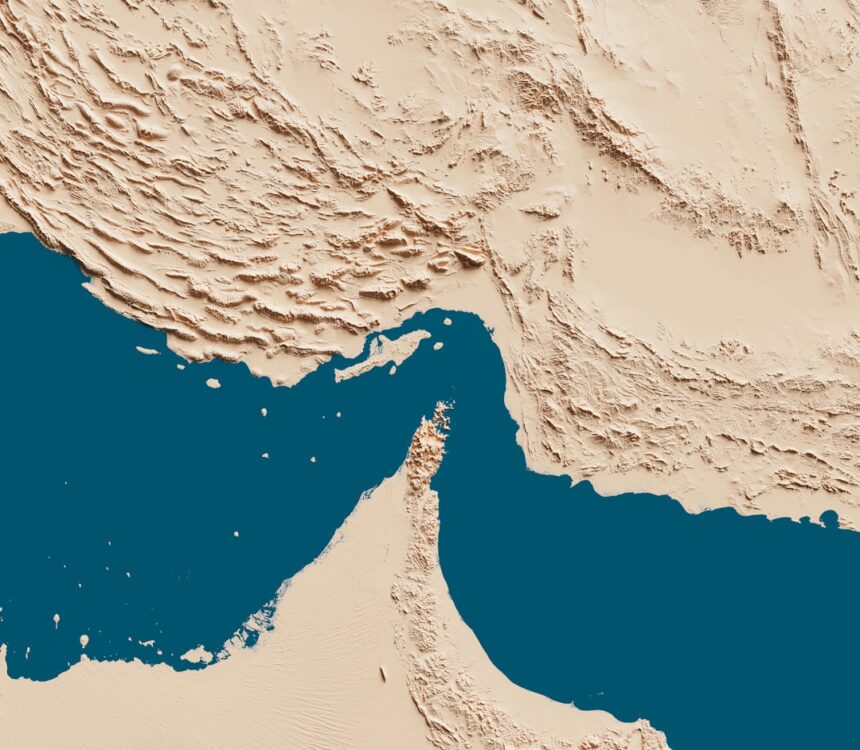
Iran and Oman are poised to announce a significant new traffic arrangement for the Strait of Hormuz, with implications for the management of maritime operations in one of the world’s most critical shipping chokepoints. The engagement reflects ongoing efforts to enhance navigational safety and regulatory oversight in the region, crucial for maintaining the stability of trade routes.
The Proposed Traffic Regime
The Iranian foreign ministry confirmed that both nations have agreed upon specific geographical coordinates for a proposed route, which suggests a structured navigation system will be implemented. This arrangement could mark a shift in how vessels approach the Persian Gulf, with Tehran potentially taking on an official supervisory role concerning maritime traffic, impacting the operations of both commercial and military vessels.
Strategic Implications
The Strait of Hormuz is a vital passageway for global oil shipments, with a significant percentage of the world’s oil moving through its waters. Any changes to the traffic management system could have repercussions on shipping schedules, insurance premiums, and risk assessments for operators transiting this key route. The presence of Iranian oversight may necessitate adaptations from shipping companies regarding compliance and operational protocols.



Market Reactions
Shipping operators are urged to monitor the evolving dynamics closely as the new traffic arrangement is finalized. Analysts suggest that adjustments in route planning and logistical strategy will be critical in light of the potential regulatory changes and increased Iranian oversight. While the initiative may enhance safety and efficiency, it also raises concerns about the security and autonomy of commercial navigation in the region.
The Operational Read
Operators in the region must prepare for the operational realities that the new traffic arrangement may introduce. With Iran’s involvement in overseeing shipping lanes, compliance with any new regulations will be essential for maintaining smooth operations. This heightened scrutiny could lead to increased laytime and demurrage costs if delays occur due to compliance checks. Stakeholders should also keep an eye on potential shifts in regional geopolitical tensions that could further complicate operations in the Strait of Hormuz.