Update 29 Jun 2026, 08:37 UTC:
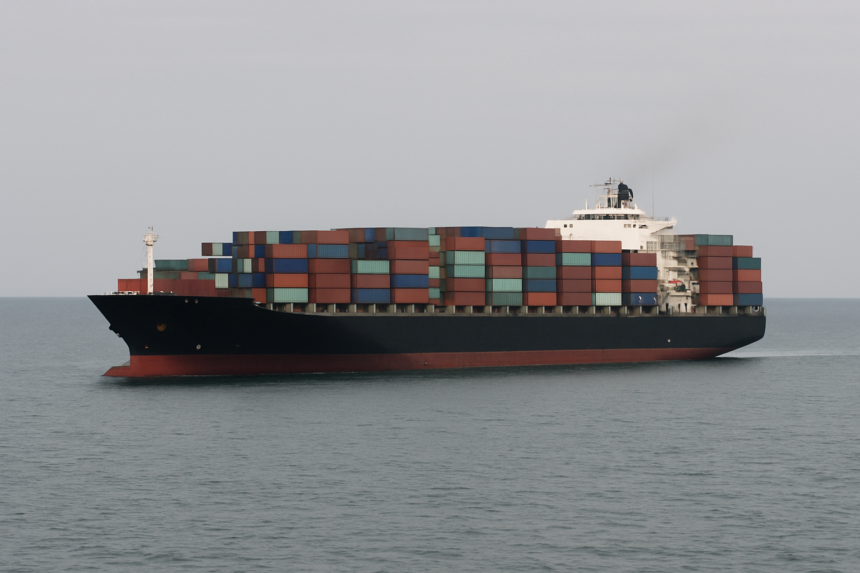
Mediterranean Shipping Co (MSC) has made a substantial move in the container shipping sector by ordering up to 20 ultra-large containerships, each with a capacity of 20,000 TEU, from Hengli Heavy Industry in China. This order represents MSC’s first significant foray back into the newbuilding market in recent times.
Details of the New Order
The vessels will be equipped with LNG dual-fuel engines, aligning with international efforts to promote greener shipping practices. As emissions regulations tighten, the adoption of LNG as a cleaner alternative to traditional marine fuels becomes increasingly essential. The ability to operate on dual-fuel systems provides flexibility and potential cost savings regarding fuel choices.


Strategic Implications for MSC
This new order not only bolsters MSC’s fleet but also indicates a strategic pivot as the company responds to the evolving demands of global shipping and environmental policies. Following a period of relatively restrained newbuilding activity, this fleet expansion supports MSC’s goals in enhancing operational efficiency and meeting the demands of major trade routes.
With a growing focus on sustainability in the maritime industry, MSC’s investment in LNG vessels positions them alongside other major operators committed to reducing their carbon footprint. This order is expected to enhance MSC’s competitiveness in the market, particularly in light of increasing customer preference for eco-friendly shipping solutions.
Behind the Headline
The ordering of these LNG dual-fuel vessels highlights a clear trend in the global shipping industry toward investment in environmentally sustainable technologies. Fleet operators are increasingly recognizing the importance of compliant and efficient vessel designs amid changing regulations and rising expectations from shippers and consumers. The immediate next steps for MSC will be critical; they will need to ensure that these new builds not only meet technical specifications but also optimize operational performance once delivered. Monitoring the development of construction timelines and the global LNG supply chain will be essential for stakeholders as this order progresses.