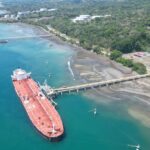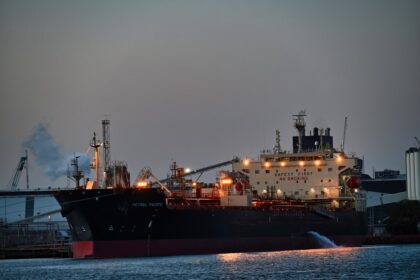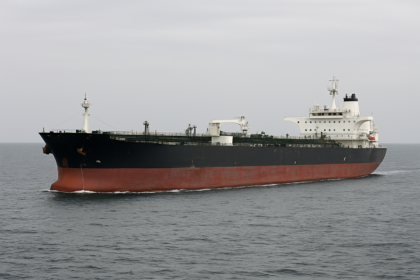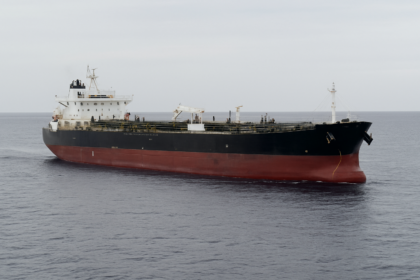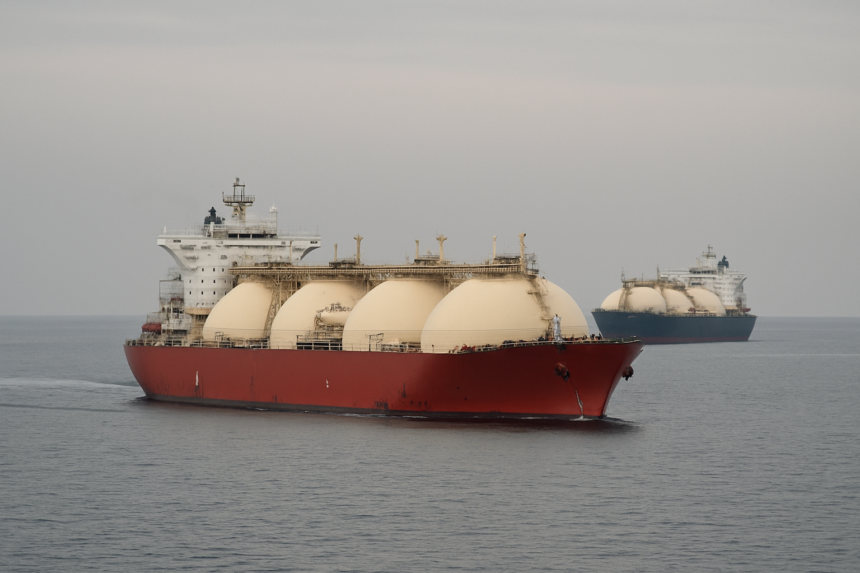
On Tuesday, the UK government imposed sanctions on four liquefied natural gas (LNG) carriers linked to Russia’s Arctic LNG 2 project, marking a strategic move as the first G7 nation to take action against these newly acquired vessels. The sanctioned ships—Orion, Merkuriy, Kosmos, and Luch—are part of an emerging ‘shadow fleet’ that Russian gas producer Novatek is building to circumvent shipping challenges exacerbated by existing Western sanctions.
The Newly Sanctioned Fleet
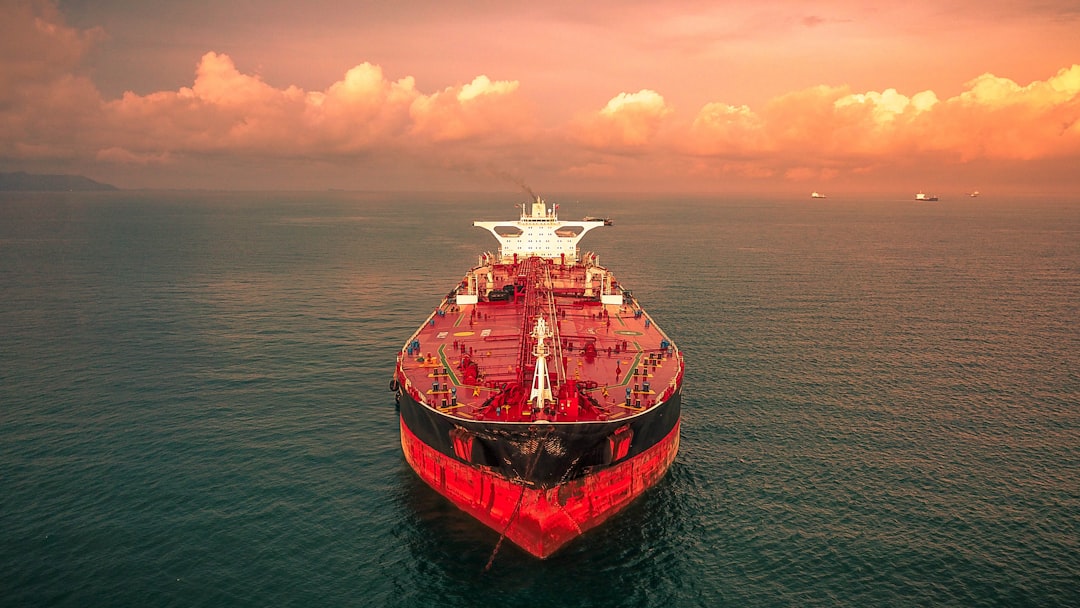
The UK sanctions notice indicates reasonable grounds to suspect that these vessels participated in transporting Russian LNG to third countries. Notably, the Merkuriy was cited for carrying gas sourced in Russia following a transfer with the Saam FSU near Murmansk. The sanctions against these vessels coincide with a wider package targeting Russia’s war economy, which includes sanctions on banks, military procurement networks, and more than 20 oil and gas vessels. This marks a calculated effort to restrict Russia’s ability to continue its energy export activities.
Operational Implications for LNG Exports
As confirmed maritime tracking data reveals, all four LNG carriers are currently heading to China, delivering LNG cargoes sourced from Arctic LNG 2 after undergoing ship-to-ship transfers. This logistical maneuver is indicative of the increasingly complex shipping operations Russia has adopted to maintain export flows despite heavy sanctions. The series of acquisitions of older steam-turbine LNG carriers from the secondary market raises concerns among industry watchers about the implications of these vessels potentially being incorporated into Russia’s shadow fleet.

Looking ahead, the stakes are set to rise further. Starting January 1, 2027, the entire EU market will be off-limits for LNG originating from Russia’s neighboring Yamal LNG project due to sanctions. This will necessitate a pivot toward long-haul deliveries to Asia, amplifying the demand for LNG shipping capacity at a time when Novatek faces critical operational constraints. Industry analysts suggest that Novatek could eventually require dozens of additional LNG carriers to sustain year-round logistics from both the Arctic LNG 2 and Yamal projects.
The Operational Read
The recent sanctions underscore the operational challenges facing Russia’s LNG export capacity amidst tightening international scrutiny. For operators, the effect of these measures may mean increased logistical complexity as they seek alternative routes and freight arrangements. As the demand for LNG carriers increases, operators must adapt to evolving regulations while managing the risks associated with potential reprisals from sanctioning countries. The present situation strengthens the notion that the operational landscape for LNG logistics is changing significantly, with the shadow fleet becoming a critical focus for industry observers and analysts in the months ahead.