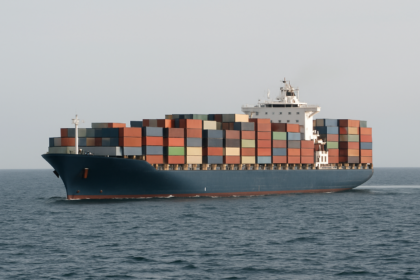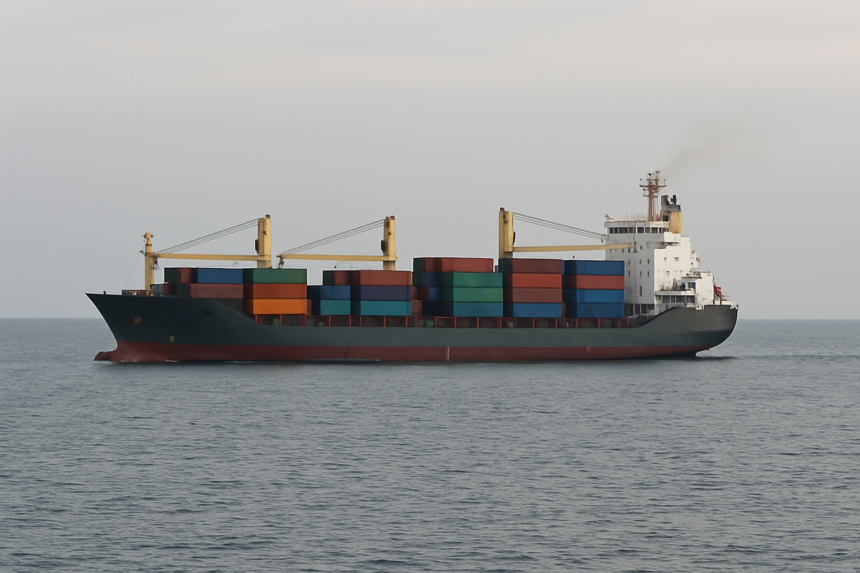
Between June 11 and June 14, the Strait of Hormuz experienced a notable decline in AIS-visible maritime traffic, with reports indicating that only a single crossing was registered on June 11-12, followed by seven transits on June 12-13 and six on June 13-14. This severe reduction in visible movements signals heightened operational pressures in one of the world’s critical maritime chokepoints.
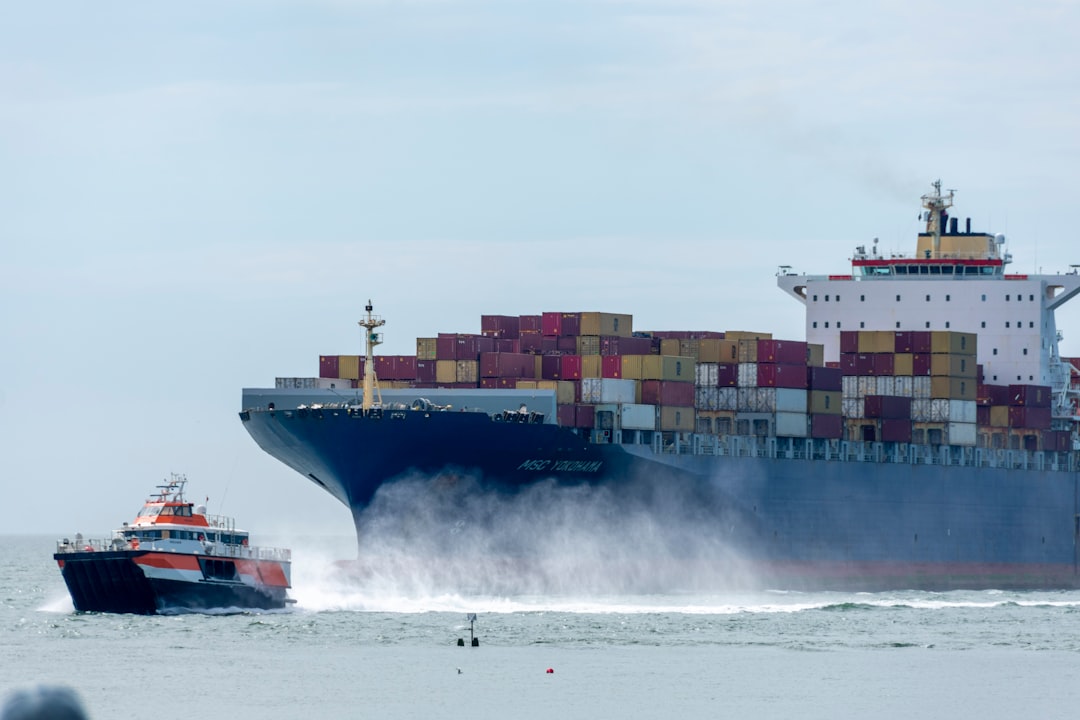
Simultaneously, activity by the Islamic Revolutionary Guard Corps (IRGC) increased significantly. On June 14, approximately 106 high-speed craft were launched from the Khasab South staging area in a swift, coordinated effort to cover both the western approach and the northeastern choke point of the strait. This organized military presence suggests a strategic response to perceived threats and the tightening of control over transit in the area.
Covert Export Operations Persist
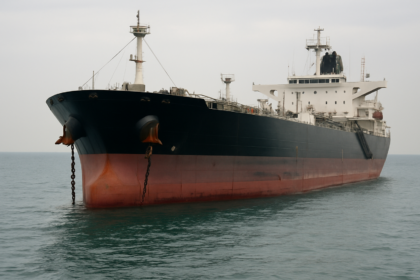
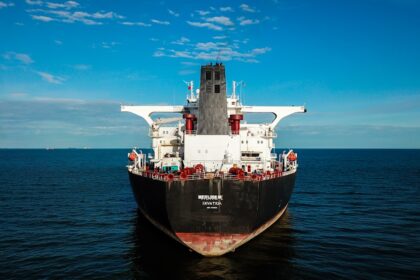
While visible traffic has collapsed, Iranian export activity continues in a covert manner. Observations from Kharg Island showed empty crude terminals over the June 13-14 period, yet 23 tankers were identified holding offshore, indicating ongoing export attempts despite U.S. sanctions and enforcement. Interestingly, a bulk carrier was noted in the final stages of sulphur loading at an LPG/Sulphur terminal, marking an unusual event during the Operation Epic Fury window.


An assessment by Windward revealed that at least six tankers were spoofing their positions in the Gulf of Oman, indicating an effort to bypass surveillance and move cargoes toward external markets. Additionally, 19 potential blockade breakers were identified across the Arabian Gulf, accentuating the complexity of monitoring maritime movements in this strategic region.
Incidents Raise Enforcement Concerns
On June 11, a cargo barge, reportedly carrying essential goods, was struck by a U.S. projectile five nautical miles off Khasab, while en route to Sirik, Iran. Despite being untracked by AIS for the 30 days preceding the incident, the lack of monitoring highlights potential enforcement gaps, particularly as traditional vessels in this corridor often do not comply with AIS requirements.
Furthermore, an Iranian tug was observed making an unusual cross-Gulf route, having left Bandar Abbas and headed toward Sirik. This journey was unprecedented, raising questions about regulatory compliance and the potential implications of bypassing historically utilized routes.
The Operational Read
The operational landscape in the Strait of Hormuz is undergoing significant transformation, where AIS-visible traffic reflects only part of the maritime activity occurring in the region. With IRGC forces intensifying their presence and Iranian vessels managing covert operations, the risk profile for shipping operators is evolving. The incident involving the cargo barge further complicates the situation, highlighting enforcement challenges and potential shifts in operational protocols. As dark exports persist, operators will need to assess not only the safety of their vessels but also the geopolitical implications of navigating a chokepoint marked by heightened tensions and evolving strategies from regional actors.