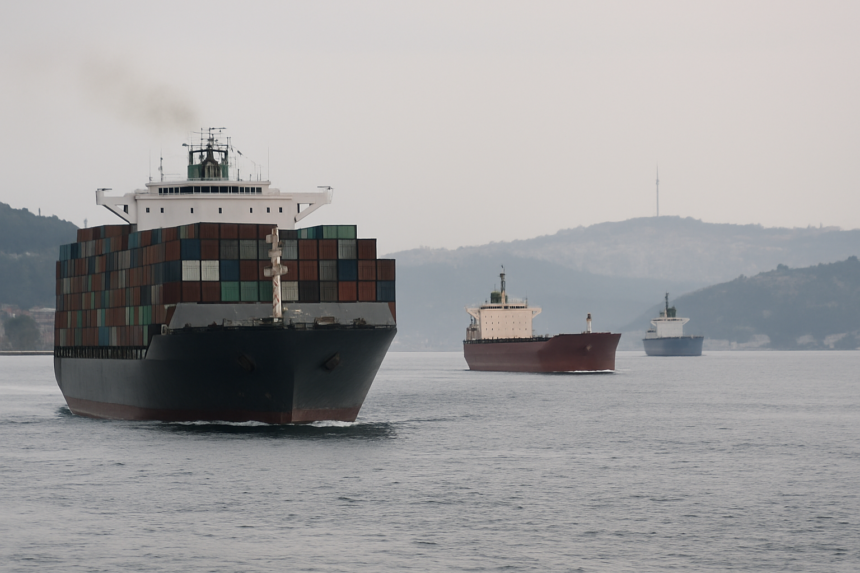
On Monday, President Donald Trump announced the reinstatement of the U.S. blockade on Iranian shipping and put forth a controversial proposal to impose a 20% fee on all cargo transiting the Strait of Hormuz. This decision underscores the United States’ commitment to maintaining control over one of the world’s busiest maritime chokepoints, a vital route for global oil transport.
Details of the U.S. Proposal
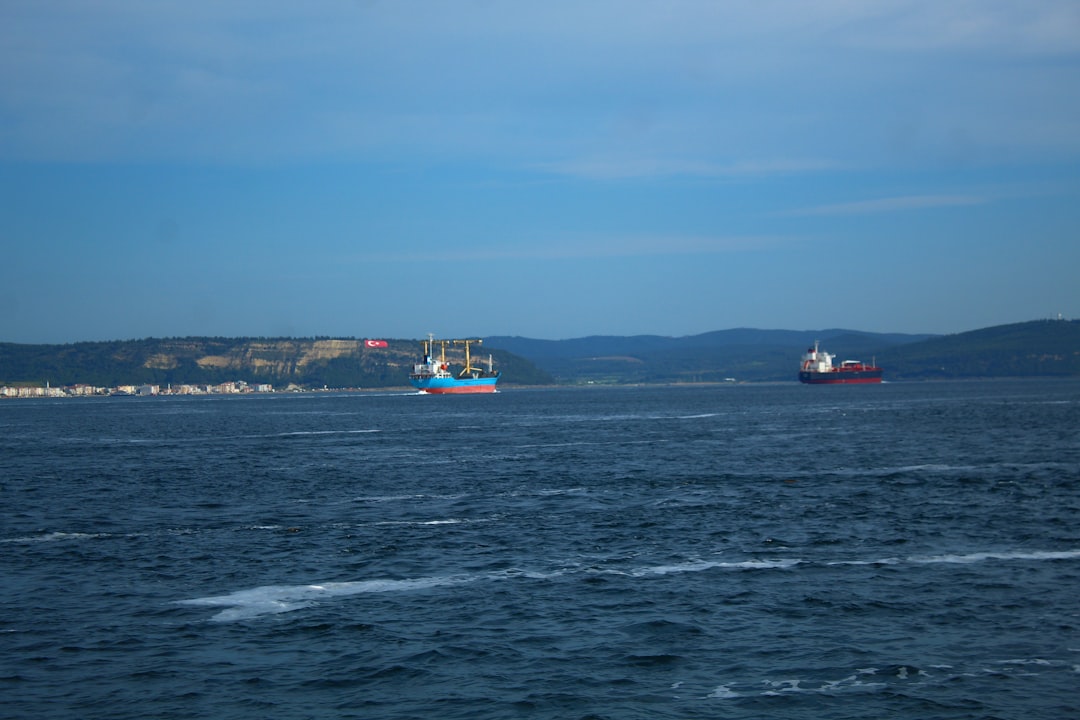
In a recent post on Truth Social, Trump emphasized that the Strait of Hormuz “is OPEN, and will remain OPEN, with or without Iran.” He described the blockade as specifically targeting Iranian vessels and reiterated the U.S. assumption of the role as the “GUARDIAN OF THE HORMUZ STRAIT.” The announced cargo fee aims to cover the security measures required for safe passage through the strait.
The proposed fee raises questions about the logistical implications for shipping operators and may disrupt pricing structures within the industry. As of now, no formal legal framework or detailed guidance for shipowners regarding compliance with this fee has been released by the White House.

Escalating Military Engagement
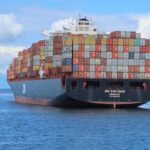
This announcement correlates with a series of U.S. military strikes aimed at Iranian military targets, indicating a significant escalation in military readiness. U.S. Central Command reported completed operations focusing on Iranian coastal defense systems and drone capabilities, which represent an increased military footprint in the region. Notably, these actions followed an incident involving the container ship GFS Galaxy, which was struck while transiting east of Oman, leaving one crew member missing.
In response, Iran’s Persian Gulf Strait Authority declared the current passage through the strait as “unfeasible,” citing recent U.S. military action. This has resulted in a suspended processing of transit permit applications, reflecting the heightened tensions and the unresolved conflict regarding governance of the critical waterway.
Global Trade Implications
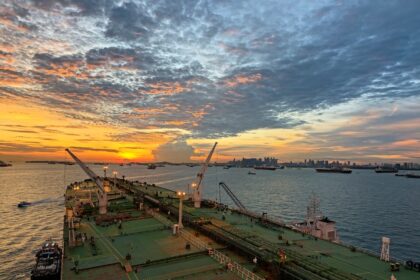
The Strait of Hormuz remains a crucial infrastructure node, facilitating the transit of approximately one-fifth of global oil supplies. Under international maritime law, particularly the United Nations Convention on the Law of the Sea, vessels from all nations maintain the right to transit through international straits. However, specific enforcement of U.S. maritime initiatives could provoke significant challenges and disruptions in global shipping operations.
The Operational Read
This latest development reflects a critical moment for shipping operators, charterers, and the broader maritime industry. The planned blockade and cargo fee will necessitate adjustments in transit logistics and could lead to increased costs that may be passed on to end consumers. Operators must remain vigilant for updates regarding implementation guidance from U.S. authorities. Anticipating the reactions from Iran, it is also important for stakeholders to monitor potential rerouting strategies as tensions persist in this strategically vital region.