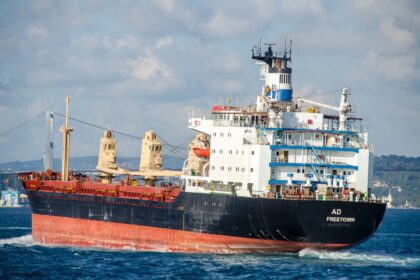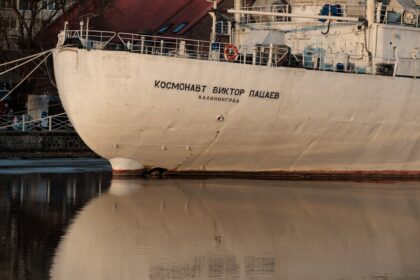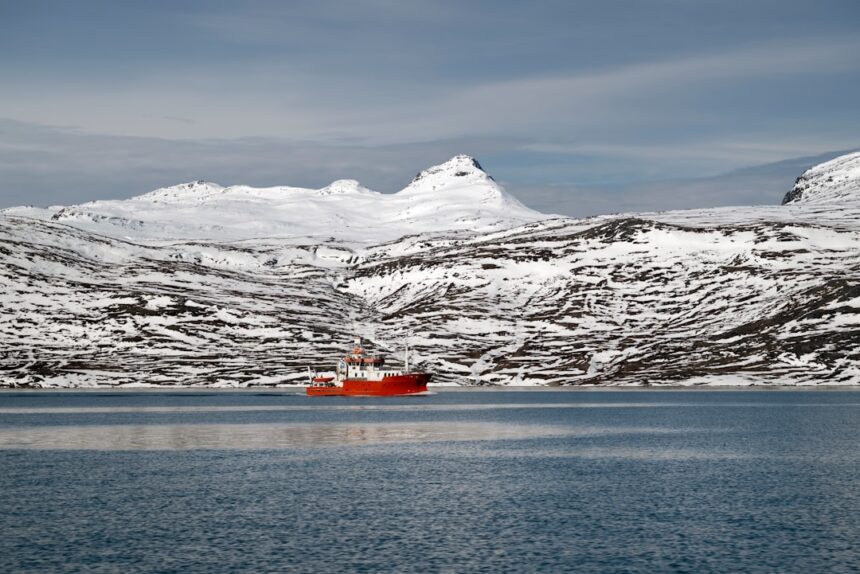
On August 3, 2026, Russia orchestrated a significant assembly of oil tankers in the Arctic, exemplifying its ambitions to expand crude oil exports to Asia via the Northern Sea Route (NSR). The current fleet is managing nearly 8 million barrels of oil, already surpassing half the total volumes transported during the entire previous summer navigation season.
Operational Details
The operational composition of this unprecedented convoy includes more than a dozen Suezmax, Aframax, and Medium Range oil carriers. These vessels are currently either en route along the Northern Sea Route or anchored in the Kara Sea, awaiting necessary nuclear icebreaker assistance or improved ice conditions for continuing their journey eastward. This year, the swift accumulation of tankers has led to a fluid staging area that includes the Suezmax Dinasty and several Aframax tankers such as Viktor Bakaev and Liteyny Prospect. Together, this group has already mobilized around 8 million barrels, approaching 60% of the tonnage transported during the previous summer shipping window.
Geopolitical Context
The Arctic melt season has accelerated shipping operations; however, sea ice is anticipated to remain a challenge until the season’s end in late September. The Russian strategy is supported by three active nuclear-powered icebreakers: Sibir in the central-western Arctic, Yakutiya in the East Siberian Sea, and Ural near Wrangel Island, a historical traffic bottleneck. This organizational pivot to the Northern Sea Route is driven by escalating geopolitical tensions in traditional shipping lanes, including the access risks in the Strait of Hormuz and the ongoing threats posed to commercial vessels in the Red Sea.

Moreover, recent developments in Ukraine demonstrate the ability to target Russian energy infrastructure, reinforcing the strategic value of shifting exports to the Arctic. The NSR provides a considerable reduction in travel distances from northwest Russia to Asia—yielding thousands of nautical miles compared to the Suez Canal—while presenting itself as a safer alternative during seasonal navigation.
The Operational Read
The build-up of maritime traffic along the Northern Sea Route highlights Russia’s shift in exporting strategies, increasingly relying on ice-laden passages to circumvent vulnerabilities of traditional routes. For operators, navigating these newly trafficked lanes may require adjustments in logistical planning and risk assessment, particularly concerning ice conditions and the dependence on icebreakers. The geopolitical climate will likely dictate future transit patterns, and continuous monitoring of the evolving situation in both Arctic waters and more contentious shipping corridors will be essential. Moving forward, stakeholders should watch for fluctuations in operational efficiencies and the implications for global energy supplies.