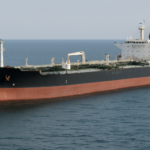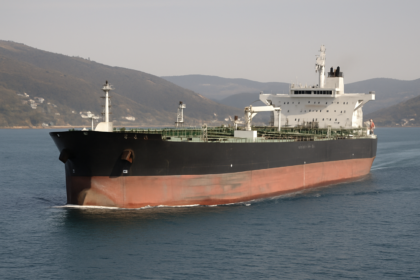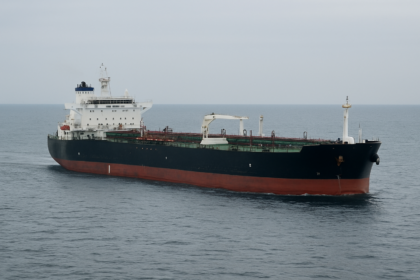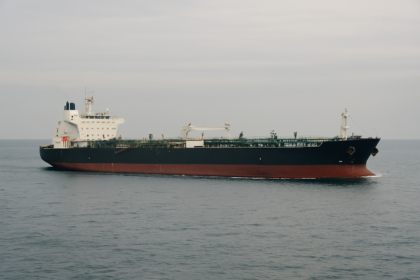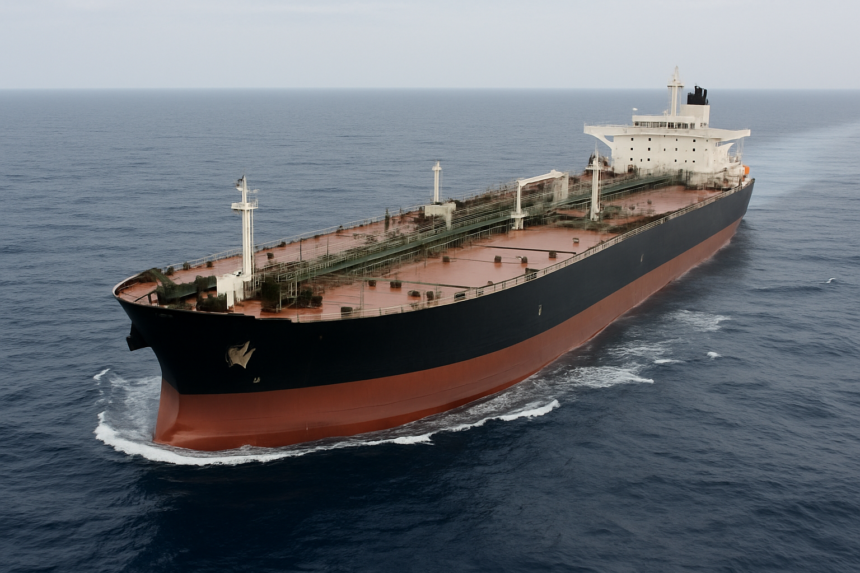
Avtandil Kalandadze, the former master of the Bella 1, a tanker linked to Iran and Venezuela’s shadow oil trade, pleaded guilty Thursday in U.S. District Court for failing to comply with a lawful order from the U.S. Coast Guard. This plea follows one of the most high-profile maritime sanctions enforcement actions in recent years, occurring after an extended chase across the Atlantic Ocean.

The Pursuit
Kalandadze commanded the Bella 1 from September to December 2025, a period during which the vessel reportedly transported approximately 1.8 million barrels of Iranian crude oil to Asia while utilizing a range of sanctions-evasion tactics. These tactics included disabling its Automatic Identification System (AIS) and obscuring its identity during ship-to-ship oil transfers. The situation escalated when the Bella 1 was intercepted by the U.S. Coast Guard Cutter Munro as it was headed towards Venezuela. Instead of complying with orders to stop, the vessel fled into the Atlantic, leading to a pursuit that lasted more than two weeks and garnered considerable international attention.
On January 7, 2026, U.S. authorities successfully seized the Bella 1 in the Atlantic after weeks of tracking. The operation, involving both the Coast Guard and military personnel, aimed to execute a judicial seizure warrant against the vessel, which had changed its registration to Russia and was renamed Marinera, a move deemed ineffective by U.S. officials regarding its legal status.

Legal Ramifications
Following his guilty plea, Kalandadze is scheduled for sentencing on August 7, where deportation is anticipated upon serving any prison term. U.S. Attorney Jeanine Ferris Pirro stated that Kalandadze endangered the lives of American sailors and Coast Guardsmen while evading U.S. sanctions. Furthermore, Assistant Attorney General John Eisenberg emphasized that this plea should serve as a warning to operators of shadow fleet vessels, asserting that sanctions evaders will be pursued by U.S. authorities in various global waters.
The Bella 1 has long been associated with sanctions-evasion activities and was previously sanctioned by the U.S. Treasury due to its alleged role in facilitating oil transport connected to networks associated with Iran’s Islamic Revolutionary Guard Corps. Such actions reflect the broader strategy of the U.S. government to crack down on maritime operations facilitating the transport of sanctioned oil.
The Operational Read
This case exemplifies the ongoing risks and operational challenges posed by shadow fleets in the maritime oil trade. For shipping operators and charterers, the heightened enforcement of sanctions translates into increased scrutiny and operational limitations. The ability to maneuver under existing legal frameworks while tracking illicit activities is crucial, and vessel operators must remain vigilant against both regulatory compliance and physical security threats. As enforcement capabilities continue to expand internationally, stakeholders should prepare for an evolving landscape marked by stricter maritime regulations aimed at diminishing sanctions evasion tactics.