The hypocrisy behind calling seafarers “Key Workers”.
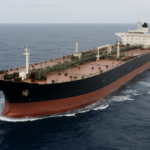
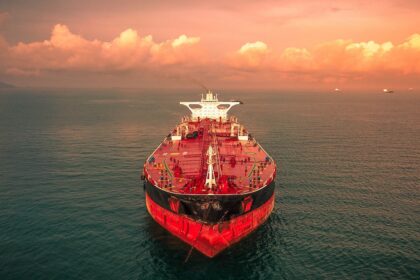
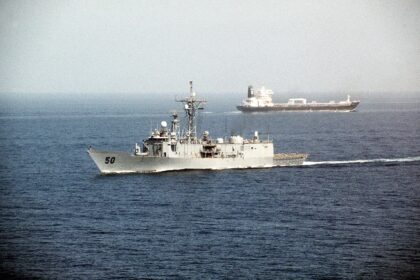
Among the recent events happening in the world are the tensions in the Strait of Hormuz. Yesterday a vessel named MT Settebellow was attacked and three seafarers lost their lives. As for many people, this may be just another news headline. But when it happens to us, it becomes a tragedy.

Sadly, those who lost their lives were Indians: a Chief Engineer, an Engine Fitter and a Deck Cadet. Those people were someone’s father, someone’s husband and someone’s loved one. A deck cadet who may have boarded the vessel with dreams of building a career at sea, after complying with all the rules and regulations required to become a seafarer, will now never return home.
I find it difficult to join all the pieces together and understand the motives behind these attacks. US President Donald Trump once asked seafarers to show some guts while transiting through the Strait of Hormuz. Looking at recent events, I find it difficult to reconcile those words with what is happening today.
I have a few questions for which I cannot find answers. Perhaps the answers lie somewhere within a much larger system that is too complicated for a single individual to fully understand.
Why do military powers believe they can attack or bomb commercial vessels operated by people who have no direct interest in the conflict? Is it because they can, or because there is no one powerful enough to question them?
If reports are true that MT Settebellow violated a blockade, then why did the vessel proceed despite the risks? Was it due to pressure to meet charter party obligations, ETA commitments, or commercial demands from charterers and vessel operators? I find it difficult to believe that any crew would knowingly place themselves in danger unless there were pressures beyond their control.
What is the role of IMO in all this? IMO continues to introduce regulations and amendments for environmental protection and pollution prevention, and seafarers work hard to implement them. But what additional steps are being taken to protect the very seafarers who help achieve these goals?
There is a lot of discussion on this topic. News channels are flooded with debates. Everyone is asking questions and looking for someone to blame. Instead of only finding faults, perhaps we should focus on finding answers and practical ways to protect seafarers operating in conflict zones.
I remember the Francis Scott Key Bridge incident in Maryland, where lives were lost and massive compensation claims followed. It makes me wonder how responsibility is determined when seafarers become victims of military actions. No amount of money can replace a loved one, but there must be accountability when innocent civilian seafarers are harmed while simply doing their jobs.
It will take more than simply declaring seafarers as “Key Workers”. If the maritime industry truly believes that seafarers are essential to global trade, then stronger measures must be developed to protect them. IMO and other stakeholders should consider whether existing protections are enough and what more can be done.
Future generations who aspire to join this profession should not be discouraged by the feeling that their safety becomes secondary whenever larger political or military interests are involved.
Seafarers keep world trade moving. Calling them key workers is easy. Protecting them when it matters is the real test.