Update 24 Sep 2026, 06:36 UTC:
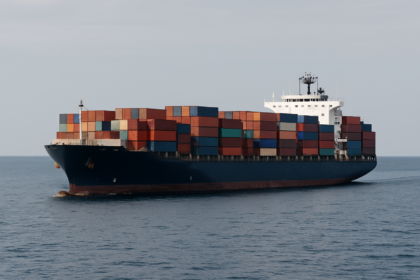
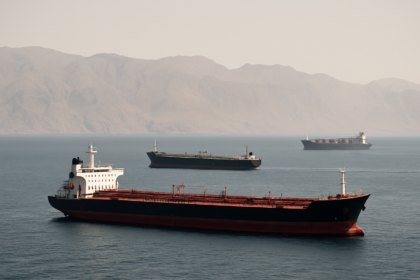
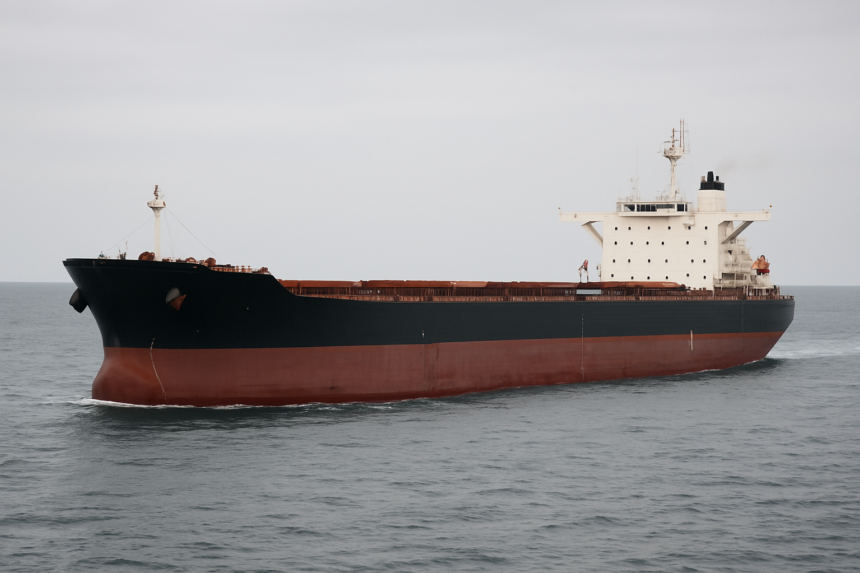
The conflict dynamics in the Strait of Hormuz escalated yesterday with a tragic incident involving the Cape Dao, a capesize bulker, which resulted in the death of a seafarer. The 2002-built vessel was reportedly struck during its transit in this critical maritime region at approximately 0630 UTC, according to reports from UK Maritime Trade Operations.
The Incident
The Cape Dao, registered under the Antigua and Barbuda flag, found itself at the center of a dangerous encounter while navigating off the Musandam peninsula of Oman. The details surrounding the circumstances of the strike remain unclear, but the implications for maritime safety and operations in the Strait of Hormuz are significant. This marks a continuing trend of heightened risks for commercial shipping in one of the world’s busiest waterways.

Market Impact
The aftermath of this incident has prompted immediate concern among shipping operators regarding the safety of their vessels transiting through the region. Maritime officials are reiterating the necessity for heightened vigilance and robust risk management strategies as conflicts in the area threaten not only crew safety but also operational efficiency. The likelihood of increased insurance premiums and potential delays due to heightened security measures is becoming a pressing concern for charterers and shipping companies alike.
Operator Response
In light of the tragic event, there is an urgent necessity for shipping companies to reassess their operational protocols in the Strait of Hormuz. Enhanced training for crew members on threat recognition and push for technological upgrades in real-time monitoring systems are potential areas for improvement. Furthermore, operators may need to consider alternative routing options or additional security measures to safeguard their fleets and ensure compliance with the broader industry standards for safety.
Why It Matters
This incident reflects the broader challenges facing shipping operations in the Strait of Hormuz, a key chokepoint for global trade. The loss of a crew member underscores the human cost associated with maritime navigation in conflict zones, while also serving as a catalyst for discussions surrounding maritime security protocols. As tensions evolve, operators must remain agile, continuously evaluating the impact of geopolitical factors on shipping routes. Additionally, staying informed about the regulatory landscape and potential implications for insurance and operational costs will be crucial for maintaining safe and efficient maritime commerce.