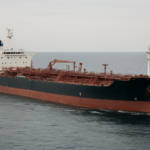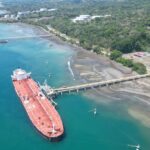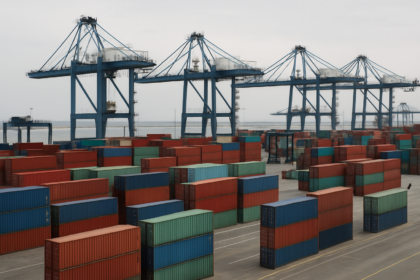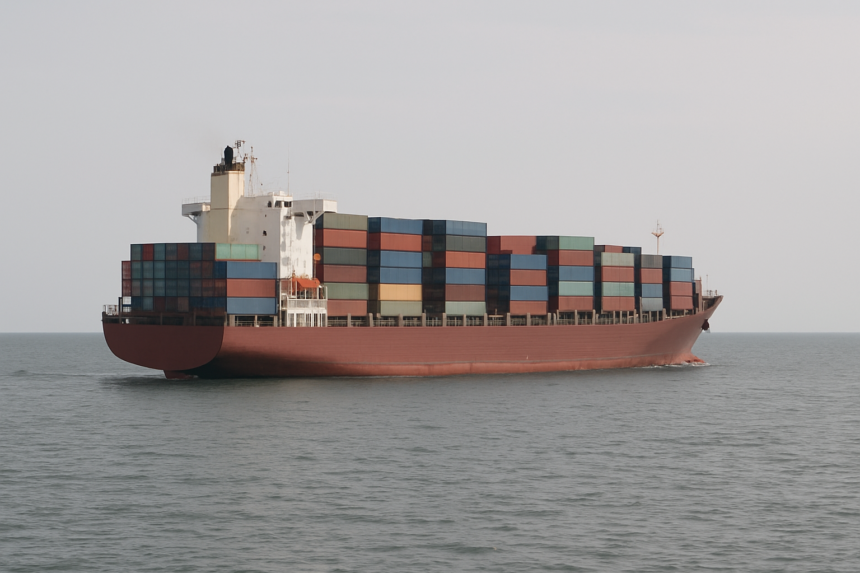
Recent assessments indicate that vessel traffic through the Strait of Hormuz is experiencing a notable resurgence, suggesting a gradual return to normal operations in what is one of the world’s busiest maritime corridors. According to maritime risk specialist Windward, recorded vessel movements have shown encouraging numbers, underscoring the resilience of commercial shipping amidst challenging circumstances.
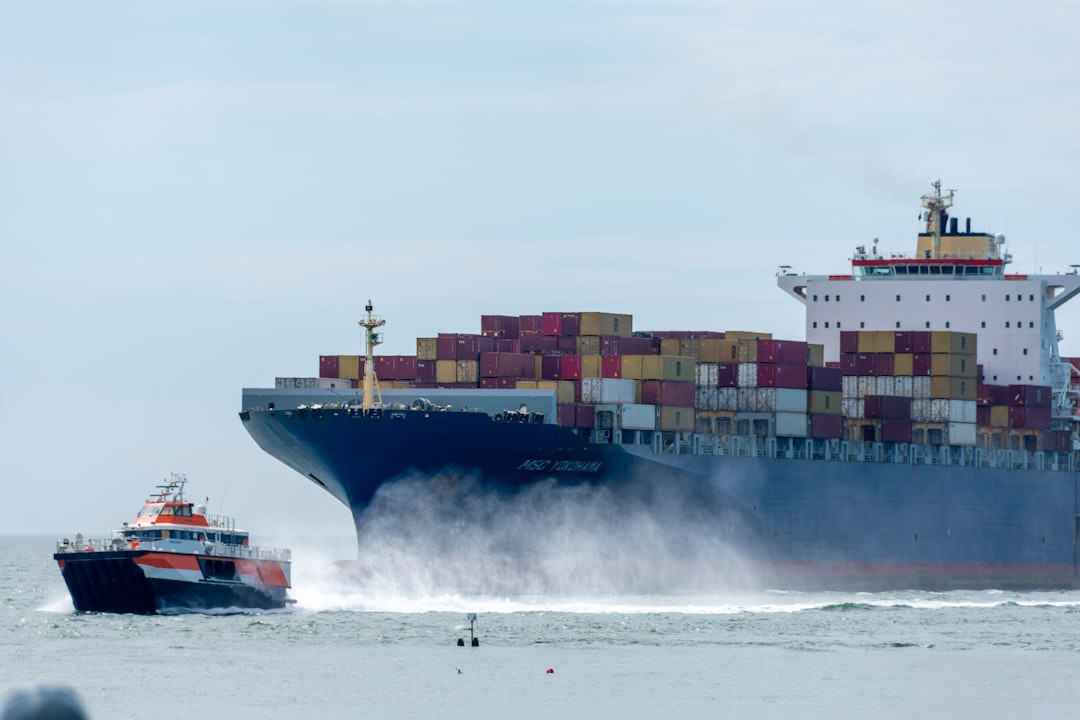
Current Operational Landscape
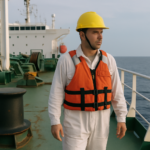
Although shipping traffic is rebounding, challenges persist. Thousands of seafarers remain stranded, with many unable to return to their home countries or change shifts as shipping schedules adjust. The extraordinary operational restrictions still governing the waterway contribute to significant logistical delays and difficulties for shipping companies and their crews.
The Strait of Hormuz, responsible for a substantial portion of oil shipments globally, operates under heightened scrutiny and regulation due to geopolitical factors. Even as traffic increases, shipping companies must remain vigilant as compliance with current operational guidelines continues to pose challenges.

Implications for Stakeholders
The current state of affairs raises critical questions for ship operators, charterers, and crew members. For operators, the focus will likely shift towards ensuring that vessels not only resume service efficiently but also navigate the complexities of compliance and safety under existing restrictions. Shipping lines must also strategize on mitigating the impacts of potential delays on delivery schedules, which can result in higher associated costs, including increased laytime and demurrage expenses.
Moreover, the lingering stranding of seafarers reveals a pressing need for industry stakeholders to address crew welfare and ensure prompt repatriation where possible. The operational support for seafarers during recovery will be paramount, particularly as crew changes become increasingly critical to maintaining workforce stability.
Why It Matters
The situation in the Strait of Hormuz is emblematic of the broader challenges facing the maritime industry as it grapples with recovery from operational disruptions. The increase in vessel traffic is a positive sign, yet the unresolved issues surrounding crew stranding and compliance with extraordinary regulations highlight the intricate balance required in maritime operations. Operators need to remain agile, adapting to shifting market conditions and prioritizing crew welfare in the coming months. The industry’s focus on effective logistics management will be crucial to navigating these trials and advancing towards a more stable operational landscape.