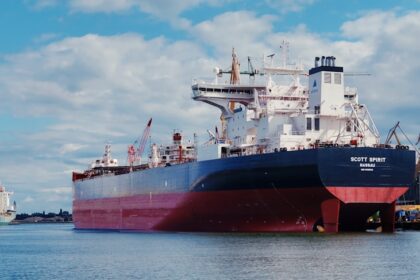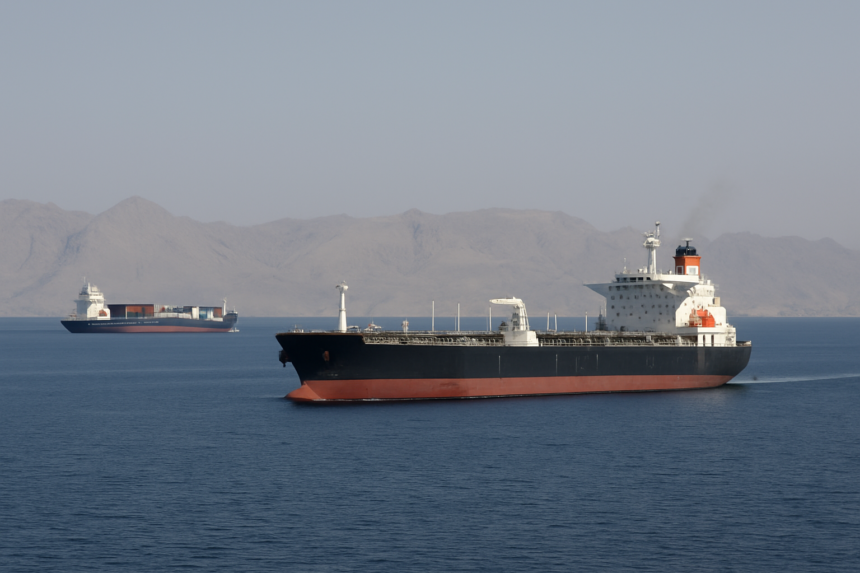
The resumption of vessel traffic through the Strait of Hormuz is a positive development for global shipping; however, the economic repercussions from over 100 days of disruption will continue to burden vulnerable economies, according to a new report from the United Nations Conference on Trade and Development (UNCTAD).
The Current State of Shipping
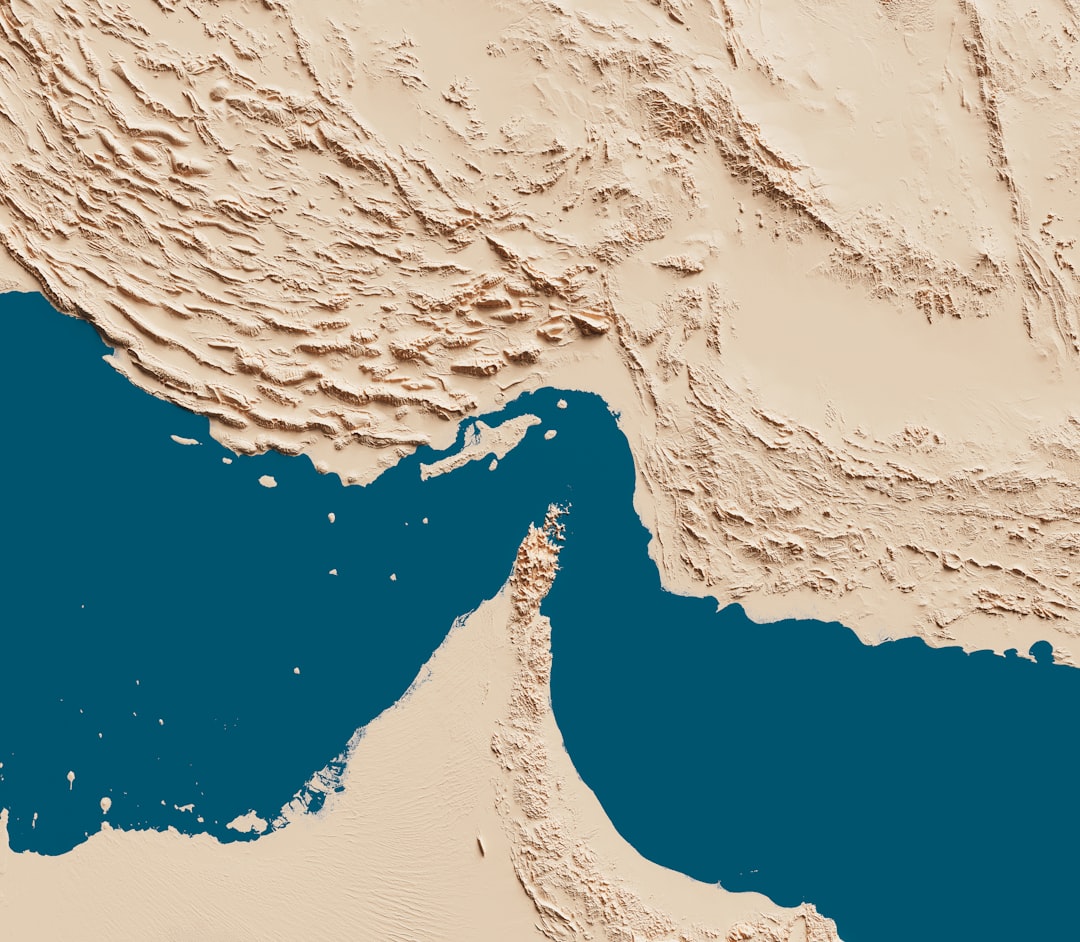
Following the announcement of an agreement to reopen the Strait of Hormuz following significant conflict-related disruptions, daily ship transits have begun to recover. This vital waterway, through which a significant share of the world’s oil is transported, has long been regarded as a critical chokepoint for global energy and shipping markets.
Benchmark crude oil prices have started to retreat from elevated wartime levels, a trend that may facilitate restored exports. Nevertheless, UNCTAD cautions that shipping markets tend to respond more gradually compared to commodity markets. Consequently, freight costs for agricultural cargoes remain elevated, reflecting the need for normalization of supply chains and trading patterns.

Economic Fallout for Vulnerable Nations
UNCTAD’s report highlights the economic challenges that persist beyond the immediate shipping recovery. It identifies 61 vulnerable economies, including least developed countries and small island developing states, that face compounded risks from both oil and cereal import shocks. The disruptions have pushed up costs across various sectors, notably fertilizers, resulting in increased agricultural production expenses that could perpetuate food inflation even as energy prices decline.
The report underscores that many of these nations already contend with significant debt burdens and limited fiscal capacities. As a result, they possess fewer resources to manage the escalating costs of essential imports. High rates of food inflation, which often continue long after energy prices stabilize, further exacerbate the economic vulnerabilities faced by these countries.
Future Considerations
Looking towards the future, UNCTAD emphasizes that the mere restoration of shipping operations will not suffice to address the broader economic crisis. The agency calls for continued international support and increased investment in economic resilience measures. Furthermore, the potential influence of an anticipated strong El Niño raises additional concerns regarding food security in developing regions.
In summary, while the reopening of the Strait of Hormuz marks a critical step toward recovering normal shipping operations, the broader implications for vulnerable economies require ongoing attention and collaborative efforts to mitigate potential crises.
Behind the Headline
The operational realities highlighted by UNCTAD’s findings exemplify the multifaceted challenges that arise from disruptions in major shipping lanes. While vessel traffic may return to normal, the cascading effects on transportation costs, food security, and inflation are felt keenly across global supply chains, particularly in regions already facing economic hardships. Close monitoring of shipping market responses, along with proactive measures by stakeholders, will be essential in navigating the complex recovery ahead.