Update 14 Jun 2026, 22:34 UTC:
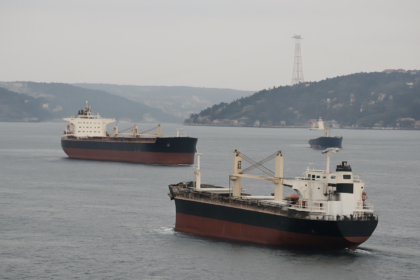
The ongoing closure of the Strait of Hormuz has rendered an estimated 1,550 vessels unable to transit this critical maritime chokepoint since late February 2026. With traffic through the Strait, which normally averages around 138 vessels per day, dropping to near-zero on most days, many vessels have opted to remain anchored in the Arabian Gulf, Gulf of Oman, and adjacent waters for about 90 days. The impact of this extended idleness poses pressing technical challenges for vessel owners and operators concerning fuel quality management.
Fuel Quality Deterioration Risks
Extended periods of inactivity result in fuel deterioration due to time and environmental factors such as temperature and water ingress. In particular, the Arabian Gulf’s summer conditions exacerbate these issues, with bunker tank temperatures on unshaded anchored vessels reaching between 50 to 55°C. Under such conditions, operators must contend with the unique challenges presented by biofuel blends.


The UAE has initiated the supply of ISCC-certified marine biofuel blends, primarily FAME (UCOME) blended with very low sulfur fuel oil (VLSFO). Depending on the blending ratio, typically ranging from B10 to B30, vessels that bunkered these blends prior to idleness face increased risks of degradation. Such risks include decreased storage stability and the potential for microbial contamination, particularly due to FAME’s hygroscopic nature, which allows it to absorb moisture from tank atmospheres.
Preparation for Reactivation
Before returning to active service, vessels must undertake rigorous preparation to ensure fuel quality and operational integrity. Key steps include verifying that laboratory results for fuel quality are current and no older than 30 days before reactivation. Additionally, operators should inspect and, if necessary, replace purifier and fine filter elements, especially if the vessel has been idle for more than 90 days.
Heating coils should also be operational, and VLSFO service and settling tanks must reach appropriate operational temperatures before drawing fuel into purifiers and the main engine. For vessels carrying biofuel blends, conducting Wax Appearance Temperature tests is essential prior to departure, especially for routes leading into temperate or emission control areas (ECA) zones, or if the blend has been stored for over 60 days.
Additional testing, including total bacteria counts, copper and steel corrosion tests, and chemical species analysis, is advisable to mitigate risks associated with fuel quality. Documentation of all procedures, findings, and laboratory reports is crucial and must be recorded in the engine log.
Why It Matters
The impact of the Strait of Hormuz closure underscores the vulnerabilities faced by maritime operations in extended idle scenarios. With thousands of vessels stranded, the potential for fuel quality deterioration increases significantly, raising operational and environmental risks. Operators must be vigilant in implementing systematic fuel management practices, especially with the heightened temperatures of the summer months. As the situation unfolds, ongoing monitoring and rigorous adherence to protocols will be critical in ensuring both operational readiness and compliance with environmental standards in this challenging context.