On Saturday, President Donald Trump announced the rejection of a proposal from Iran aimed at reopening the Strait of Hormuz, a key artery for global oil shipments. This decision comes amidst escalating attacks by Houthi forces on Saudi Arabia, further complicating an already tense geopolitical landscape.
The Proposal’s Context
The rejected deal was part of ongoing discussions between US and Iranian negotiators, which included measures to alleviate the US naval blockade on Iranian ports in exchange for reopening the Strait of Hormuz. A source revealed that the proposed agreement would have mirrored an earlier memorandum that led to a brief ceasefire, which ultimately collapsed. Trump’s dismissal highlights the administration’s strategy of applying economic pressure on Iran through maritime blockades.
Increasing Regional Hostilities
Over the weekend, Houthi forces successfully launched drones and ballistic missiles aimed at Riyadh, prompting defense responses from Saudi forces. Civil defense alerts indicated potential threats in multiple areas including Abha and Jazan. This surge in the Houthi offensive marks a significant shift in the regional security dynamic, as air raid warnings signal a new phase of conflict. Saudi air defenses intercepted incoming missiles, showcasing the ongoing threats to the capital and the broader implications for regional stability.


Implications for Global Shipping
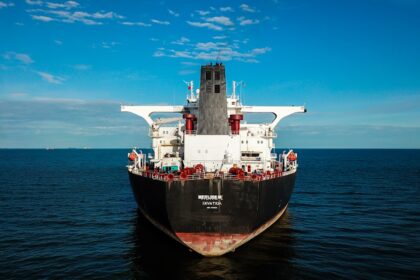
The Strait of Hormuz, through which a significant volume of the world’s oil supply transits, remains under severe scrutiny as tensions rise. Iranian President Masoud Pezeshkian has proclaimed that Iran will not permit unfettered navigation in the strait while sanctions and the blockade continue, signaling a potential crisis for international maritime operations. In light of these developments, the maritime industry must prepare for possible disruptions and an increase in war-risk insurance premiums.
The Operational Read
The current geopolitical climate surrounding the Strait of Hormuz poses significant operational challenges for shipping companies and charterers. The rejection of Iran’s proposal not only intensifies tensions but also raises concerns over the reliability of passage through this vital chokepoint. Shipping operators are likely to reassess routes and increase risk management measures to navigate the volatile security environment. In the weeks ahead, monitoring military deployments and regional alliances will be critical as operators seek to protect their cargo and ensure safe transit through a potentially contested maritime area.