Update 28 Aug 2026, 12:33 UTC:
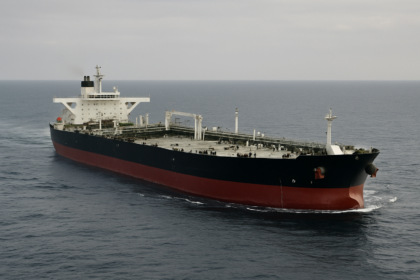
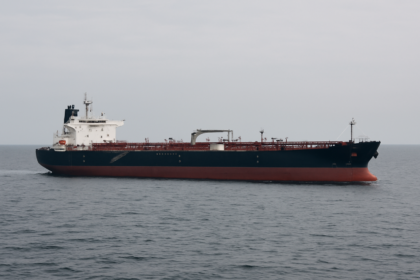
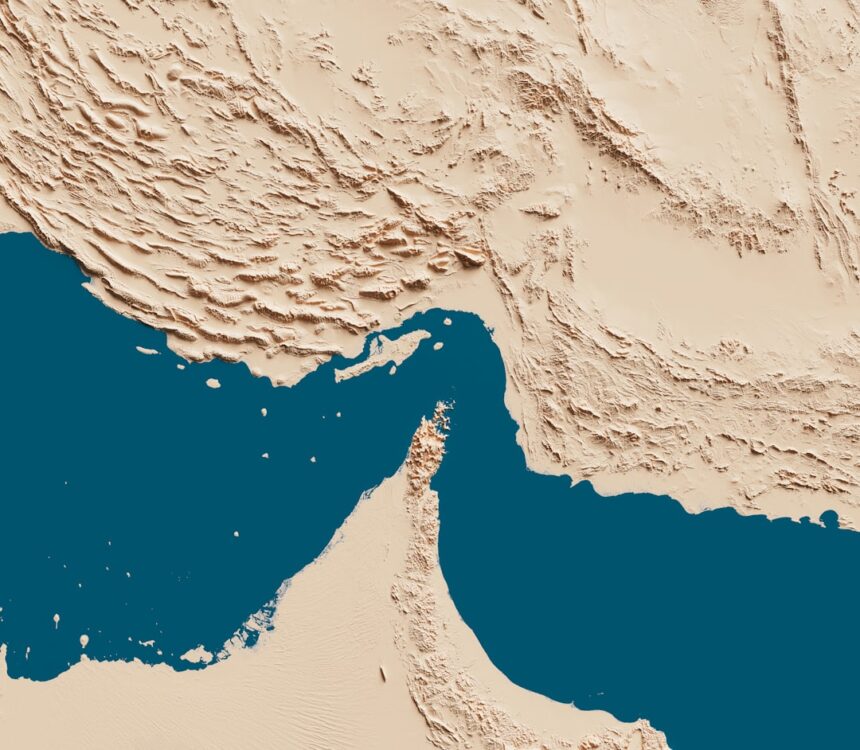
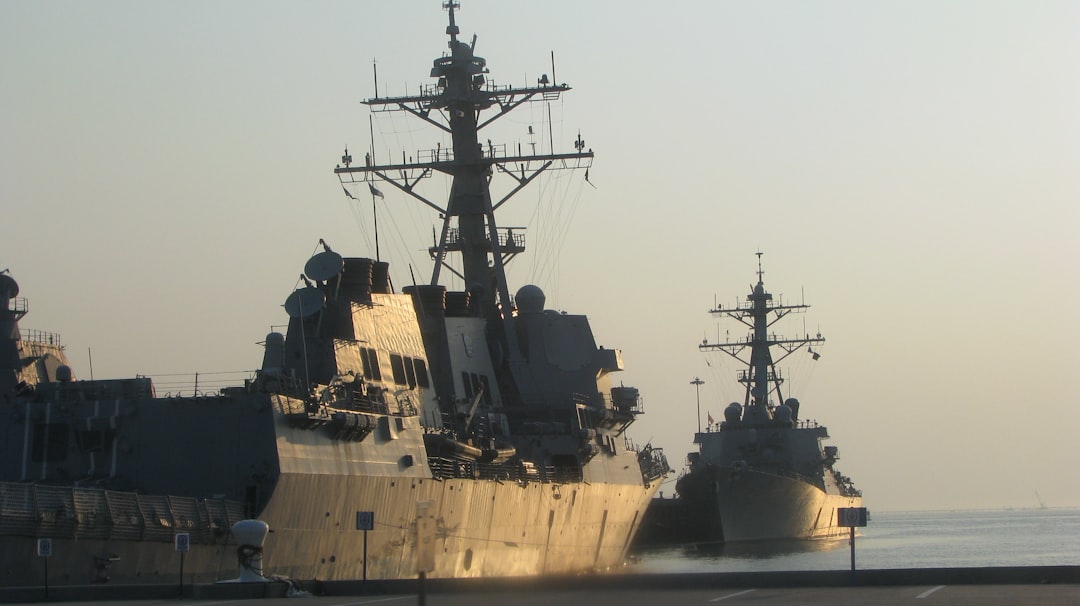
The United States military has declared the shipping lanes in the Strait of Hormuz free of mines, as per the announcement from Admiral Brad Cooper, the head of US Central Command. In a video statement released on Thursday night, Admiral Cooper detailed that US forces, including Navy divers, SEALs, and aircraft, successfully cleared the area over the past few months. This operation aimed to ensure the safety of one of the world’s busiest maritime chokepoints, vital for the transit of oil and gas.
The Operation
Admiral Cooper emphasized the meticulous nature of the operations and described the circumstances surrounding the mine clearance as “challenging and dangerous.” The visuals in the video included a detailed map and diagram underscoring the navigational safety now purportedly available to commercial shipping. Cooper declared that “international shipping lanes are open and momentum is building,” suggesting a return to normalcy in the strait’s operations.


Regional Skepticism
Despite the optimistic claims from US military officials, regional allies have expressed serious doubts regarding the actual safety of the shipping lanes. Several sources indicate that the number of mines laid by Iran remains significant, estimated between 80 and 150, and that operations might not have cleared all threats in the waterway. An unnamed source familiar with the assessments mentioned that previous figures regarding mine clearance might be outdated, stirring concerns about the ongoing navigational hazards.
These apprehensions are critical given that the Strait of Hormuz is not only pivotal for oil shipments but also a strategic choke point for natural gas and fertilizers. Since the onset of increased military tensions in February, the strait has witnessed a decline in commercial shipping activity, exacerbated by fears of possible mine threats and attacks on vessels operating in this region.
Implications for Shipping and Sanctions
In light of these developments, US Treasury Secretary Scott Bessent noted that over the past fortnight, 130 million barrels of oil have been successfully transited through the Strait, signaling ongoing activity despite regional threats. In tandem with military efforts, the US government is working on an extensive sanctions strategy aimed at isolating Iran economically, further complicating the geopolitical landscape. With Iran insisting on its control over the strait and engaging in agreements with neighboring Oman, the situation remains fluid.
The Operational Read
The declaration of a mine-free Strait of Hormuz presents an optimistic front for commercial operators keen on resuming standard operations in this critical maritime corridor. However, the conflicting assessments by regional allies underline the need for heightened vigilance among shipping companies, charterers, and crews operating in the area. The potential for remaining mines could lead to increased insurance premiums and operational delays, as risk management measures are likely to become a priority for vessels transiting this key route. Observations regarding the actual safety conditions will dictate the level of compliance and the routes taken by operators in the coming weeks.