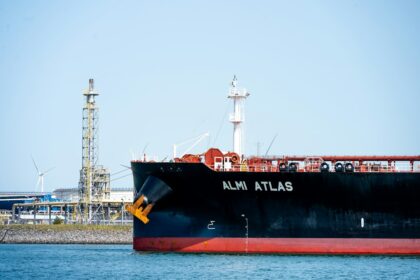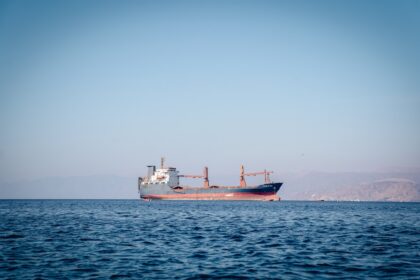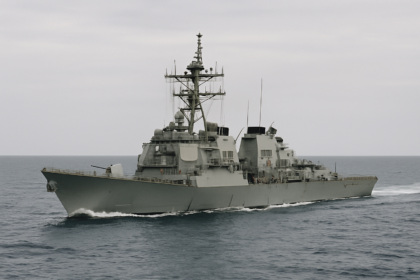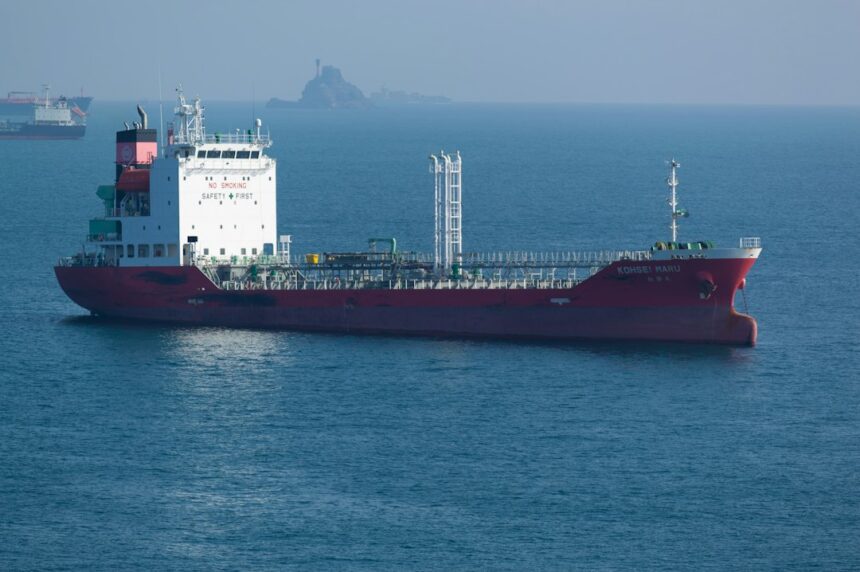
On Saturday, the Iranian Revolutionary Guards Navy announced that two oil tankers caught fire after hitting naval mines while navigating the Strait of Hormuz. According to reports from the official Iranian news agency IRNA, both vessels were carrying around two million barrels of crude oil at the time of the incident.
The state media indicated that the tankers had deactivated their positioning and radar systems, opting for a route not sanctioned by Iranian authorities. This unauthorized navigation led to the second vessel becoming immobilized after the mine strike, while further details regarding the condition of the first vessel remain unclear.
The Regional Context
The incidents occur amid rising tensions surrounding the Strait of Hormuz, a critical artery for oil shipping. Disruptions in this key route, exacerbated by the ongoing conflict between the U.S. and Israel and their adversaries, have resulted in climbing global energy prices and inflation rates.


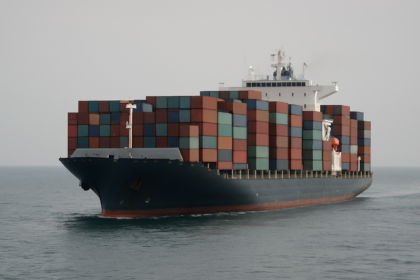
Recent data indicates that various merchant vessels in close proximity to the strait also encountered significant threats, including a container ship and a dry bulk carrier that sank following projectile strikes in separate occurrences earlier in the week. Reports suggest a growing number of maritime attacks, contributing to a volatile shipping climate and escalating security concerns.
Implications for Shipping Operations
The uptick in naval mine incidents, coupled with the aggressive maritime stance from Iran, presents serious challenges for shipping operators in the region. Companies may need to reconsider transiting through the Strait of Hormuz, especially if operating under the increased risks associated with unauthorized routes and the potential for mine strikes.
Analysts warn that these developments could prompt shipping lines to implement heightened war-risk premiums and reroute vessels to avoid the strait, potentially leading to longer transit times and higher freight costs.
The Operational Read
The incidents in the Strait of Hormuz underscore the operational realities shippers face in conflict-prone areas. The use of naval mines could signal a shift in maritime tactics, necessitating more robust risk management strategies for companies operating in such environments. Operators must be vigilant, adapting navigation methodologies to prioritize safety while navigating potential geopolitical hazards. Additionally, the market may witness shifts in shipping costs as companies are compelled to reassess routes amidst rising tensions. Continued monitoring of this vital chokepoint is essential for anticipating changes in market dynamics, insurance rates, and overall shipping viability.