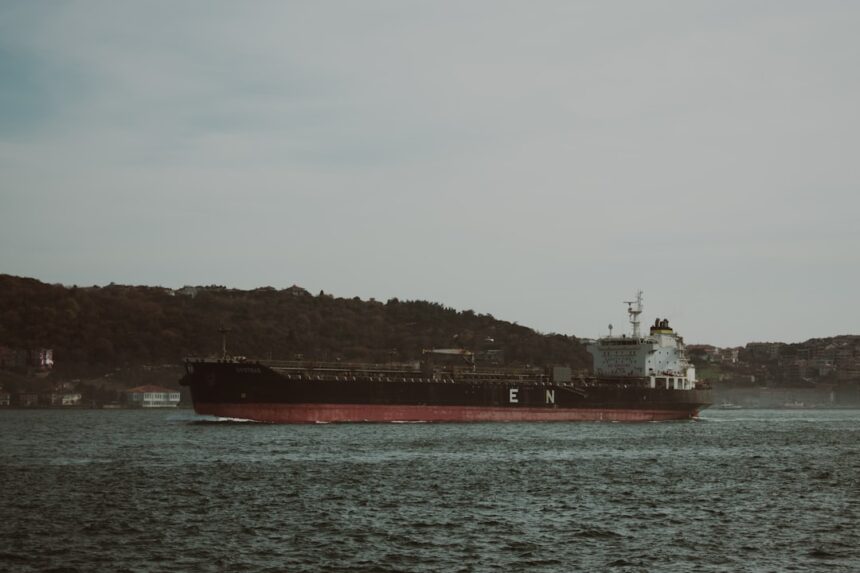
A recent incident involving an oil tanker in the Strait of Hormuz has escalated tensions in a critical maritime corridor. Early Tuesday, the United Kingdom Maritime Trade Operations (UKMTO) reported that a projectile struck an oil tanker nine nautical miles northeast of Ash Shishah, Oman. The strike resulted in damage to the vessel’s engine room, rendering it disabled, although all crew members were confirmed safe.
The UKMTO did not disclose the nationality or intended route of the affected vessel. However, this event takes place against a backdrop of increased hostilities in the region. Since the U.S. and Israel commenced operations targeting Iranian assets in late February, Iran has pursued a strategy of assertiveness in the Strait of Hormuz, including a stated blockade and imposed tolls on vessels navigating its waters.
The Broader Context
The Strait of Hormuz is one of the world’s most vital maritime chokepoints, facilitating approximately one-third of global seaborne oil shipments. The recent projectile attack on the tanker underscores the mounting risks faced by shipping operators in this region, where Iran has been accused of targeting vessels it believes are bypassing its preferred shipping routes. This tactic aligns with Iran’s broader military and economic strategies designed to exert control over this key transportation artery.

Following Monday’s comments from U.S. Treasury Secretary Scott Bessent regarding a framework for the “economic asphyxiation” of Iran, the maritime community remains on high alert. Increased scrutiny and potential retaliatory measures may be enacted as tensions rise, complicating the operational landscape for global shipping stakeholders.
Potential Implications for Operators
As security concerns proliferate due to incidents like this, shipping operators may need to reevaluate their risk management strategies when transiting the Strait of Hormuz. The dangers presented by maritime attacks or harassment could lead to increased operational costs, including higher war-risk premiums for insurance and contingency planning for rerouting when necessary.
Additionally, the geopolitical dynamics in play necessitate close monitoring of ongoing naval maneuvers by regional powers, particularly Iran’s aggressive posture within the Strait. Engaged stakeholders must consider adjusting their logistics and supply chain strategies to accommodate shifting conditions in this critical maritime zone.
The Operational Read
The incident serves as a stark reminder of the vulnerabilities inherent in navigating the Strait of Hormuz. With several nations’ economic interests tied to shipping operations in this corridor, the ongoing threat of maritime disruption may lead to significant adjustments in operational protocols. Operators may increasingly seek to integrate risk assessments that account for geopolitical developments, ensuring they are prepared for the unexpected. Enhanced coordination with naval authorities and intelligence agencies could prove vital in maintaining the safety of vessels traversing this strategically important waterway.