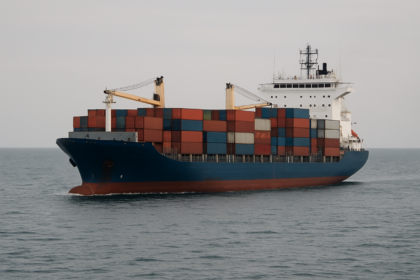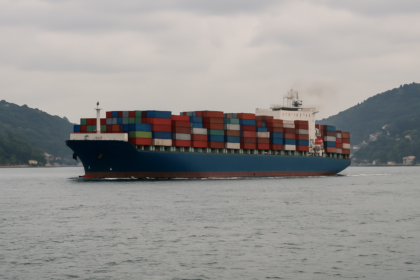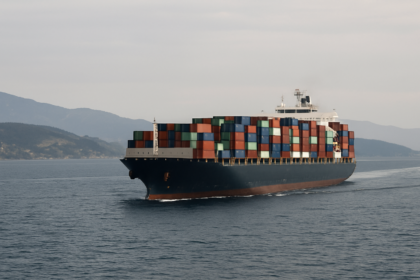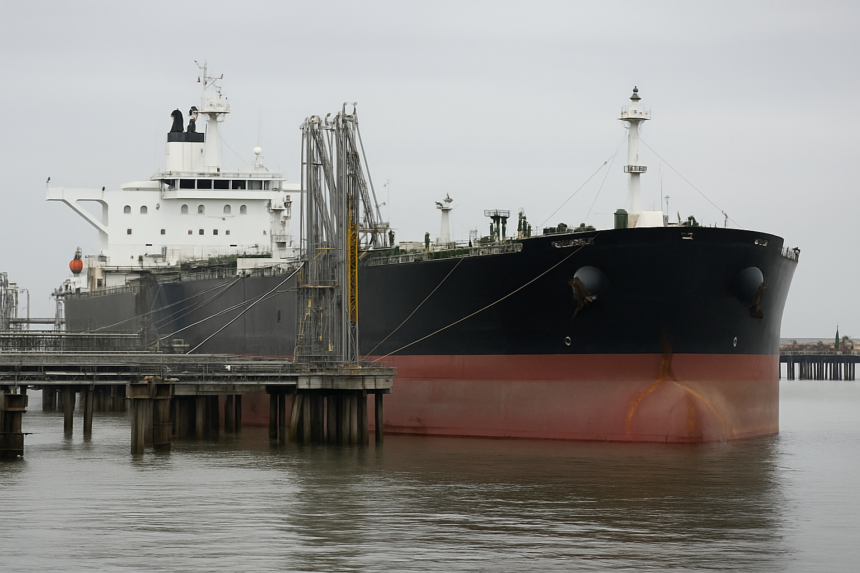
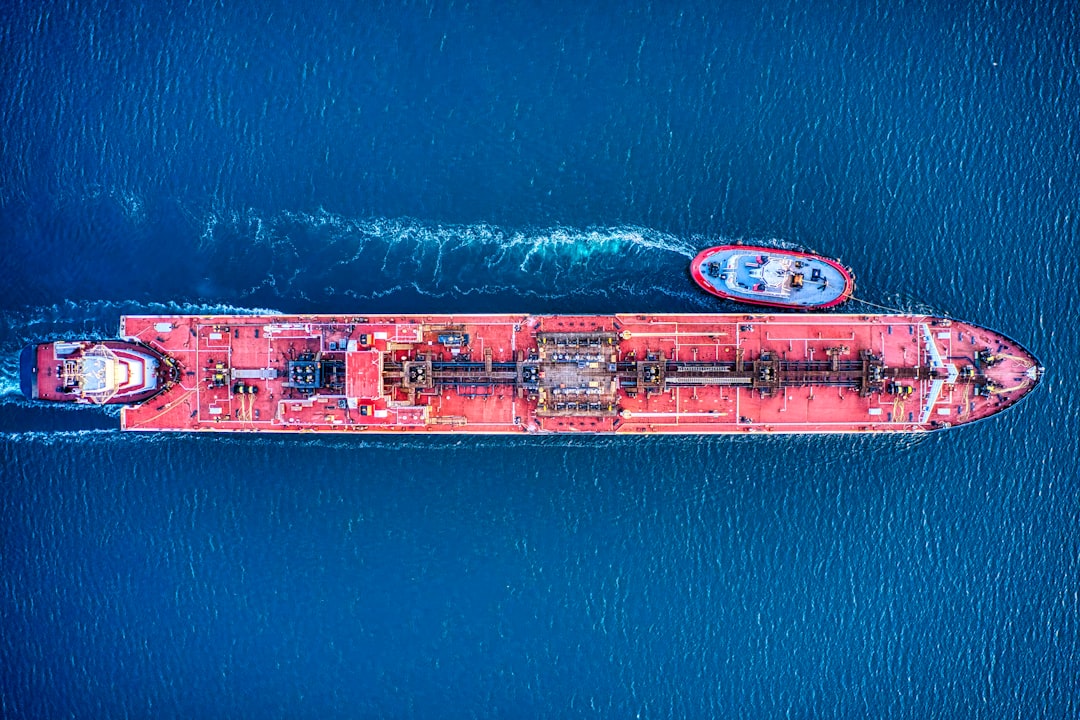
On July 1, reports emerged that Russia commenced seaborne imports of gasoline from India to alleviate significant fuel shortages resulting from conflict-related damage to its energy infrastructure. Two industry sources confirmed that the first shipments have already been dispatched, with estimates indicating at least 60,000 metric tons of fuel received.
Fuel Shortages Across Russia
The ramifications of Ukrainian drone strikes on Russian oil refineries have become apparent, with reports of severe fuel shortages manifesting as rationing and extensive queues at petrol stations across the nation’s 11 time zones. Russia’s energy consumption peaks during the summer, reaching a critical demand of 110,000 tons per day, exacerbating the urgency of the situation. In parallel, President Vladimir Putin noted the challenges posed by these strikes during a meeting, assuring that measures are in place to manage fuel supply issues.
International Fuel Strategies
In light of the current energy crisis, Russia’s plans include a significant monthly import target of 400,000 tons of gasoline sourced from various countries. This figure encompasses a continuous supply from neighboring Belarus, which has already ramped up its gasoline exports to Russia. Recent data indicated that Belarus almost tripled rail shipments, contributing over 70,000 tons in June alone.


Analyzing the broader implications of this shift, India’s refining sector has also turned towards Russian crude oil imports, which surged to a historical average of approximately 2.7 million barrels per day in June, now accounting for over half of India’s overall imports as refiners seek to offset disruptions from the Strait of Hormuz.
The Operational Read
The strategic importation of gasoline from India highlights the intersecting pressures of geopolitics and energy demand in the current global landscape. Operators must navigate a complex environment where supply chains are being reconfigured to accommodate abrupt changes in fuel availability. The increasing reliance on international suppliers raises concerns about the long-term sustainability of Russia’s fuel provisions. Continued monitoring of refinery capacities, both in Russia and India, will be necessary as demand fluctuates and geopolitical tensions evolve. Observers should also watch for potential shifts in regulatory frameworks as Russia aims to stabilize its energy market amidst persistent external pressures.