In a sudden escalation, Iran has launched multiple ballistic missiles targeting American forces stationed in the Gulf, as confirmed by US Central Command. Fortunately, all projectiles were intercepted, preventing potential casualties and damage to US assets. This incident reignites hostilities that had waned in recent months, injecting fresh uncertainty into shipping operations through the critical Strait of Hormuz.
The Missile Attack
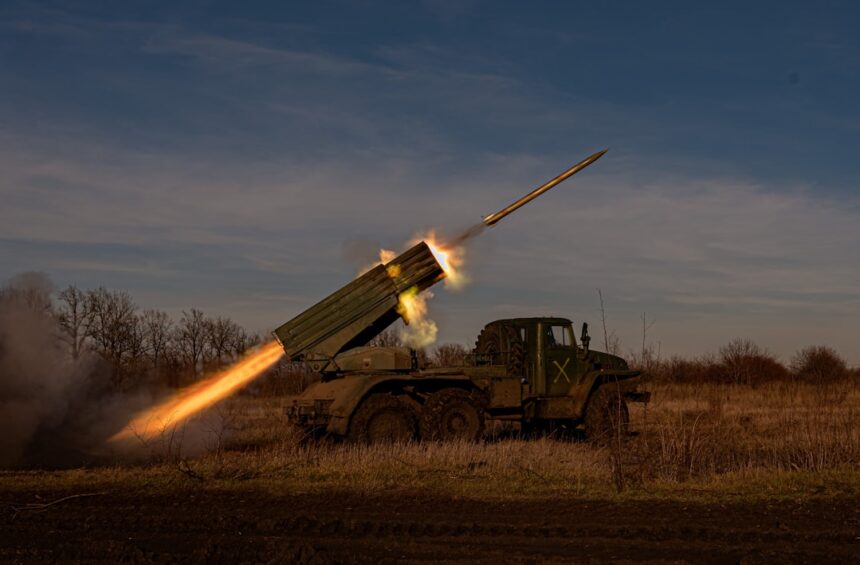
According to US Central Command, the unauthorized missile launch occurred on Tuesday and was swiftly countered, with air defenses managing to neutralise all threats. Jordan reported that its air defence systems played a significant role by successfully destroying five Iranian missiles that posed a risk to its security. This coordinated military action illustrates the ongoing volatility in the region.
Regional Impact on Shipping
The Strait of Hormuz remains one of the world’s most vital maritime chokepoints, with approximately 20% of global oil trade passing through its waters. The resurgence of missile attacks raises the spectre of increased war-risk premiums and potential disruption in shipping operations. Maritime operators are advised to evaluate their security protocols and consider alternative routing strategies to mitigate potential threats from the escalating tensions.


The Operational Read
The renewed missile strikes highlight the precarious nature of maritime operations in the Gulf region, underscoring the importance of situational awareness for operators and charters alike. The risk of military engagement can lead to increased insurance premiums and operational hesitations among shipping companies. In light of these developments, stakeholders should enhance their risk assessments and prepare for possible disruptions, while closely monitoring military movements in the affected areas.