The shipping industry has rallied in condemnation of escalating attacks on seafarers operating in and around the Strait of Hormuz. Major organizations, including BIMCO, the International Chamber of Shipping (ICS), INTERCARGO, and INTERCARGO, issued a statement on Friday expressing grave concern as confirmed fatalities among seafarers have reached 14 amid heightened maritime violence.
The Current Situation
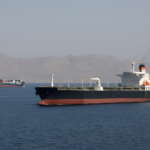
According to figures released by the International Maritime Organization (IMO), there have been 46 verified attacks on international shipping in the region since February 28, 2026. These incidents have raised alarms about the safety of merchant vessels and the personnel aboard them. The recent deaths of three Indian seafarers, following an attack on the tanker Settebello during U.S. enforcement operations, mark a significant escalation in maritime hostilities.
This context reflects a broader trend of deteriorating security in the Gulf region, where maritime trade is under increasing threat from military operations, enforcement actions, and retaliatory attacks stemming from geopolitical confrontations involving nations like the United States and Iran. The shipping industry organizations have called for an immediate cessation of attacks on merchant vessels and reaffirmed the need for compliance with international laws that protect civilian mariners.

International Response
The importance of seafarer safety was reiterated by IMO Secretary-General Arsenio Dominguez, who categorically condemned the attack on the Settebello. He stated that any act jeopardizing the lives of seafarers is entirely unacceptable. The shipping organizations emphasized that personnel aboard merchant ships should not be viewed as collateral damage in geopolitical conflicts.
The statement from the maritime leaders highlighted the reality that many seafarers operate under instructions that are beyond their control, often carrying cargoes or following routes dictated by external factors. This vulnerability poses significant risks when geopolitical tensions escalate into direct threats against commercial shipping.
Implications for the Maritime Sector
The joint statement from industry leaders reflects a growing urgency to prioritize the safety and operational integrity of merchant vessels. The organizations warned that military operations affecting maritime commerce must strictly adhere to the Law of Armed Conflict. This includes the application of necessary force when engaging in blockade enforcement and other military actions that impact civilian shipping.
Why It Matters
The ongoing violence in the Strait of Hormuz not only threatens the lives of seafarers but also poses considerable risks to the global supply chain and shipping operations. As incidents rise, operators are likely to face increased insurance premiums and operational challenges linked to geopolitical risks. Charterers may seek to avoid the region entirely, leading to potential market disruptions. The situation calls for vigilant monitoring and stronger protective measures for seafarers to ensure that commercial shipping lanes remain safe and accessible.