SmartSea has issued a warning regarding the urgent need for updated cyber training in the maritime industry, as advances in artificial intelligence (AI) are heightening cyber threats. According to Kris Vedat, CEO of the maritime technology firm, there is a significant gap between the rapid pace of digital transformation and the training provided to seafarers. Increased phishing attempts and cyberattacks reflect a troubling trend that demands immediate attention from the industry.

Current Threat Landscape
The proliferation of digital technology in maritime operations has made vessels more connected, increasing their vulnerability to cyber threats. SmartSea is tracking a surge in suspicious activities aimed at maritime organizations as cybercriminals leverage AI to execute more convincing attacks. These developments pose risks not only to navigation and communication but also affect operational technology and crew welfare.
Need for STCW Reforms
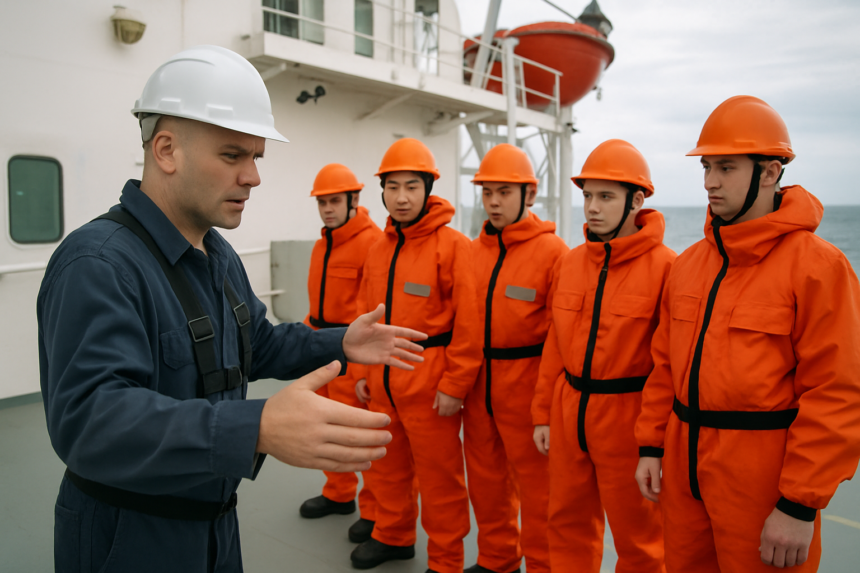
SmartSea advocates for the International Maritime Organisation (IMO) to prioritize cyber awareness within STCW (Standards of Training, Certification and Watchkeeping for Seafarers) discussions. Currently, cybersecurity is largely absent from the initial training received by seafarers, who routinely interact with digital platforms in their operational tasks. Incorporating cyber awareness into mandatory training standards would establish a uniform baseline of competency, reinforcing the message that cyber resilience is a critical component of maritime safety.

Shifting Training Paradigms
Kris Vedat notes that while not all seafarers need to be cybersecurity experts, a fundamental understanding of cyber hygiene and incident reporting is essential in today’s operational environment. The need for adaptive training standards is underscored by the evolving nature of maritime cyber risk, which has shifted from a solely IT issue to a fundamental aspect of safe and efficient vessel operations.
As evidenced by the U.S. Coast Guard’s Maritime Cybersecurity Rule, which mandates role-specific training for personnel on U.S.-flagged vessels, there is momentum for regulatory progress. However, this approach needs to be complemented with wider, internationally applicable training measures to enhance the resilience of crews aboard globally flagged vessels.
Why It Matters
The maritime industry’s increasing reliance on digital operations has exposed significant training gaps in cybersecurity awareness among seafarers. While emerging technologies present new efficiencies, they also elevate risks, particularly with AI-fueled attacks becoming more prevalent. It is imperative for shipowners, training providers, and industry bodies to collaborate on elevating training standards, ensuring that the maritime workforce can effectively identify and mitigate potential cyber threats. Establishing these standards through STCW would not only improve operational safety but also represent a proactive response to a rapidly evolving digital environment.