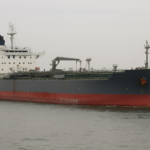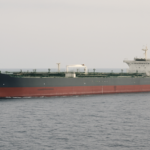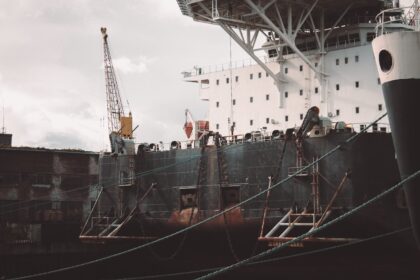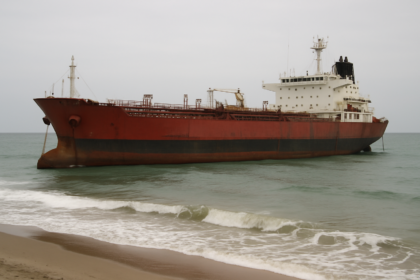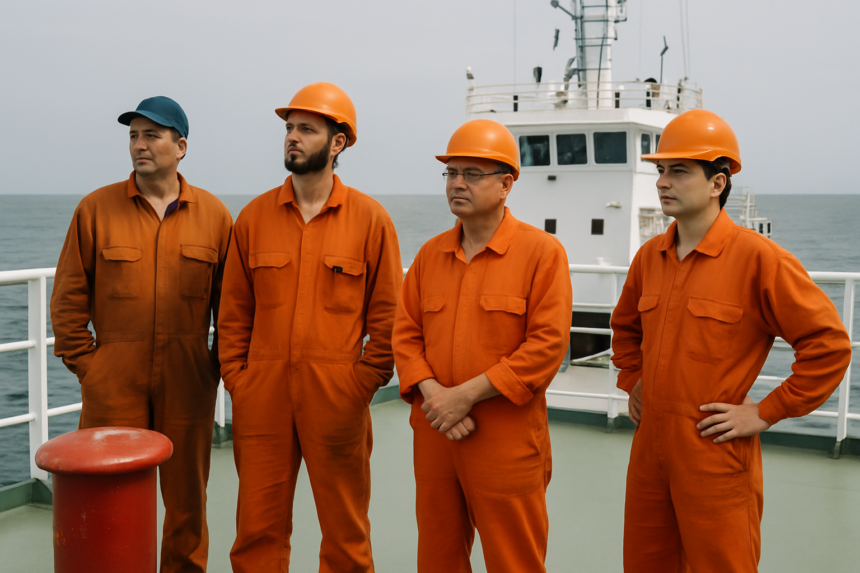
On June 12, 2026, a U.S. military strike claimed the lives of three Indian mariners aboard the Palau-flagged tanker Settebello, escalating concerns over maritime safety in the Gulf region. The attack, described as a precision strike on the vessel’s engine room, was justified by U.S. Central Command, which stated that the crew had repeatedly failed to comply with directives from American forces. This incident arises in the context of a broader military blockade against Iranian oil exports amid ongoing tensions stemming from the Iran conflict.
The Incident
The mariners, including Shivanand Chaurasia, who was the primary breadwinner for his family with young children, were part of a crew of 24 Indian nationals. Sushila Devi, Chaurasia’s wife, expressed deep sorrow and called for more governmental action to protect seafarers. Following the attack, India’s foreign ministry summoned the U.S. chargé d’affaires to express “deep concern over the use of lethal and deadly force against civilian shipping.” This diplomatic démarche represented only a portion of the broader frustration regarding the escalating risks faced by Indian seafarers.
Government and Industry Response
The Indian government has faced criticism for its perceived inadequate response to these maritime attacks. Analysts, including Brahma Chellaney, argue that India’s diplomatic gestures have not matched the seriousness of the threats, particularly when compared to the reactions typically elicited from other nations in similar circumstances. With India being the world’s second-largest supplier of seafarers, the conflict poses significant economic implications alongside humanitarian concerns. Critically, calls have grown for the Prime Minister, Narendra Modi, to engage directly with U.S. President Donald Trump during the upcoming G7 summit to address these incidents further.


Another vessel with 20 Indian crew members was reportedly attacked shortly after the Settebello incident, though there were no casualties. This pattern of violence raises alarms about the safety and security of Indian maritime workers across affected regions.
Why It Matters
The recent U.S. strike highlights the growing hazards in key maritime corridors, particularly those linked to the Iran conflict and its wider implications for global oil supply. Indian shipowners and operators now face rising operational risks while attempting to secure and maintain the safety of their crews. As these incidents accumulate, they may have lasting effects on recruitment within the maritime labor market, exacerbating existing workforce shortages. Future actions by the Indian government will be closely watched, especially in diplomatic engagements aimed at protecting national interests and ensuring the safety of its maritime workforce in increasingly dangerous waters.