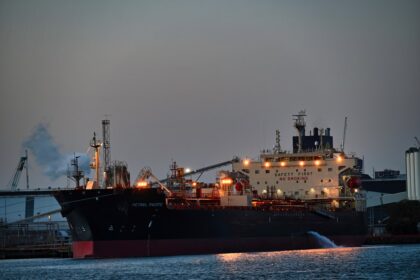
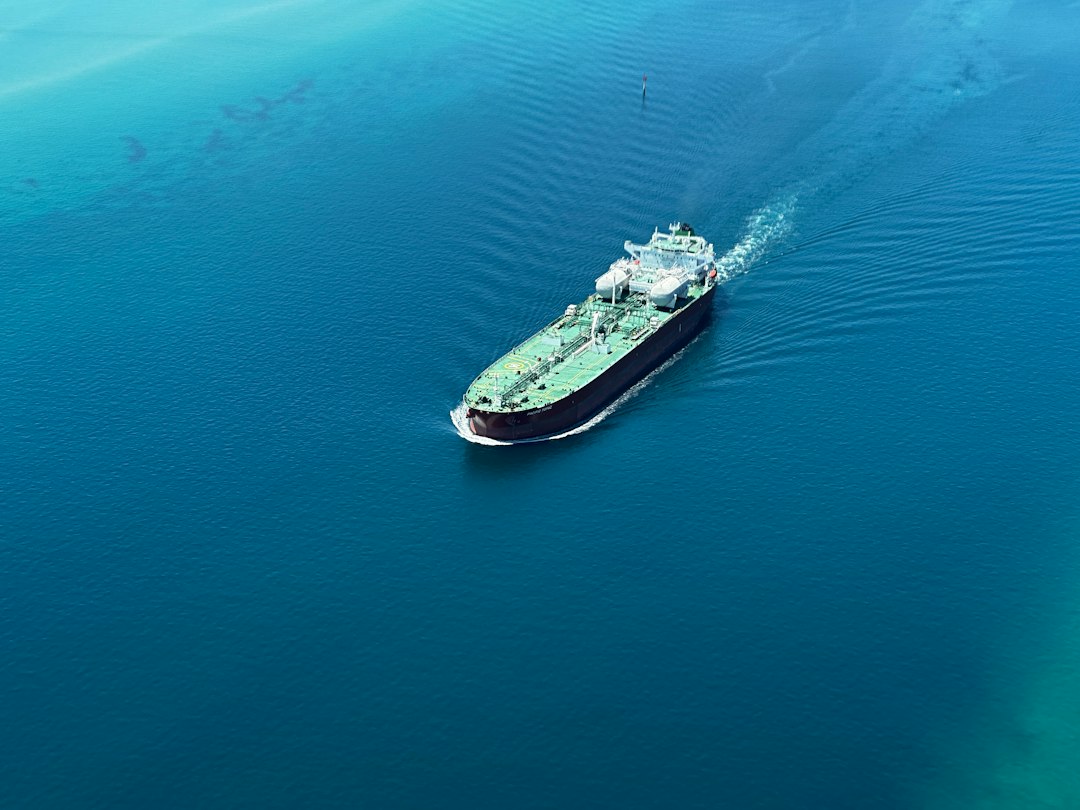
In a strategic escalation of its sanctions campaign, the US government has identified five tankers belonging to Cuba as blocked property. This action is part of a broader initiative aimed at crippling the oil shipping network that supports the Cuban government’s military operations and revenue generation. The sanctions were announced by the US State Department, underscoring the ongoing geopolitical tensions in the region.
The Targeted Entities
Alongside the blockade of the five tankers, the US has also targeted eight companies and two individuals involved in managing these vessels. The companies identified primarily operate from Cyprus, Panama, and Havana, indicating an international dimension to the sanctions that could ripple through global shipping operations.
Geopolitical Context
The sanctions reflect a concerted effort by Washington to diminish the financial resources available to the Cuban regime amid ongoing international scrutiny. The restrictions could limit the ability of identified entities to conduct maritime activities, thereby affecting oil supply chains linked to Cuba. This direct action widens the scope of enforcement against entities perceived as supporting the Cuban military and government.

The Operational Read
The enforcement of these sanctions poses a significant operational challenge for shipping companies. With increased regulatory scrutiny, operators must assess the compliance frameworks of their partners, especially in regions with complex affiliations. The potential need for rerouting of shipments and heightened due diligence will demand resources and strategic planning from affected companies. Industry watchers should closely monitor how this development may reshape shipping lanes and the broader market dynamics around oil supply to the Caribbean region.