Update 09 Sep 2026, 14:33 UTC:
On September 9, 2026, the Consultative Shipping Group, comprising 18 of the world’s leading shipping nations, issued a stark warning regarding the suffocating fractures emerging in global trade due to escalating armed conflicts, trade wars, and extreme weather disruptions. This rare statement, published by Denmark’s maritime authority, underscored that these issues are not merely isolated incidents but indicative of a broader, structural shift in the dynamics of global shipping.
Global Implications of Regional Conflicts
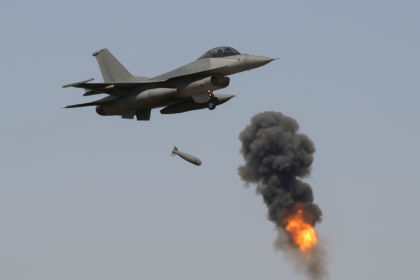
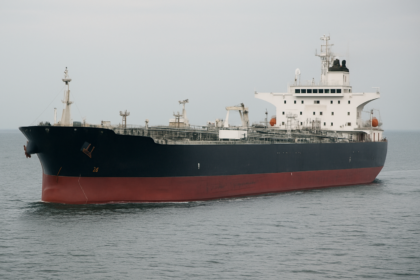
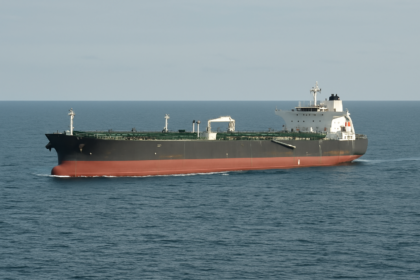
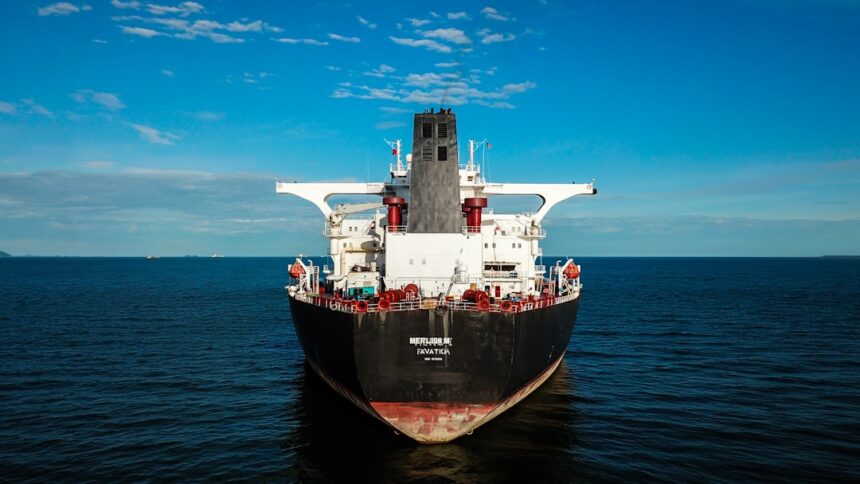
The ongoing turmoil, particularly in the Strait of Hormuz, illustrates significant vulnerabilities in maritime trade routes. Following recent military actions in the region, including US and Israeli strikes, the strait has effectively become less navigable. This has culminated in a notable spike in oil, fuel, and natural gas prices, further exacerbating global inflationary pressures. According to this joint statement, the closure of vital trading routes has dire implications for the integrity of the international maritime framework, indicating that fragmentation of supply chains equates to economic fragmentation.

Impact on Maritime Safety and Planning
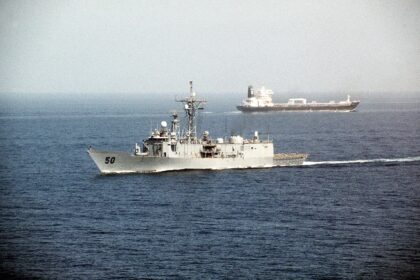
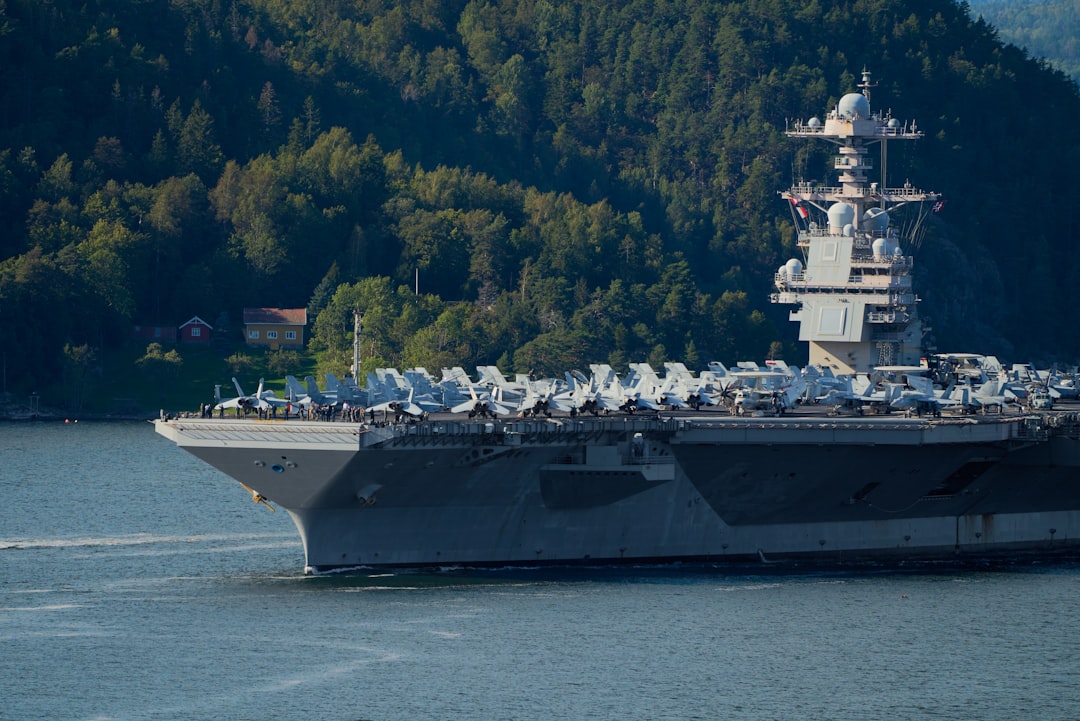
Despite US assurances regarding naval escorts for transiting vessels, industry executives express hesitation to navigate these perilous waters, citing the risks associated with potential drone attacks. Reports suggest that US officials have advised maritime operators to exercise caution in exiting the Persian Gulf, reflecting an atmosphere of caution amid heightened geopolitical tensions.
Furthermore, the ongoing trade war involving the US and China presents its own set of complications, particularly with tariffs set to expire in November unless extended. The potential reintroduction of increased tariffs could provoke panic within the shipping sector, impacting 80% of global commerce transported by sea.
Strategic Concerns for the Shipping Industry
The statement from the Consultative Shipping Group pointedly illustrates the vulnerabilities faced by the shipping industry, revealing how regional tensions directly influence global trade routes. The marked shift towards using economic pressure as leverage risks further isolation of maritime trade, as countries pursue divergent policies. Shipping operators are, thus, left grappling with unpredictability in commercial planning and future port access.
The Operational Read
The warning issued by the Consultative Shipping Group signals a critical shift in perspective regarding maritime operations. Increased geopolitical tensions necessitate a reevaluation of risk management strategies for shipping operators, particularly in volatile regions like the Strait of Hormuz. The uncertainty created by military actions and trade disputes complicates logistical planning, setting the stage for potential fragmentation of established supply chains. Operators must remain vigilant, monitor developments closely, and be prepared to adapt their routes and strategies in response to evolving global maritime dynamics. Future operational resilience will hinge on flexible planning and risk assessments that take into account both emerging and recurrent geopolitical challenges.