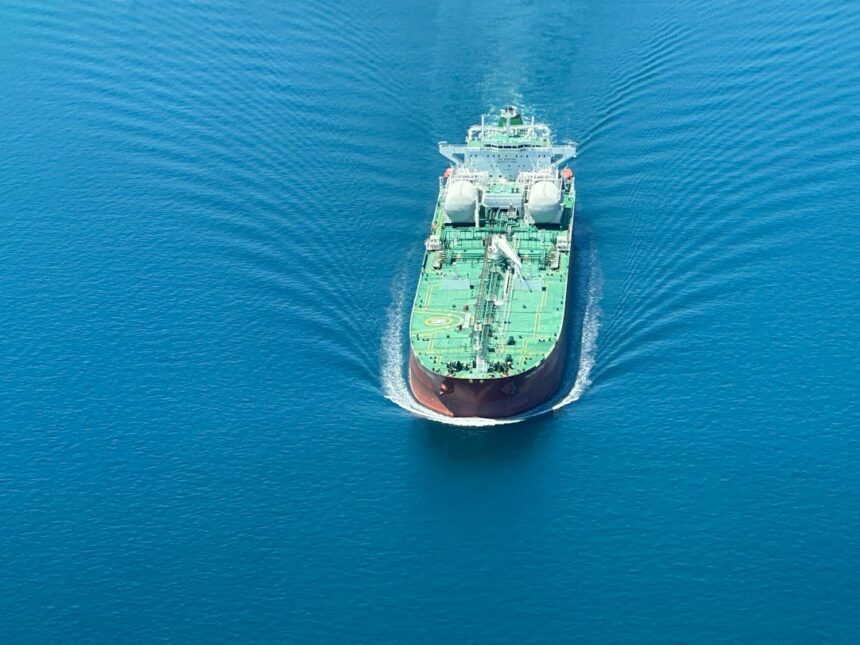
The prospect of a change in U.S. sanctions policy, discussed by officials at a conference in Riyadh, has created significant unease among maritime industry stakeholders. Reports indicate that the U.S. energy secretary suggested a potential easing of sanctions on certain entities, a move that could alter operational frameworks for tanker owners navigating the volatile Strait of Hormuz.
Rising Maritime Threats
The Strait of Hormuz remains a critical chokepoint for global oil shipments, with approximately one-fifth of the world’s oil transiting through this maritime corridor. Recent weeks have seen a troubling increase in missile attacks targeting vessels in both the Strait of Hormuz and the Black Sea, further complicating the operational landscape for shipping companies. These developments underscore the heightened risk environment and the need for vigilance among operators.
Geopolitical Implications
Any easing of sanctions could signal a shift in U.S. foreign policy, impacting the delicate balance of power in the region. The potential for this policy change has significant repercussions for tanker operators, who must now consider the implications of accessing or avoiding specific waters. The comments from U.S. officials have fueled uncertainty, as tanker operators evaluate their strategies amid escalating tensions.

The Operational Read
The operational realities in the maritime sector demand acute awareness of geopolitical developments. For tanker operators, the possibility of eased sanctions may offer new opportunities, yet it also brings associated risks of rerouting and heightened war-risk premiums. The intricate balance between navigating actual threats and operational efficiency shapes decision-making processes. Stakeholders should monitor further announcements closely and prepare contingency measures to adapt to an ever-changing geopolitical landscape.