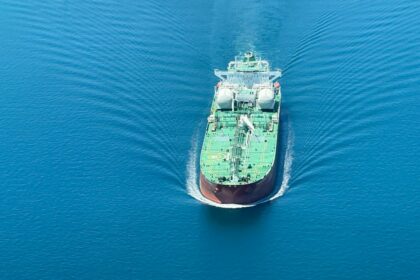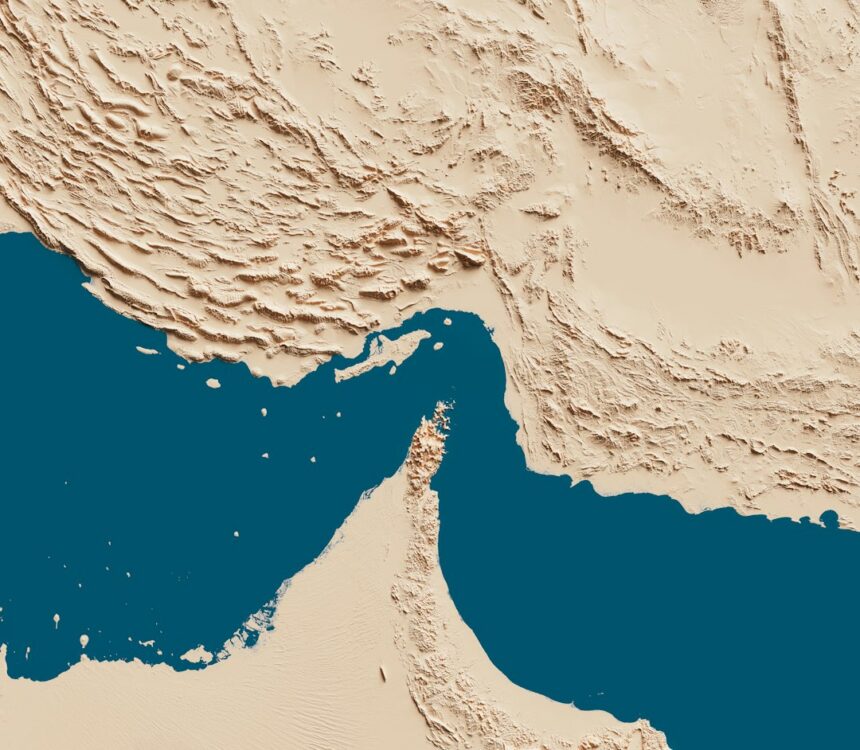
The UK Maritime Trade Operations (UKMTO) has reported a troubling rise in unreported attacks on merchant ships navigating the increasingly hazardous waters of the Strait of Hormuz. This admission comes amidst escalating tension between the United States and Iran, as both countries put forward conflicting claims regarding control over this vital maritime route.
Reporting Discrepancies
The UKMTO, in its latest overview published on Friday, acknowledged difficulties in accurately assessing the number of attacks occurring in the region due to insufficient reporting from affected vessels. The organization highlighted that many targeted ships either do not report incidents or opt to withhold details, limiting the ability to verify the extent of attacks independently.
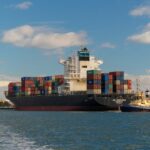
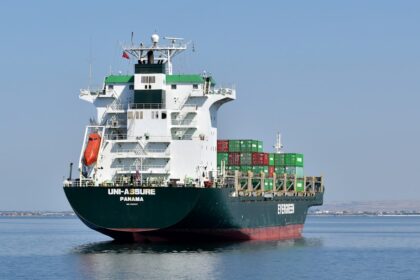
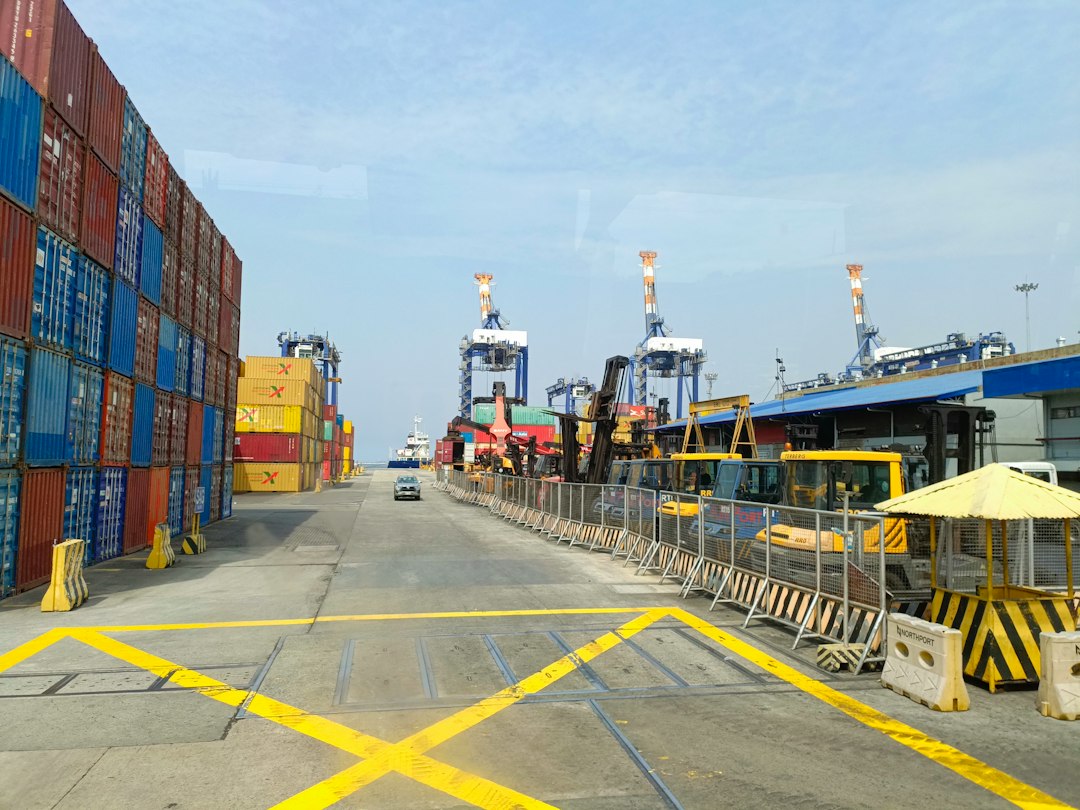
In its recent report, UKMTO recorded twelve attacks, with ten specifically occurring in the Strait of Hormuz. This included the unfortunate loss of the Singapore-flagged containership GFS Pride, which was reported struck by a projectile. The latest findings reveal that nearly three-quarters of recent strikes since July 6 occurred along the southern corridor of the strait, emphasizing the heightened risks faced by commercial shipping in this area.

Contrasting Claims of Control
In stark contrast to UKMTO’s insights, U.S. military officials maintain that they, along with regional partners, control the Strait of Hormuz. Admiral Brad Cooper, commander of U.S. Central Command, asserted in a recent video statement that the waterway remains “open for business,” despite ongoing Iranian threats. He reported that approximately 400 merchant ships transited the strait over the previous week, and U.S. forces facilitated the movement of over 100 million barrels of crude oil.
However, the figures released by UKMTO for the same week tell a different story. The organization recorded only 254 total transits, significantly down from the 275 reported the week prior, indicating a persistent decrease in vessel movements that stand approximately 70% below levels observed before the current conflicts.
Adding to the complexity, UKMTO’s records indicate that only 42 out of the 254 transits were verifiable through Automatic Identification System (AIS) data, with the rest compiled from U.S. reported facilitated transits, which lack independent verification. This discrepancy raises concerns regarding the reliability of the data being communicated to international stakeholders.
The Operational Read
The operational reality in the Strait of Hormuz underscores a precarious situation for shipping operators. With incidents of unreported attacks on the rise, the challenge of ensuring maritime safety becomes increasingly significant. The discrepancy between U.S. military assertions and UKMTO’s findings could lead to heightened war-risk premiums and operational caution among shipping companies. Monitoring ongoing developments, particularly patterns in attacks and verifiable transit data, will be crucial for navigating this volatile environment, and operators may need to consider alternative routes or increased protective measures to mitigate potential risks.