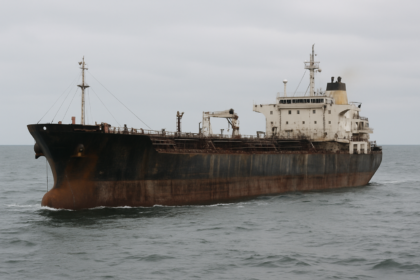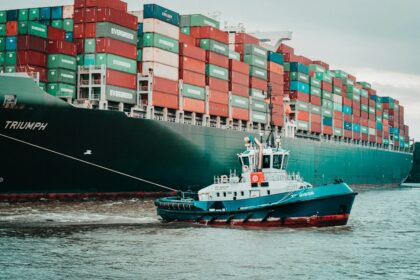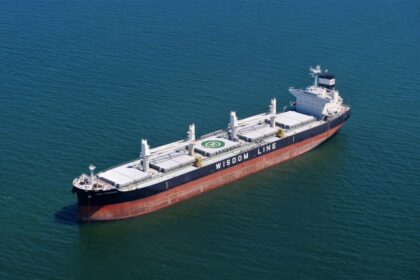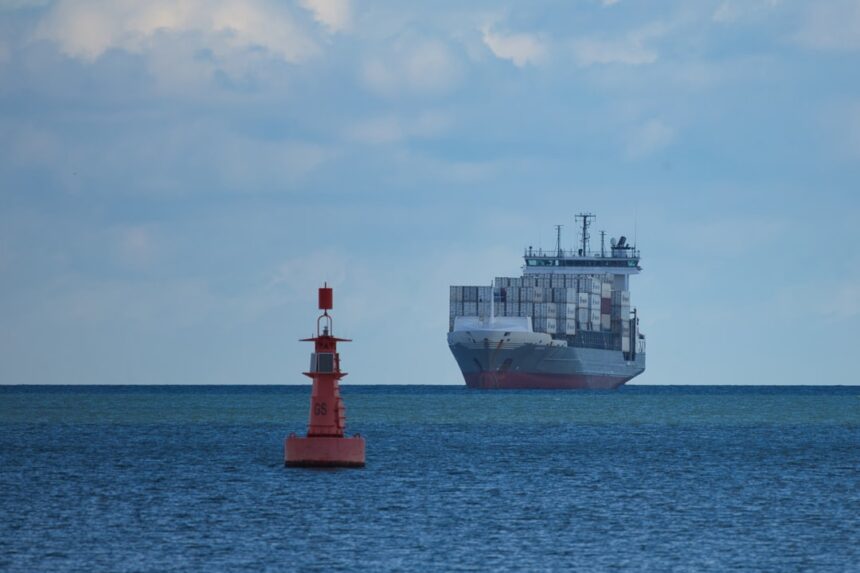
On August 30, European naval forces conducted a boarding of the oil tanker Sun, marking the sixth operation against a suspected vessel from Russia’s shadow fleet under the EUNAVFOR MED IRINI initiative. This action underscores the European Union’s commitment to disrupting illicit maritime activities supporting Russia’s ongoing war in Ukraine.
The Incident
The boarding was executed as part of surveillance activities in the Mediterranean and was conducted under Article 110 of the United Nations Convention on the Law of the Sea (UNCLOS). This provision allows naval forces to verify the nationality of merchant vessels suspected of operating under a false flag or lacking clear national registration. EU foreign policy chief Kaja Kallas indicated that the Sun was suspected of breaching international maritime law through such operations.
Notably, illegal oil sales from shadow fleet tankers are deemed a critical resource for Russia, prompting the EU to ramp up its enforcement activities. Earlier this month, naval forces boarded the sanctioned tanker Toa Payoh, which was sailing under the flag of Cameroon, as part of the same operational objectives. The master of the vessel reportedly declined to cooperate initially, leading Italian naval personnel to be deployed for further inspections from the frigate ITS Thaon di Revel. This operation concluded without incident, highlighting both the challenges and procedural rigor involved in flag-verification boardings.


Expansion of Enforcement Measures
Operation EUNAVFOR MED IRINI was originally established to enforce the United Nations arms embargo on Libya but has been adapted to include the authority to conduct flag-verification boardings following an earlier mandate change in 2023. This reflects a strategic shift aimed at addressing the complexities introduced by Russia’s shadow fleet, characterized by opaque ownership and frequent changes in registries and flags.
European officials have increasingly focused on suspect vessels within this network, as they often employ various tactics to evade sanctions, including ambiguous insurance arrangements and ownership structures. The EU’s authority now also extends to Operation ATALANTA, which targets piracy in the western Indian Ocean, further broadening its maritime enforcement capabilities.
Strategic Implications
The intensified focus on false-flag operations underscores a critical enforcement tool provided by UNCLOS, giving warships specific rights to approach and verify vessels whose nationality is uncertain. This week, EU defense ministers are set to discuss further measures against Russia’s shadow fleet in Ireland, indicating that maritime compliance and regulatory scrutiny will remain high on the political agenda.
Behind the Headline
The operational realities of confronting Russia’s shadow fleet demand not only maritime enforcement but also broader international cooperation. For shipping operators, the scrutiny of flagged vessels may create additional layers of complexity in operational planning and compliance. With strategic meetings among EU defense ministers, the willingness to disrupt established maritime trade routes for enforcement purposes suggests that a more proactive approach to compliance verification is on the horizon. Observers should monitor how these operations evolve and their potential impact on global shipping dynamics in light of ongoing geopolitical tensions.