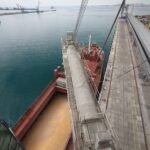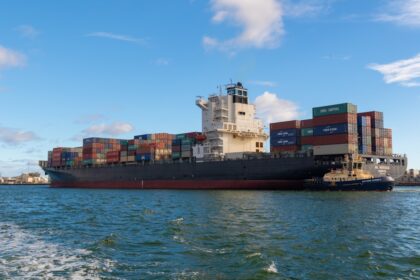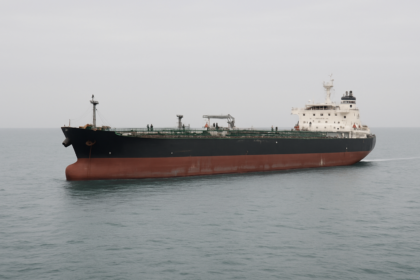
West P&I has underscored the importance of implementing can tests for nickel ore cargoes, as these can help mitigate risks associated with the transport of moisture-laden materials. The advisory follows increasing incidents where wet nickel ore has caused disastrous outcomes for maritime operators.
The Can Test Explained
The can test provides crews with a vital early warning regarding cargo that may appear solid but is in fact excessively wet. While this test does not replace laboratory analysis, it serves as a quick, initial assessment of moisture levels in nickel ore cargoes, which can be critical in maintaining vessel stability and ensuring crew safety.
Context and Industry Concerns
This year’s Day of the Seafarer highlighted the crucial role of seafarers in carrying the global trade while also managing the inherent risks that come with it. The focus on nickel ore transport, in particular, underscores an ongoing safety concern within the industry, as wet cargoes can lead to severe challenges at sea, including capsizing incidents.

Adoption and Implementation
It is imperative for shipping operators to adopt proactive safety measures such as the can test. The proactive use of such tests could potentially prompt operators to take corrective actions before setting sail, thus safeguarding both the vessel and its crew. Training for crews on how to conduct these tests and interpret their results remains critical in fostering a culture of safety and responsibility.
Why It Matters
The ongoing risks associated with transporting nickel ore underscore the critical need for industry-wide adoption of enhanced safety protocols. By integrating can tests into operational procedures, operators can improve pre-departure assessments, thereby reducing the likelihood of incidents related to unstable cargo. The maritime industry must prioritize such innovations to establish a safer working environment for seafarers while maintaining the integrity of cargo operations. As scrutiny around cargo safety intensifies, compliance with innovative testing methods and broader safety measures will likely become essential benchmarks for operators globally.