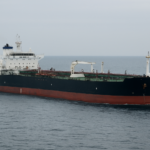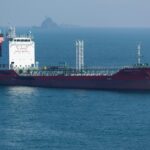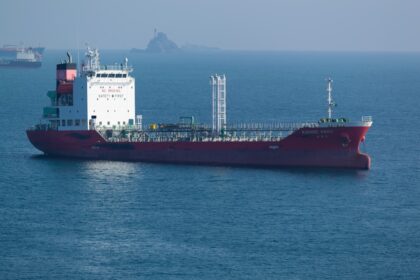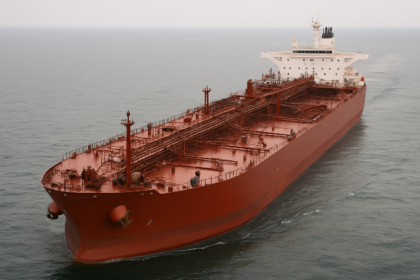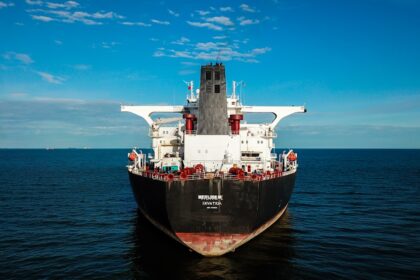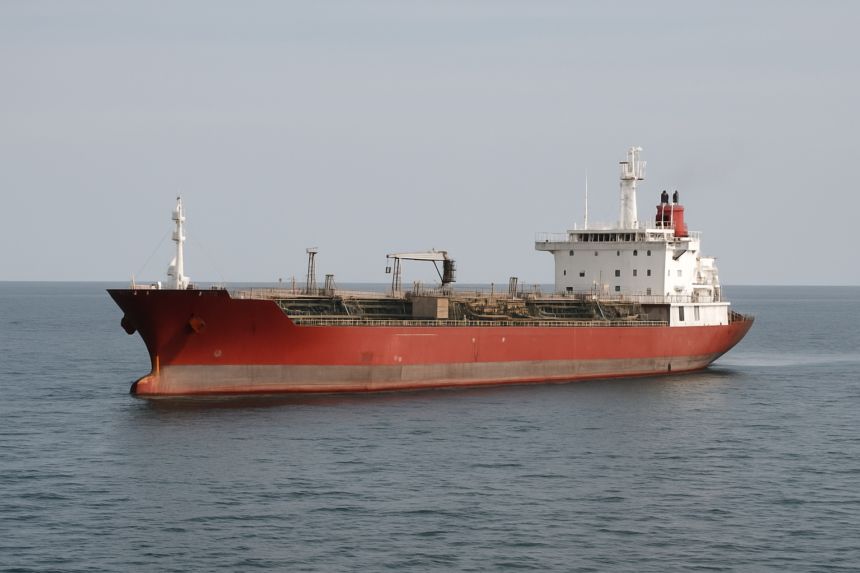
An Iranian missile attack on two UAE-flagged tankers in the southern Strait of Hormuz has left one Indian seafarer dead and eight others injured. The incident, which occurred within Omani territorial waters, has intensified geopolitical tensions in a critical maritime chokepoint.
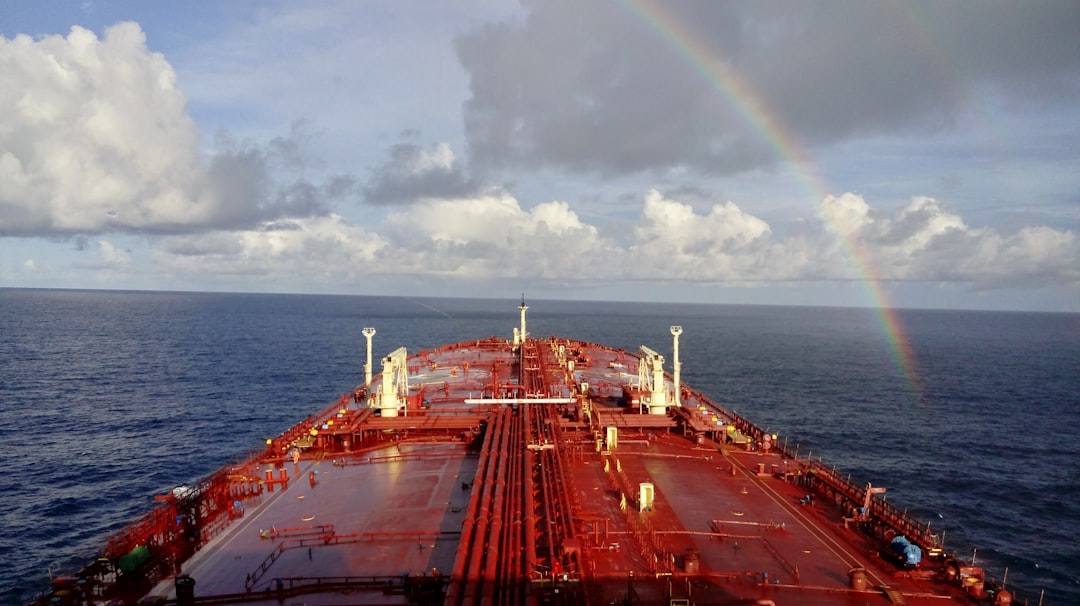
The Incident
The strike on Saturday targeted vessels operating under the United Arab Emirates’ flag, as confirmed by the UAE Ministry of Defence. This attack signifies a troubling escalation in hostilities, with operational safety for commercial shipping at risk. The Strait of Hormuz, a vital waterway for global oil trade, sees significant transit of crude oil and liquefied natural gas, making the security of this area paramount.
Geopolitical Context
This missile strike follows a period of heightened tensions between the United States and Iran. In response to Iran’s maritime aggression, U.S. officials are reportedly considering measures to reimpose stricter controls and fees for vessels navigating through the Strait, a move that could impact operational dynamics for shipping companies. Such policies aim to deter further Iranian actions but might complicate trade routes and elevate costs for operators.


Market Reaction
In light of this incident, shipping operators are expected to re-evaluate their transit protocols and implement enhanced security measures. The risk associated with operating in the Strait of Hormuz is likely to lead to increased war-risk insurance premiums and potential rerouting to longer, safer passages. The attack highlights the vulnerability of maritime operations in high-tension regions, forcing stakeholders to assess the balance between trade flow and safety.
The Operational Read
The attack on the UAE tankers illustrates the fragility of maritime operations in the Strait of Hormuz, where geopolitical tensions can sharply disrupt logistical plans. Operators must now navigate the dual challenges of maintaining secure shipping routes while remaining compliant with changing regulatory frameworks and potential U.S. sanctions. Vigilance in risk assessment, along with adaptive operational strategies, will be crucial as the situation develops. Watch for potential industry shifts as companies seek to mitigate risks in one of the world’s busiest maritime corridors.