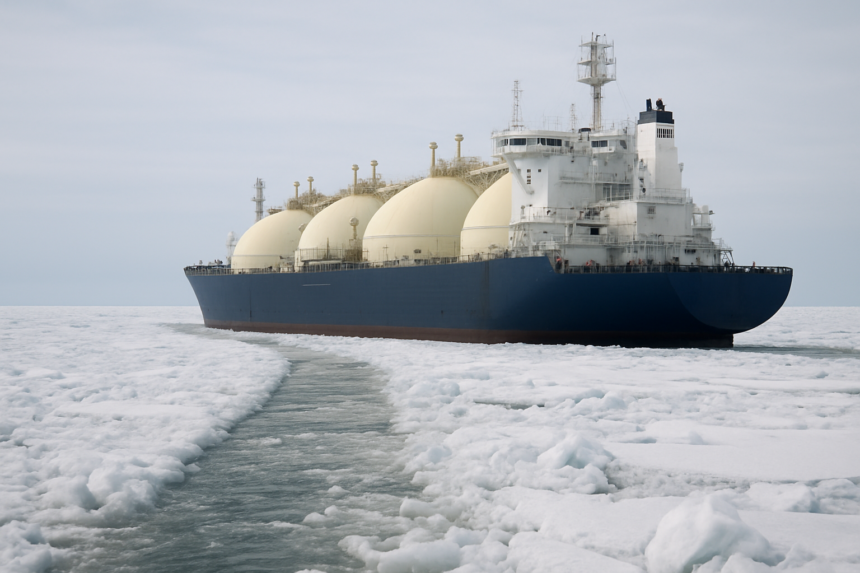
The Russian Arctic LNG 2 project faces significant structural challenges as TotalEnergies, a key foreign partner, prepares to divest its 10% stake. Authorized by a presidential decree from Vladimir Putin, Total will transfer its shares to Russian company Nordline, marking a pivotal moment for foreign investment in Russia’s gas sector amid ongoing geopolitical tensions.
Current Challenges for Arctic LNG 2
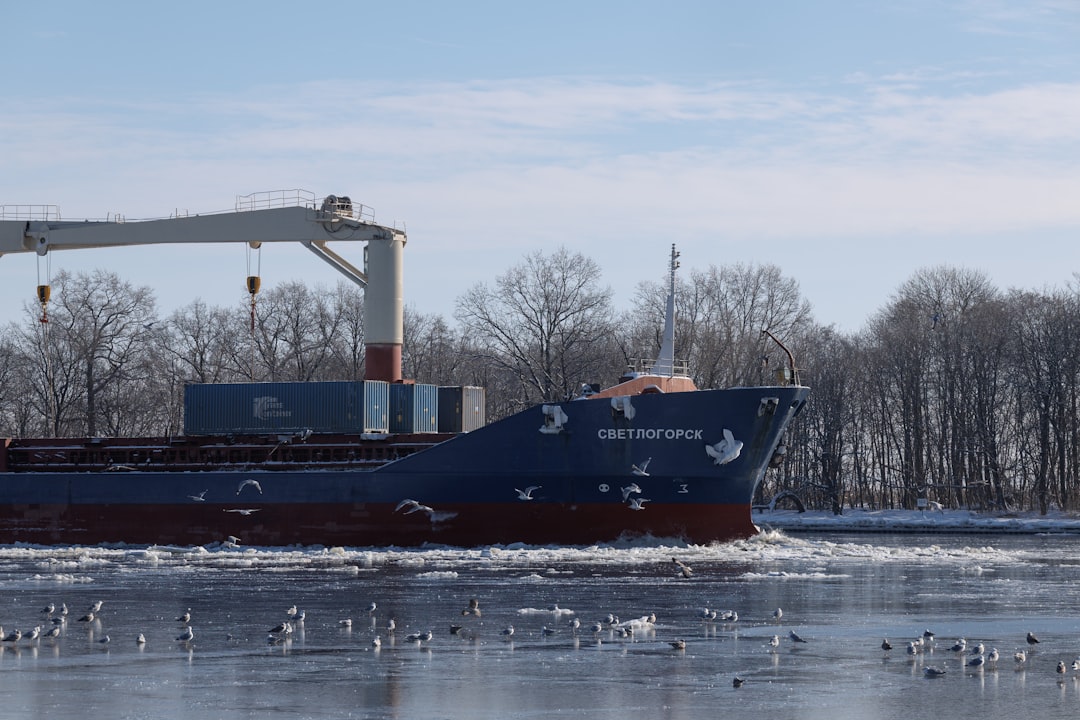
Despite substantial investments estimated in the billions, Arctic LNG 2 has struggled to meet its targeted production capacity due to Western sanctions, vessel shortages, and export restrictions. The project’s first production train, although completed, operates below capacity due to these challenges. Meanwhile, progress on the second and third trains has stalled significantly, with the latter facing a suspension in construction since 2024.
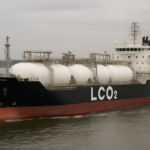
Initially designed to produce 19.8 million metric tons of LNG annually, Arctic LNG 2 relies on a specially built fleet of Arc7 icebreaking LNG carriers for navigation through the harsh Arctic waters. However, U.S. sanctions have severely hampered the delivery of new vessels, leading to a critical shortage of the required tonnage. This shortage has forced Russia to develop a shadow fleet to support its LNG operations.

Market Implications and Future Prospects
TotalEnergies had retained its stake longer than other Western companies following Russia’s invasion of Ukraine, citing that sanctions did not explicitly prohibit such ownership. Nonetheless, the exit underscores the evolving landscape for foreign investments in Russian energy projects.
Recent developments indicate that Novatek is endeavoring to revitalize the Arctic LNG 2 project, with large fabrication modules reported to be en route from China. This could signal a potential resumption of construction, although any progress will be contingent on overcoming shipping limitations and restoring the specialized vessel capacity needed for full-scale LNG production.
In contrast, Yamal LNG continues to function with a well-established fleet, successfully exporting substantial LNG volumes despite the geopolitical landscape shift. However, uncertainties loom as European buyers increase discussions about restrictions on Russian LNG imports, posing risks for operators reliant on these cargoes.
The Operational Read
The operational realities for stakeholders in Arctic LNG 2 present complex challenges, notably the interplay between sanctions and shipping logistics. For operators, the current shortage of specialized vessels is a critical issue that must be addressed to support planned output. The attempted reactivation of construction for the third train may hinge on timely vessel delivery and operational readiness of the shadow fleet. As markets adjust, operators need to stay informed about evolving sanctions and regional dynamics, which could impact both production capabilities and shipping availability in the Arctic corridor.