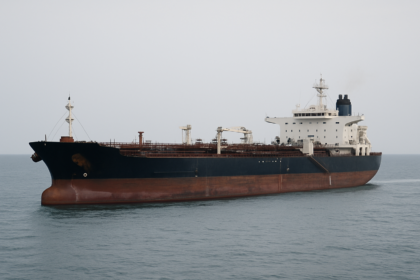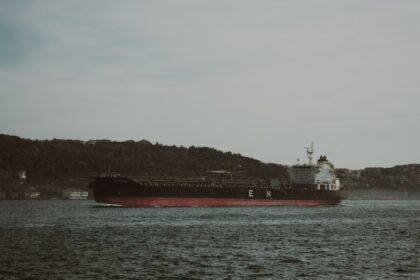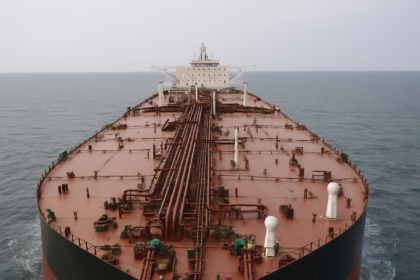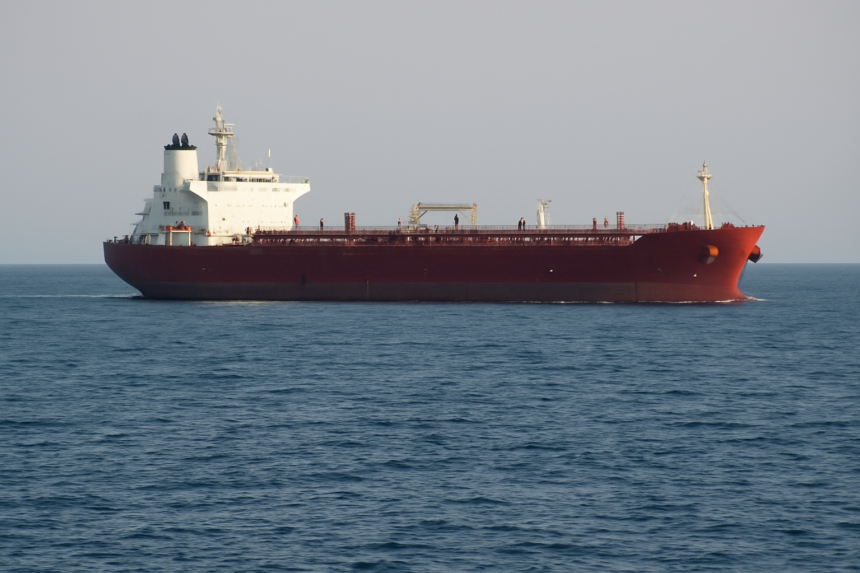
On June 18, three Saudi-flagged supertankers, carrying a total of six million barrels of crude oil, sailed through the Strait of Hormuz. This significant event occurred just hours after U.S. President Donald Trump signed a deal with Iran aimed at ending hostilities between the nations. According to ship tracking data, the movement of these vessels represents the largest departure from Saudi ports in several weeks.
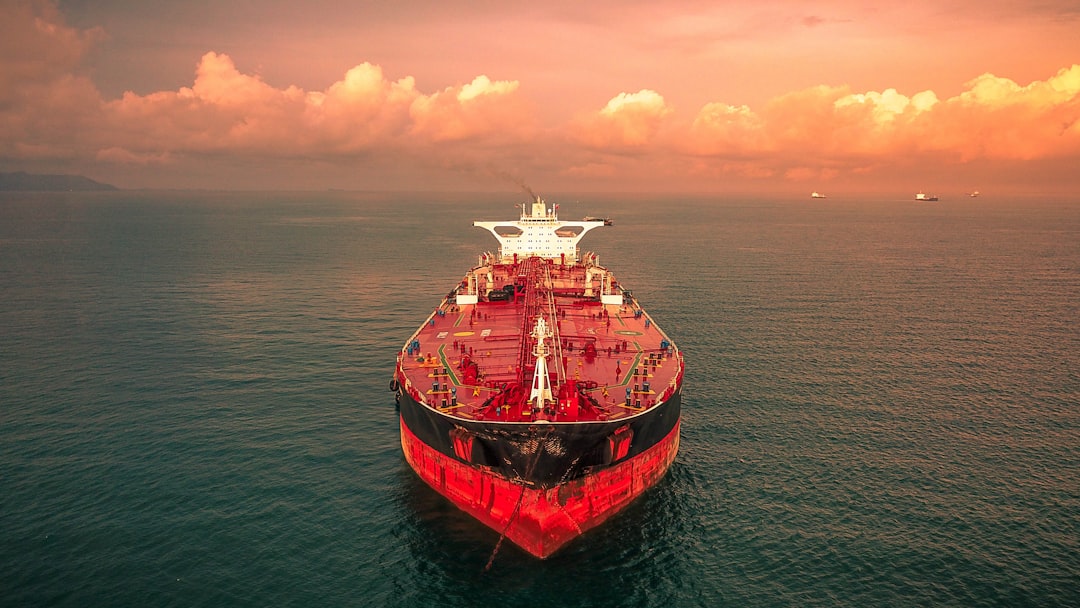
The tension between the U.S. and Iran had previously caused a cessation of tanker activity in the region, with many ships concealing their routes to avoid potential conflict. In light of the newly signed agreement, operators are resuming normal shipping routes, which could have positive repercussions for crude oil supply chains.
Increased Shipping Activity
Prior to the agreement, the Strait of Hormuz had become a focal point of concern, severely impacting crude oil exports from Gulf producers. Saudi Arabia had shifted much of its oil shipping operations to the Red Sea port terminal of Yanbu due to these conflicts, resulting in a significant decrease in tonnage transiting the Strait.

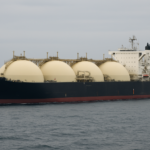
Beyond the Saudi vessels, other tankers also reported their positions in the strait on the same day. The Hong Kong-flagged Aframax tanker Tong Lin Wan, which had been idle in the Gulf since early March after loading naphtha from Abu Dhabi’s Ruwais Refinery, successfully navigated the strait on June 18. Similarly, the QatarEnergy-controlled LNG tanker Mraikh was also observed passing through, having loaded its cargo shortly before.
Market Implications
The return of these tankers to the Strait of Hormuz points toward a normalization of shipping operations in a key maritime chokepoint. The interim agreement between the U.S. and Iran, although fragile, suggests a potential reduction in maritime risk for operators in the region. However, vigilance remains necessary; President Trump’s warning of renewed military action if commitments are not met continues to loom over operational decisions.
As vessels gradually resume typical routes through the strait, stakeholders will be monitoring the effects on oil prices and the operational readiness of shipping companies. Land-based logistics and regional maritime security measures will also require assessment as the situation evolves.
The Operational Read
The recent transit of Saudi-flagged tankers through the Strait of Hormuz highlights the complex interplay between geopolitical developments and shipping operations. For operators, the resumption of traffic indicates a potential reinstatement of conventional shipping routes, which could ease shipping costs and demurrage associated with delays. However, the prevailing geopolitical landscape remains unpredictable. Companies must remain agile, balancing supply chain efficiency with risk management strategies as the regional situation develops further.