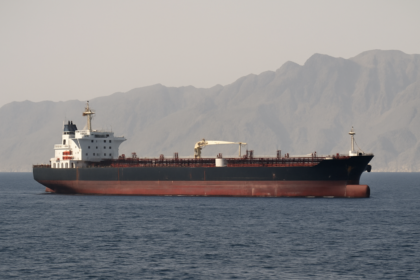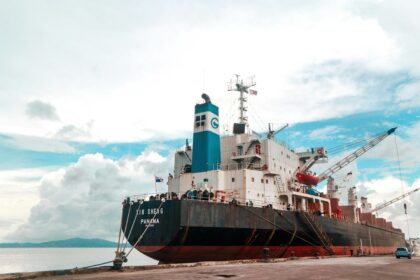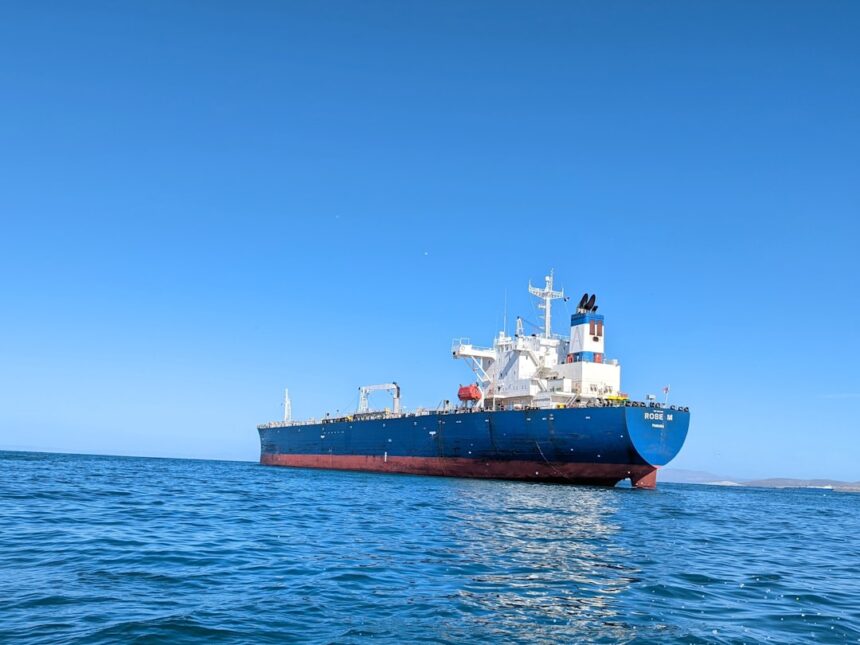
As of August 18, 2026, assessed earnings for supertankers transporting crude oil from the Persian Gulf to Asia have surged, approaching $510,000 per day. This figure marks the highest earnings level observed since late June, coinciding with rising security tensions in the Strait of Hormuz, following Iran’s reported actions against transiting vessels.
The Market Situation
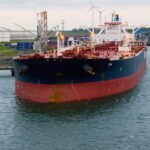
According to the Baltic Exchange, freight rates for the Middle East-to-China route have shown a notable increase, driven by exporters striving to secure more vessels for transporting crude oil amidst a challenging geopolitical climate. The very large crude carrier (VLCC) Mongolia Prosperity is set to load crude from an undisclosed Persian Gulf port, with shipping reports indicating a voyage fee of $31 million, equating to 570 Worldscale points.
Exporting nations like Saudi Arabia and Iraq are actively promoting prompt crude deliveries from within the Gulf, while the Abu Dhabi National Oil Company (ADNOC) efficiently facilitates the transportation of these barrels through the Strait of Hormuz. Exporters often rely on a limited pool of tanker owners and operators, including South Korean firm Sinokor Group, to navigate the increasingly volatile waters.

Geopolitical Dynamics
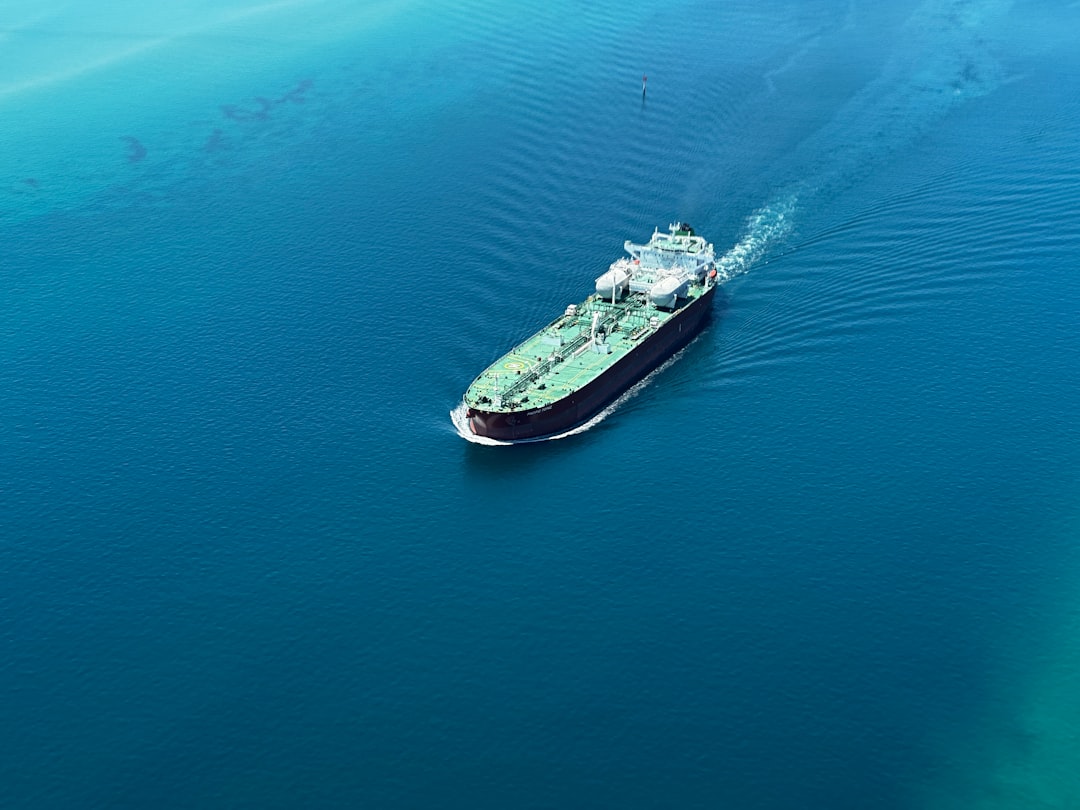
The cessation of a fragile 60-day ceasefire agreement between Iran and the United States has introduced further uncertainties into maritime operations. Both nations have historically contended for authority over the Strait of Hormuz, affecting shipping operations significantly during periods of heightened tension. Consequently, only those shipowners with a high risk tolerance, or substantial experience in navigating these perilous waters, are willing to operate in the region.
Recent reports denote that several supertankers have been privately booked, exiting public availability lists without formal announcements regarding concluded deals. The network of transactions predominantly comprises vessels controlled by exporters, granting them an edge in negotiating competitive rates amid rising demand for crude from Asian markets.
The Operational Read
The upward trend in supertanker earnings reflects a broader market reality where geopolitical tensions shape operational decisions for shipping providers. With the recent geopolitical shifts, the complexities of securing vessel availability and the associated war-risk premiums add layers of financial scrutiny for operators. Shipping firms must weigh the risks meticulously, as volatility surrounding the Strait of Hormuz continues as a backdrop for maritime routes. The next steps for operators will involve close monitoring of regional developments and potential rate adjustments as the demand for crude transport from Asia remains robust.