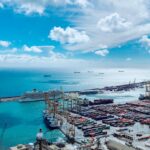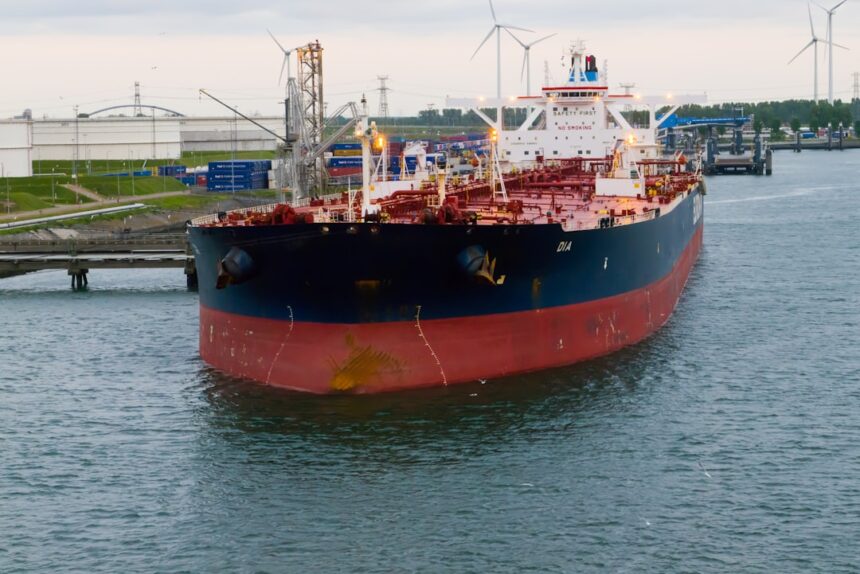
Saudi Aramco has restarted oil loading operations inside the Strait of Hormuz, marking a significant return to activity following a temporary suspension triggered by attacks on its tanker fleet in July. According to shipping data and trade sources, the state energy giant has already commenced spot heavy crude cargo sales to select Asian refiners, offering Arab Medium and Arab Heavy cargoes through ship-to-ship transfers off Fujairah in the UAE.
The Resumption of Operations
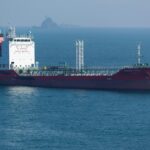
Loading operations took place between August 12 and 16, with three very large crude carriers (VLCCs)—Malaysia Prosperity, Algeria Prosperity, and Singapore Prosperity—each loading 2 million barrels of crude from the Juaymah and Ras Tanura terminals. This activity follows a pause lasting three weeks, highlighting the volatility of the region.
Saudi Aramco is reportedly preparing to deploy additional tanker capacity for future shipments, with six more VLCCs anticipated to load oil within the month. Current estimates suggest that nine VLCCs associated with the Saudi operator Bahri are stationed off the coasts of the UAE and Oman, positioning themselves for imminent loading opportunities.


Challenges to Exports
While the immediate resumption of oil loading is a positive development for global markets, Saudi Arabia’s oil exports remain constrained due to a blockade by Yemeni Houthi forces in the Red Sea. This blockade has forced Aramco to reroute some shipments to the port of Yanbu, with only a fraction of the previously expected volumes being exported. As a result, additional cargo offerings from Egypt’s Mediterranean port of Sidi Kerir are now available, but volumes are significantly reduced compared to pre-blockade levels.
Provisional data indicates that approximately 670,000 barrels per day of Middle Eastern crude is expected to be loaded from Sidi Kerir for Asia this month, a considerable increase from zero in the previous three months. Despite this, trade analysts express concerns that the long voyages and higher freight costs associated with this route are limiting its attractiveness to buyers, particularly in China.
The Operational Read
For operators navigating the Strait of Hormuz, the resumption of loading activities by Saudi Aramco represents a critical lifeline in an otherwise tumultuous market. The transition to ship-to-ship transfers demonstrates a strategic adaptation to regional threats while maintaining export levels. However, the ongoing blockade and reduced capacity from Sidi Kerir emphasize the unpredictability of supply chains in this geopolitically sensitive region. Stakeholders should closely monitor developments as the operational dynamics evolve, particularly regarding the potential impact of pricing and trade flow adjustments due to ongoing logistics challenges.